
Rare Triple Cancer Case Highlights Diagnostic Challenges in Metabolic Risk
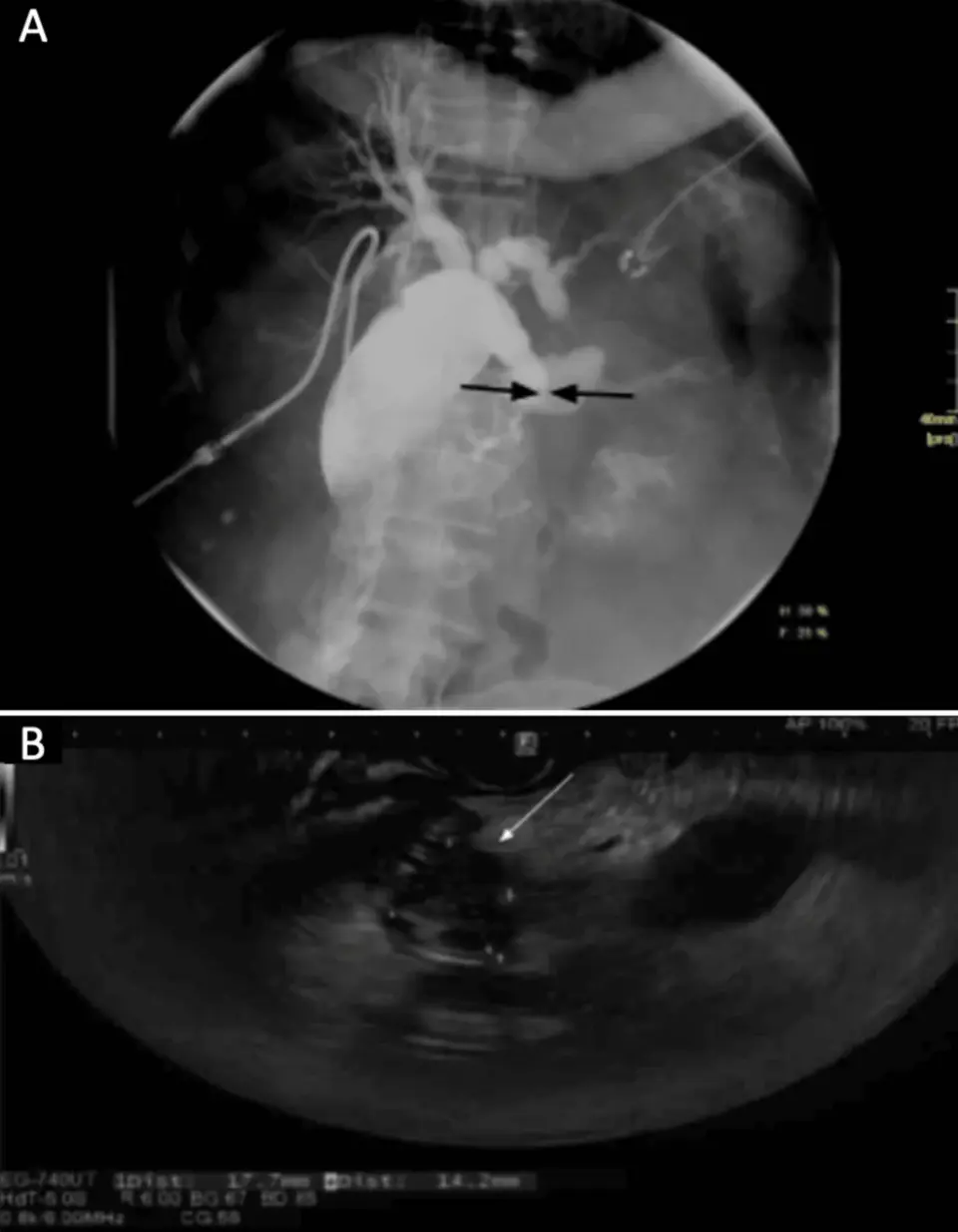
A new case report details a 77-year-old woman who developed three distinct primary cancers—bladder, colorectal, and pancreatic—over several years. The patient, who had severe obesity and type 2 diabetes, died shortly after the diagnosis of her third cancer. While molecular testing suggested the colorectal cancer was sporadic, the combination of tumors raised concerns about hereditary predisposition, though germline testing was not completed before her death.
Key points
- The patient was diagnosed with low-grade bladder urothelial carcinoma in 2020, followed by colonic adenocarcinoma at age 74, and finally a pancreatic head mass in 2026.
- The pancreatic mass was identified as a new primary malignancy rather than a metastasis from her prior colorectal cancer, based on imaging and surveillance results.
- Molecular testing of the colorectal tumor showed MLH1 promoter methylation, indicating sporadic mismatch repair deficiency, but this did not rule out a separate hereditary cancer syndrome.
- The patient had significant metabolic comorbidities, including a BMI over 45 kg/m², insulin-dependent type 2 diabetes, and cirrhosis, which are known risk factors for multiple cancers.
- Germline testing for hereditary conditions like Lynch syndrome was not performed because the pancreatic cancer was diagnosed during her final hospitalization, two weeks before her death.
Background
Triple primary malignancies are rare, occurring in approximately 0.08% of cancer patients according to a 25-year retrospective study. Lynch syndrome, a hereditary condition affecting about 1 in 279 people, significantly increases the risk for colorectal, endometrial, and urinary tract cancers. Recent data shows colorectal cancer has become the second leading cause of cancer death in the US, with rising incidence in younger adults, highlighting the importance of early screening and risk assessment.
Why it matters
This case underscores the complexity of diagnosing multiple primary cancers in patients with significant metabolic risk factors. It highlights the difficulty of reconstructing medical histories across multiple institutions and the critical need for hereditary risk assessment in cancer survivors. The case also emphasizes that sporadic molecular findings do not exclude hereditary predisposition, particularly when multiple primary cancers are present.
What to watch
Further research is needed to determine if this specific combination of bladder, colorectal, and pancreatic cancers represents a reproducible association or shared biological pathways. Clinicians are urged to maintain a low threshold for evaluating new symptoms in cancer survivors with metabolic comorbidities and to pursue germline testing when feasible to clarify risk for patients and their families.
Want the full story? Read the original reporting
Read on Cureus