
UT Austin Researchers Develop Non-Invasive Ultrasound Patch to Enhance REM Sleep
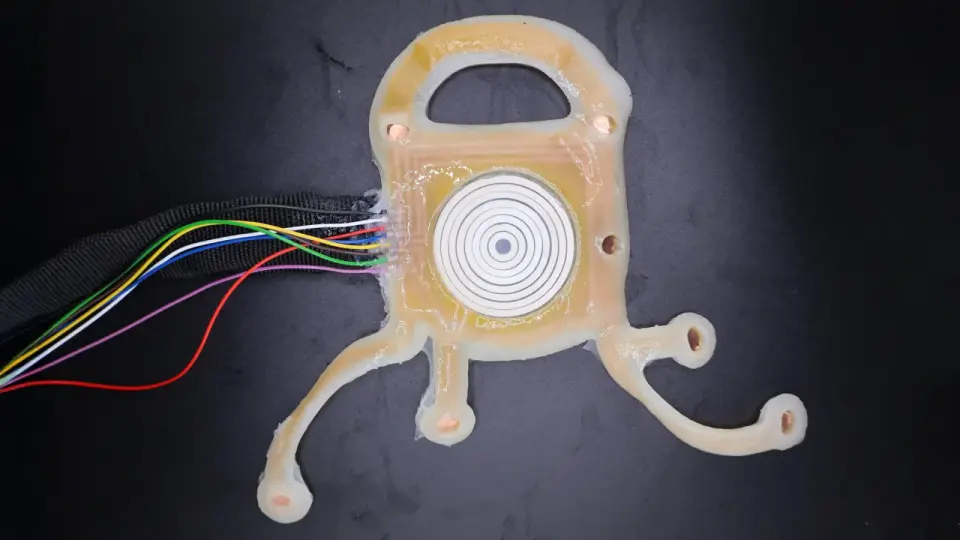
A new wearable patch developed by University of Texas at Austin researchers uses ultrasound to stimulate deep brain regions, significantly increasing REM sleep duration in early trials. The device, named NEUSLeeP, allows for non-invasive monitoring and stimulation without medication or surgery.
Key points
- The NEUSLeeP patch combines ultrasound stimulation with real-time brain activity monitoring to target deep brain regions involved in sleep.
- In a study of 28 participants, users entered REM sleep 43 minutes faster and spent 16 additional minutes in the stage compared to baseline.
- The technology showed potential benefits for stress regulation, including improved heart rate variability and changes in emotional processing neural circuits.
- Researchers plan larger clinical trials to test efficacy for PTSD, depression, and chronic insomnia, noting current results are from a small sample size.
- The team has filed a patent application and is working with UT Austin’s commercialization unit to bring the device to market.
Background
Recent studies have highlighted the critical link between REM sleep and disease risk. A large observational study of nearly 100,000 adults found that greater time in REM sleep is associated with lower risks for conditions like dementia and Parkinson’s disease. Additionally, UK Biobank data linked higher REM time to a reduced risk of 83 health conditions, while short sleep duration increased the risk of joint degeneration. These findings underscore the importance of REM sleep for overall health, providing a backdrop for the development of non-invasive tools to enhance this sleep stage.
Why it matters
Current treatments for sleep disorders often rely on medications that may cause side effects or behavioral therapies that do not directly address biological processes. A non-invasive device that can target specific brain regions for REM enhancement offers a potential alternative for treating sleep disturbances linked to mental health conditions like depression and anxiety. If future trials confirm the early results, this technology could provide a safe, home-based solution for improving restorative sleep and emotional regulation.
What to watch
The research team is preparing for larger clinical trials to verify the consistency and long-term benefits of the NEUSLeeP patch. They intend to investigate its application for patients with PTSD, depression, and chronic insomnia. Additionally, the team is exploring commercialization pathways through UT Austin’s Discovery to Impact unit to make the device available beyond research settings.
Want the full story? Read the original reporting
Read on Science Daily