
Daily Blueberry Consumption Linked to Modest Health Benefits, But No Proven Disease Prevention
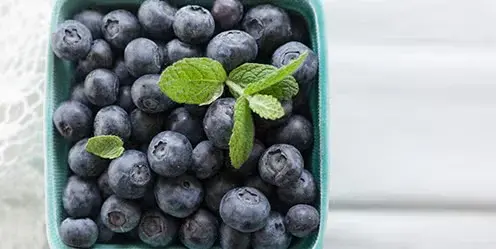
A one-week experiment by Good Housekeeping writer Julie Stewart demonstrates that consuming approximately 150g of blueberries daily is a manageable habit that provides fiber, vitamin C, and anthocyanins. While the berries offer potential benefits for cardiovascular health, cognition, and exercise recovery, experts emphasize that current evidence does not prove they prevent heart disease, diabetes, or cognitive decline. Frozen wild blueberries are noted as a cost-effective alternative with higher anthocyanin density, making daily consumption accessible for most budgets.
Key points
- A single serving of blueberries (approx. 150g or one cup) provides 3.5–4g of fiber, meeting 12–13% of the UK adult daily target of 30g.
- Anthocyanins in blueberries show antioxidant and anti-inflammatory activity in lab studies, with human research suggesting modest support for blood-vessel function.
- A small randomized study involving 10 women found that blueberry smoothies consumed before and after strenuous exercise were associated with faster muscle strength recovery.
- Frozen wild blueberries are often cheaper than fresh ones and contain more anthocyanins per serving due to their smaller size.
- Whole blueberries are suitable for people with diabetes, whereas juices and smoothies lack intact fiber and may be consumed too quickly.
Background
Previous coverage in August 2026 highlighted blueberries as one of seven foods that may help reduce inflammation within 10 days when part of a Mediterranean-style diet. Additionally, that month saw widespread U.S. food recalls, including a blueberry-related E. coli outbreak, underscoring the importance of sourcing safe produce. The current article focuses on the nutritional benefits of daily consumption rather than safety recalls.
Why it matters
Blueberries offer a practical, low-effort method to increase daily fiber and antioxidant intake without significant dietary disruption. While the health claims are often overstated in popular media, the evidence supports their role as a component of a balanced diet rather than a standalone cure for chronic conditions. The affordability of frozen options makes this habit sustainable for a wider demographic.
What to watch
Consumers are encouraged to incorporate blueberries into existing meals, such as oatmeal, yogurt, or smoothies, to boost nutrient intake. Experts recommend maintaining a variety of fiber sources, including wholegrains and vegetables, rather than relying solely on berries. Further large-scale studies are needed to confirm claims regarding exercise recovery and long-term cognitive benefits.
Want the full story? Read the original reporting
Read on Good Housekeeping