
Eggs vs. Oatmeal: Dietitians Weigh In on Heart Health Benefits
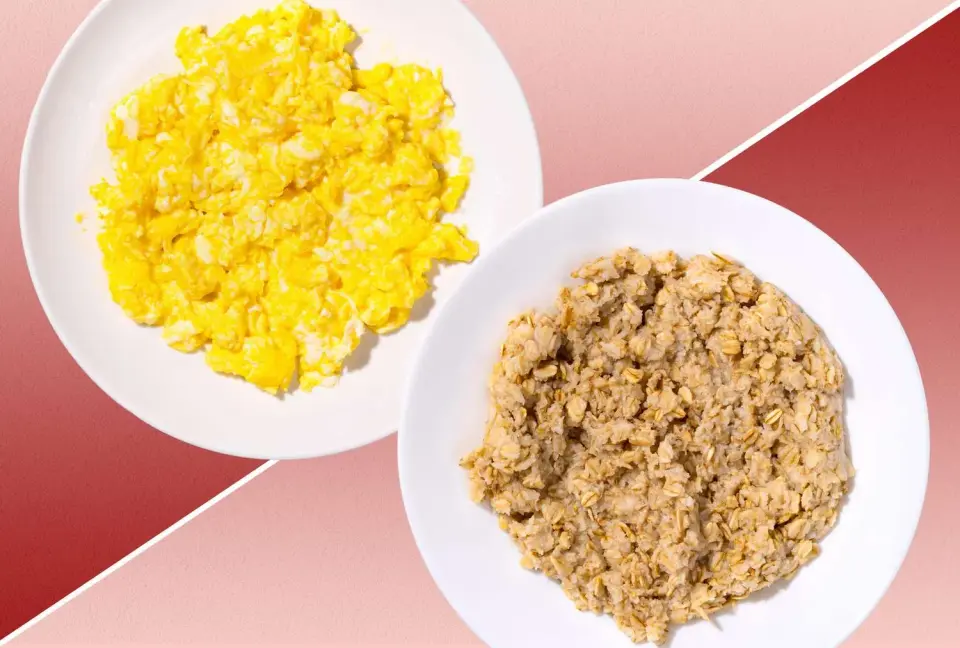
Eggs and oatmeal both support heart health, but oatmeal offers a slight advantage due to its soluble fiber, which directly lowers LDL cholesterol. Eggs provide protein and unsaturated fats but lack fiber. Recent studies suggest eggs do not significantly raise blood cholesterol when consumed as part of a low-saturated-fat diet. Experts recommend combining both foods or pairing them with other heart-healthy options for optimal results.
Key points
- Oatmeal contains beta-glucan, a soluble fiber that binds bile acids and lowers LDL cholesterol, with an FDA health claim supporting this benefit.
- Eggs provide protein and unsaturated fats; recent trials show they do not raise cholesterol when part of a heart-healthy diet low in saturated fat.
- Oatmeal has a slight edge for heart health due to its direct impact on cholesterol, but eggs are valuable for protein and satiety.
- Preparation matters: cooking eggs in olive oil instead of butter and avoiding sugary instant oatmeal improve heart health outcomes.
- Combining eggs and oatmeal, such as whisking egg whites into oats, provides both fiber and protein for a balanced breakfast.
Background
Recent nutrition coverage has emphasized plant-based proteins and fiber-rich foods for overall health. For instance, a 2026 study ranked tofu as a top protein source for sustainability and health, while other articles highlighted Greek yogurt and specific recipes for sleep quality. These trends underscore a broader shift toward balanced, nutrient-dense breakfasts that support long-term well-being, including heart health.
How outlets are covering it
EatingWell and The Washington Post agree that both eggs and oatmeal are heart-healthy but differ in emphasis. EatingWell highlights recent studies showing eggs do not raise cholesterol in a low-saturated-fat diet, while The Washington Post focuses on the complementary roles of the two foods, noting eggs lack fiber and oats lack protein. Both sources stress that preparation methods, such as using olive oil for eggs or avoiding sugary oatmeal, significantly impact health outcomes. Neither outlet suggests one food is superior in all contexts, but both acknowledge oatmeal’s direct cholesterol-lowering effect via beta-glucan.
Why it matters
Heart disease remains the leading cause of death in the U.S., making breakfast choices critical for prevention. Understanding how common foods like eggs and oatmeal affect cholesterol and satiety helps individuals make informed decisions. Oatmeal’s proven ability to lower LDL cholesterol and eggs’ role in providing protein without raising blood cholesterol (in a balanced diet) offer practical, accessible strategies for reducing heart disease risk. These findings challenge older myths about eggs and reinforce the importance of overall dietary patterns over single-food restrictions.
What to watch
Nutrition experts will likely continue to emphasize personalized dietary approaches, considering individual cholesterol levels and health conditions. Future research may explore how combining eggs and oatmeal with other heart-healthy foods, such as vegetables or whole grains, optimizes cardiovascular benefits. Public health campaigns may also focus on practical breakfast tips, such as using olive oil for cooking eggs or choosing plain oats, to help consumers make heart-healthy choices without sacrificing convenience or taste.
- Eggs vs. Oatmeal: Which Breakfast Is Better for Heart Health? EatingWell
- Eggs vs. oatmeal: Which breakfast is better for you? The Washington Post
- Cardiologists Rank 10 Popular Breakfasts From Best to Worst for Your Heart Parade Magazine
Want the full story? Read the original reporting
Read on EatingWell