
Protein Intake Limits: Why More Doesn't Always Mean Better Muscle
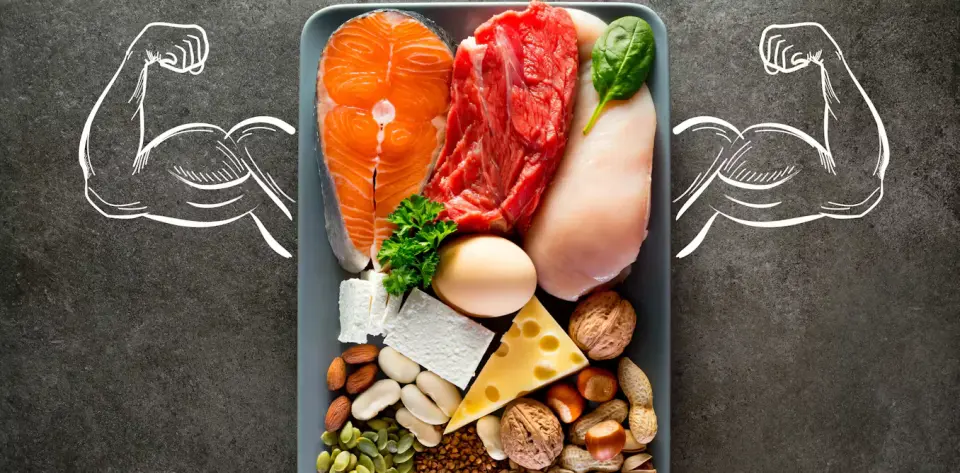
While high-protein diets are popular, evidence shows that simply increasing intake does not guarantee muscle growth without resistance training. For most adults, the UK reference intake is 0.75g per kg daily, though active individuals may benefit from up to 1.6g per kg. Older adults face 'anabolic resistance' and may require 1.0–1.2g per kg to maintain strength. Experts emphasize that protein supplements offer limited benefit if baseline dietary needs are already met, and that exercise remains the primary driver of muscle adaptation. Plant-based diets can also support muscle growth when protein intake is adequate.
Key points
- A review of 49 trials found that protein supplements only improve muscle size and strength when combined with resistance training for at least six weeks.
- Additional protein provides no further gains in fat-free mass once daily intake reaches approximately 1.6g per kg of body weight.
- Older adults experience 'anabolic resistance,' requiring higher protein intake (1.0–1.2g per kg) to achieve the same muscle-building response as younger people.
- A year-long trial showed that protein supplementation alone did not improve muscle strength in older adults, but combined with heavy resistance training, it did.
- Plant-based diets can support muscle growth if total protein intake meets the 1.6g per kg threshold, as shown in a study of 38 young men.
Background
Recent coverage has highlighted that short daily resistance routines can preserve muscle in adults over 40, and that creatine may build muscle without exercise. Additionally, nutritionists have recommended balanced breakfasts with 15–20g of protein to stabilize energy. These earlier reports underscore the ongoing debate about the interplay between nutrition, exercise, and muscle maintenance, particularly for aging populations and those using GLP-1 weight-loss medications.
How outlets are covering it
The Conversation emphasizes that protein is a supporting factor, not a replacement for exercise, and warns against over-supplementation for those already meeting dietary needs. Prevention highlights the 'proteinmaxxing' trend among younger generations, noting that while protein aids weight loss and satiety, excessive focus on it may displace other essential nutrients. BBC Science Focus Magazine contrasts this with older adults, who often under-consume protein due to reduced appetite and anabolic resistance, recommending higher intakes (up to 1.5g per kg) to combat sarcopenia. The Maeil Kyunghae (Korean source) focuses on the quality of protein, advocating for high-DIAAS scores and essential amino acids, particularly for elderly and GLP-1 drug users, rather than just quantity. While The Conversation and Prevention focus on individual dietary needs and the limits of supplementation, BBC and the Korean source stress the critical role of protein quality and age-specific requirements in preventing muscle loss.
Why it matters
Understanding the limits of protein intake helps individuals avoid costly and ineffective supplementation. For older adults, adequate protein combined with exercise is crucial for maintaining independence and preventing frailty. For younger, active individuals, focusing on consistent resistance training rather than excessive protein consumption may yield better results. This distinction is vital for public health strategies aimed at combating sarcopenia and optimizing muscle health across different age groups.
What to watch
Future research may focus on personalized protein recommendations based on age, activity level, and health status. The integration of AI in nutritional analysis, as highlighted by the Korean source, could lead to more precise dietary interventions. Additionally, ongoing studies will likely explore the long-term effects of high-protein diets on various health markers, including heart health and kidney function, to provide more comprehensive guidance for consumers.
- Protein can help build and preserve muscle, but eating more has its limits The Conversation
- How to Get the Right Amount of Protein Your Body Needs Each Day, According to Dietitians Prevention
- 'You need double as you age': Why you’re (probably) eating the wrong amount of protein, according to experts BBC Science Focus Magazine
- The U.S. Dairy Export Council (USDEC) participated in the session under the theme of "The Future of 매일경제
- The great protein panic: are we solving a problem most people don’t have? The Grocer
Want the full story? Read the original reporting
Read on The Conversation