Tag

Resistance Training

All articles tagged with #resistance training

Over-50 Muscle Gains Come From More Than Reps: Add Protein and a Plan
health20 days ago

Over-50 Muscle Gains Come From More Than Reps: Add Protein and a Plan

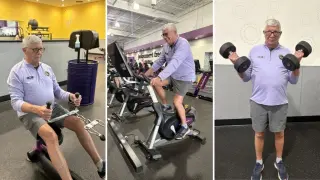
After 50, building muscle isn’t just about lifting; age-related muscle loss (sarcopenia) accelerates with hormonal changes, so combine regular three-day-a-week resistance training with a protein-rich diet (target about 25–30 g per meal). Focus on major muscle groups (legs, back, core), use proper form, include warmups and cooldowns, and progress gradually. A mindset that exercise is long-term health and independence can boost adherence, while nutrition—especially adequate daily protein—helps maintenance and growth as you age.

Consistency Beats Complexity in New Resistance-Training Guidelines
fitness22 days ago

Consistency Beats Complexity in New Resistance-Training Guidelines

ACSM’s Position Stand finds that any resistance training improves strength, function, and health when done consistently, with home-based, bodyweight, and band workouts all viable. Analyzing 137 reviews of over 30,000 adults shows gains across strength, hypertrophy, balance, and daily function versus no exercise; heavier loads boost strength, volume drives hypertrophy, and explosive moves aid power. The core message is to prioritize consistency over complexity—start simple (e.g., two sessions weekly with core movements) and scale up gradually, which also benefits older adults’ bone and muscle health.

Small Gear, Big Bone Boost: Easy Tools to Strengthen Density
health22 days ago

Small Gear, Big Bone Boost: Easy Tools to Strengthen Density

Experts say bone density improves with exercise, with guidance for 30 minutes of daily impact activity, 15–20 minutes of weight/resistance training several times a week, and daily balance work to reduce fracture risk. The HuffPost piece suggests approachable at‑home gear—foam balance pads, weighted vests, mini stair steppers, resistance bands, supportive shoes, walking pads, adjustable dumbbells, and even a pickleball paddle set—to add bone-strengthening loading on a budget. Start gradually with lower resistance, consult a physician, and mix bodyweight and free‑weight routines to boost bone density.

Small Steps, Big Gains: Simple Rules for Strength Training
health26 days ago

Small Steps, Big Gains: Simple Rules for Strength Training

A major update from the American College of Sports Medicine concludes that any amount of resistance training improves muscle strength, size, and physical function. The guidance emphasizes doing resistance training regularly—focusing on all major muscle groups at least twice weekly—over pursuing a perfect, complex program. It also notes you can train effectively without a gym, using bands, bodyweight, or simple home routines, making consistency and enjoyment key to long-term success.

Strength Training: The Essential Habit for Aging Well—and How to Start
health29 days ago

Strength Training: The Essential Habit for Aging Well—and How to Start

Strength training is essential for aging well and can be started at any age; it counteracts age-related muscle and bone loss and boosts mobility, independence and metabolic health. Start with 2–3 sessions per week, target major muscle groups, begin with bodyweight or resistance bands, and progress gradually with overload while maintaining proper form and recovery, alongside regular aerobic activity. If you have medical conditions, consult a clinician or a certified trainer for safe guidance.

Walking is a health foundation: boosts fat loss and brain health, with limited muscle gains
health29 days ago

Walking is a health foundation: boosts fat loss and brain health, with limited muscle gains

Walking is a foundational, low‑impact activity that increases energy use and supports brain health and stress reduction; it does not significantly add muscle size, though very low step counts can reduce muscle protein synthesis and leg lean mass, while pairing walking with resistance training helps maintain muscle. For fat loss, walking can contribute, especially when you increase pace, incline, or add load via rucking. Walking is best seen as Zone 2 cardio and a foundation for overall health, with bigger gains achieved by combining strength work, higher-intensity cardio, and flexibility work.

Walking Boosts Endurance, Not Size: How to Actually Build Muscle
health1 month ago

Walking Boosts Endurance, Not Size: How to Actually Build Muscle

Walking improves aerobic fitness and can help prevent age-related muscle loss, but it isn’t a reliable way to meaningfully increase muscle mass. To build SIZE you need progressive resistance training; walking primarily engages slow-twitch fibers. You can raise the muscle-strengthening potential of walking by adding incline, resistance (weighted vests/rucking), and short strength bursts or HIIT, plus varied terrain, but don’t skip dedicated resistance training at least a couple days a week.

How heavy should your weights be? The science of sustainable lifting
wellbeing-and-fitness1 month ago

How heavy should your weights be? The science of sustainable lifting

Experts say “heavy” is relative—roughly 80% of your max for six to eight reps with good form—yet the real health payoff comes from consistency and reps over chasing maximal loads. For beginners or older adults, heavier loading can yield larger gains in strength and bone density, while also improving insulin sensitivity; endurance athletes may gain power without gaining weight. But heavy lifting also increases recovery demands, joint strain, and potentially cardiovascular risk for those with heart disease. The take-home: use manageable, challenging loads, prioritize technique and full range of motion, and stay consistent rather than chasing heroic lifts.

Weightlifting Outshines Running for Diabetes Prevention in Mice, Study Finds
health2 months ago

Weightlifting Outshines Running for Diabetes Prevention in Mice, Study Finds

Virginia Tech researchers report in a high-fat-diet mouse model that resistance training (weightlifting) reduces abdominal and visceral fat, improves glucose tolerance, and enhances insulin sensitivity more than voluntary running, though both exercise types help; the findings suggest combining endurance and resistance training for the strongest protection against obesity and type 2 diabetes.

Heavy Weights vs. High Reps: Which Is More Effective?
health3 months ago

Heavy Weights vs. High Reps: Which Is More Effective?

Research shows that lifting lighter weights to near failure can produce similar muscle growth as lifting heavier weights, emphasizing the importance of proximity to failure over the weight itself. The traditional focus on specific rep ranges for strength or hypertrophy is being reconsidered, with progressive overload—whether through more reps or increased difficulty—being key to gains. Avoiding 'junk volume' and pushing close to failure are crucial for effective training.