
Review Suggests Protein Restriction May Extend Lifespan for Sedentary Adults
A comprehensive review of over 350 studies suggests that reducing protein intake, rather than increasing it, may improve metabolic health and extend lifespan for sedentary individuals. While high protein intake benefits active people, excess protein in inactive adults may drive aging-related diseases via specific amino acids and hormonal pathways.
Key points
- A review published in Cell Press Blue analyzes 350+ studies, finding that protein restriction slows aging by improving metabolism and reducing cellular damage.
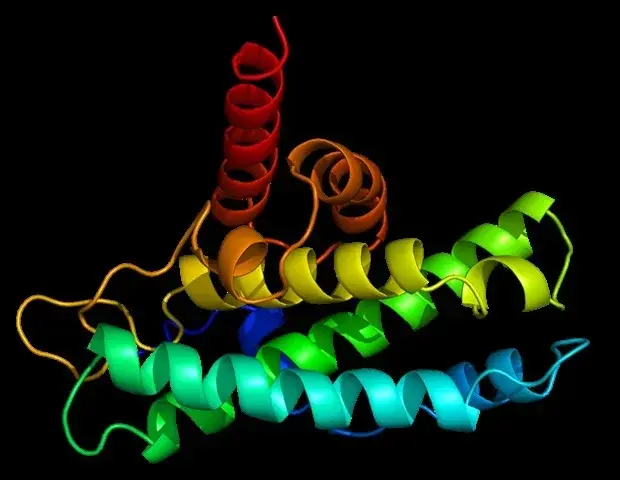
- The hormone FGF21, which rises when protein intake is low, increases energy expenditure and improves blood sugar control, potentially extending lifespan in male mice by 23%.
- Specific amino acids like valine, methionine, and isoleucine are linked to negative health outcomes when consumed in excess, particularly in sedentary populations.
- US dietary guidelines recently increased protein recommendations to 1.2–1.6 g/kg/day, but experts argue this may not benefit inactive adults and could have negative consequences.
- Active individuals and older adults at risk of muscle loss may still require higher protein intake, suggesting personalized dietary advice is necessary.
Background
This debate occurs amid a growing global 'healthspan gap,' where people live longer but spend more years in poor health. Recent US dietary guidelines updated protein recommendations to 1.2–1.6 g/kg/day, a shift that has been scrutinized for lacking universal evidence across all populations. Previous research also indicated that low protein intake can attenuate the benefits of osteoporosis treatments, highlighting the complexity of protein's role in aging.
How outlets are covering it
News-Medical and ABC News emphasize the potential harms of excess protein for sedentary adults, citing Lamming’s view that most people consume more than they need. New Scientist highlights the limitations of animal studies, noting that rodent metabolism differs from humans, and points to Donald Layman’s argument that higher protein may reduce frailty in humans. Nature provides specific data on valine restriction in mice, showing sex-specific benefits, while acknowledging that human translation remains uncertain. The sources generally agree that protein needs are highly individualized, but they differ on whether the current trend toward higher protein intake is beneficial or harmful for the average inactive adult.
Why it matters
As protein-fortified foods become ubiquitous, understanding the optimal intake for longevity is crucial. If excess protein accelerates aging in sedentary populations, current dietary trends may be counterproductive. This research suggests that public health advice should move beyond one-size-fits-all recommendations and consider activity levels and individual metabolic responses to protein.
What to watch
Researchers are planning human trials to test if drugs that deplete specific amino acids like valine can improve metabolic outcomes. Future dietary guidelines may need to incorporate activity levels and individual health markers to determine optimal protein intake, moving away from universal recommendations.
- Consuming less protein could have greater health benefits and extend lifespan News-Medical
- Study suggests eating less protein could be key to healthy aging for most adults ABC News - Breaking News, Latest News and Videos
- Could eating less protein slow ageing? New Scientist
- Lifelong restriction of dietary valine has sex-specific benefits for health and lifespan in mice Nature
- Why eating too much protein could shorten your life The Telegraph
Want the full story? Read the original reporting
Read on News-Medical