
The Protein Craze: A $90 Billion Market Faced With Scientific Skepticism
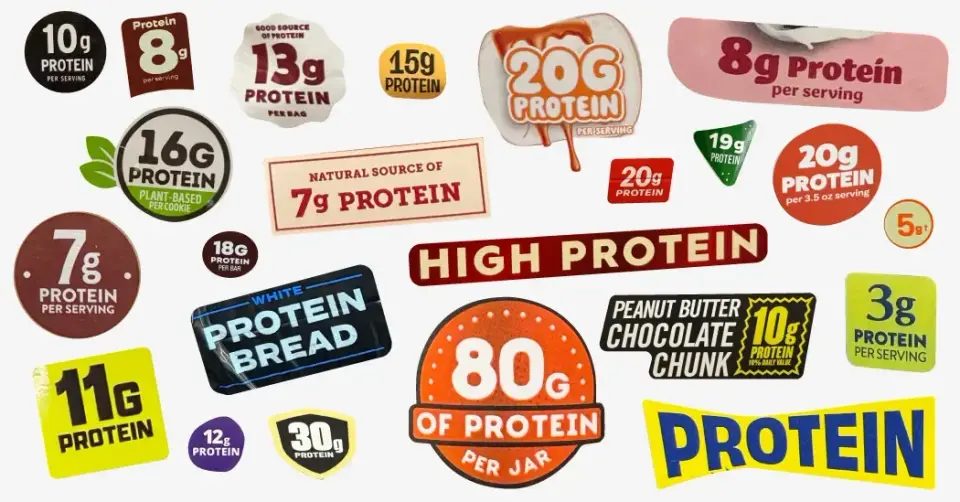
The U.S. food industry has aggressively expanded protein-infused products, driven by new federal dietary guidelines that increased recommended intake by over 50%. While consumer spending on protein-labeled items reached $90 billion last year, experts warn that adding protein to processed snacks offers no health benefits and may pose risks.
Key points
- Federal dietary guidelines released last year increased recommended protein intake by more than 50%, urging Americans to prioritize protein at every meal.
- Consumer spending on products with protein claims reached $90 billion over the past year, including $2 billion on protein pizzas and $35 million on protein toaster pastries.
- Whey prices have doubled in five years due to surging demand, benefiting cheesemakers who previously treated it as a waste product.
- Nutritionists warn that adding protein to processed snacks is 'fairy dust' and does not improve health, while excessive animal protein intake may increase risks for Type 2 diabetes and heart disease.
- Nearly 90% of Americans already meet their daily protein needs, yet sales of protein-enhanced cereals and granola have risen by 15%.
Background
This trend follows the release of new U.S. dietary guidelines last year, which significantly raised protein recommendations. The shift has prompted a rapid response from the food industry, which has reformulated existing products and created new categories to capitalize on the demand.
How outlets are covering it
The New York Times highlights the commercial explosion of protein products, noting that 37,232 items now carry protein claims and that marketing tactics have shifted to bold, unregulated font sizes to attract consumers. In contrast, abc17news emphasizes the medical skepticism surrounding the trend. University of Missouri Health Care doctor Bettina Mittendorfer argues there is no evidence that excessive protein intake builds muscle or improves strength, and warns that high animal protein consumption is linked to greater risks of heart disease and Type 2 diabetes. While the Times focuses on the marketing and consumer behavior driving the $90 billion market, abc17news centers on the potential health risks and the lack of scientific backing for the 'protein maxxing' trend.
Why it matters
The protein craze represents a significant shift in American dietary habits and consumer spending, driven by federal policy and aggressive marketing. However, the disconnect between commercial claims and nutritional science raises concerns about public health, as consumers may be replacing balanced diets with processed products that offer no additional health benefits and could increase disease risks.
What to watch
Industry experts suggest that fiber may be the next major nutritional trend, potentially replacing protein as the focus of food marketing. The long-term impact of the protein craze on public health and the dairy industry will depend on whether consumer demand sustains the current surge in whey prices and processed snack sales.
- How Supermarkets Became Protein-Maxxed The New York Times
- The great protein paradox: Why recent longevity research is confusing The Seattle Times
- Protein in Every Food The New York Times
- Doctor says ‘protein maxxing’ short on real health benefits abc17news.com
- Eating a High-Protein Diet May Have a Surprising Downside, Registered Dietitian Warns parade.com
Want the full story? Read the original reporting
Read on The New York Times