
VA Launches Nationwide Trial to Test Ozempic for Veteran Alcohol Use Disorder
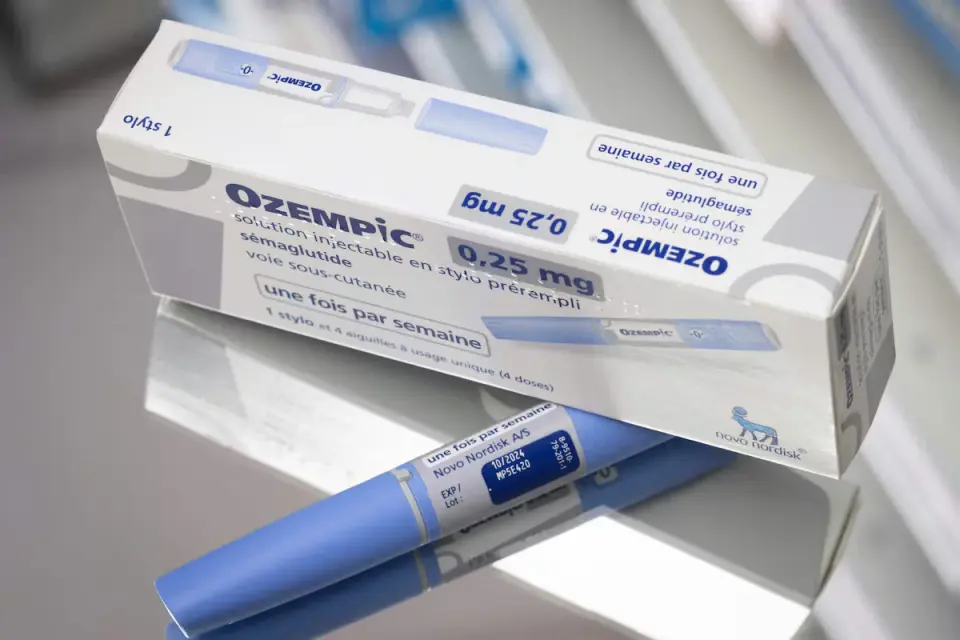
The Department of Veterans Affairs is initiating a large-scale clinical trial to evaluate whether semaglutide, a GLP-1 receptor agonist approved for diabetes and weight loss, can effectively treat alcohol use disorder in veterans. The study, known as CRAVE, will enroll over 600 participants across 18 medical centers to assess safety and efficacy. While preliminary research suggests these drugs may reduce cravings and consumption, the VA emphasizes that they are not yet approved for this purpose and should not replace existing treatments without medical guidance.
Key points
- The VA is launching the Cessation or Reduction of Alcohol Consumption in Veterans (CRAVE) trial to test semaglutide for alcohol use disorder.
- The trial will recruit more than 600 veterans aged 18 to 80 at 18 VA medical centers nationwide.
- Participants will receive weekly injections of either semaglutide or a placebo for 24 weeks, followed by a safety evaluation.
- VA Secretary Doug Collins stated the trial aims to expand treatment options for veterans, noting that over 400,000 veterans have been diagnosed with alcohol use disorder.
- The VA cautioned against self-medication, stressing that GLP-1 drugs are not FDA-approved for alcohol use disorder and should not replace evidence-based treatments.
Background
Recent archive coverage highlights growing interest in GLP-1 medications for addiction. A July 2026 study indicated that oral semaglutide reduced heavy drinking days in a small trial, though larger studies are needed. Earlier reports noted that GLP-1s may dampen reward-driven cravings, but questions remain regarding long-term efficacy, optimal dosing, and whether benefits persist after discontinuation. The current VA trial represents a significant step toward validating these early signals in a veteran population, which faces higher rates of alcohol use disorder compared to the general public.
How outlets are covering it
Military Times and ABC News both report on the VA’s launch of the CRAVE trial, confirming the enrollment of over 600 veterans at 18 centers. However, they differ on the trial duration: Military Times states the injection period is 24 weeks, while ABC News reports 28 weeks. Komo News aligns with Military Times on the 24-week timeline and emphasizes the VA Secretary’s statement on expanding care tools. UCHealth provides broader context, citing a separate University of Colorado study where oral semaglutide cut alcohol consumption by half in moderate drinkers, highlighting that while GLP-1s may not ensure total abstinence, they can help with moderation. All sources agree that while early results are promising, the drugs are not yet approved for alcohol use disorder and require further controlled trials to confirm safety and long-term effectiveness.
Why it matters
This trial addresses a critical public health issue affecting over 400,000 veterans, offering potential new treatment options for a condition with limited effective medications since 2006. If successful, semaglutide could provide a viable alternative for veterans who cannot take naltrexone due to liver disease, potentially reducing healthcare costs and improving quality of life. The outcome will influence future FDA approval decisions and clinical guidelines for treating substance use disorders in the veteran population.
What to watch
Recruitment for the CRAVE trial began on July 28, 2026. Veterans interested in participating can contact their local VA medical center or search for the trial on ClinicalTrials.gov. Researchers will monitor changes in alcohol consumption, overall health, and quality of life over the trial period. The VA has urged veterans to consult healthcare providers before considering GLP-1 medications for alcohol use disorder, as the drug is not yet approved for this indication.
- VA launches trial to test GLP-1 medication for alcohol use disorder in veterans Military Times
- VA to run trial of GLP-1 drug to treat alcohol abuse ABC News - Breaking News, Latest News and Videos
- VA announces launch of GLP-1 treatment to help veterans struggling with alcohol komonews.com
- GLP-1 weight-loss drugs may cut drinking and alcohol cravings, new study finds UCHealth
- The Drug Behind Ozempic And Wegovy Pills May Also Treat Alcohol Use Disorder, New Trial Finds forbes.com
Want the full story? Read the original reporting
Read on Military Times