The Department of Veterans Affairs is set to raise disability compensation by 3.6% in 2027, matching the Social Security cost-of-living adjustment. This increase, the largest in four years, will automatically apply to over 6 million veterans without requiring new claims, though it must first be approved by Congress.
A San Diego family of three, including a 13-year-old girl, was found dead from gunshot wounds in their Lake Murray home on Wednesday. The victims were identified as David Voight, 56, Amy Voight, 54, and their daughter Mya, 13. Police recovered a firearm at the scene. The father’s father stated the couple had sought mental health services at a Veterans Affairs facility the day before but were turned away. Autopsies are pending to confirm the cause and manner of death.
David Voight, 56, Amy Voight, 54, and their 13-year-old daughter Mya were found dead from gunshot wounds in their Lake Murray home on Wednesday. A neighbor discovered the bodies after hearing noises the previous night. The victim’s father claims the veteran husband was denied mental health care at a VA facility the day before the deaths. Police describe the incident as isolated, while the VA disputes the claim of inadequate service.
The House Veterans’ Affairs Committee has subpoenaed Oracle co-founder Larry Ellison and CEO Mike Sicilia to testify regarding the Department of Veterans Affairs (VA) electronic health record modernization program. The project, which began in 2017, has seen its estimated cost balloon from $10 billion to $27 billion, with completion now delayed until 2031. While VA officials claim the new schedule is on track, the Government Accountability Office (GAO) notes that 14 of 18 prior recommendations for improving the program remain unaddressed. The subpoena follows a contentious hearing where Oracle executives declined to appear, prompting bipartisan frustration over the project’s management and rising costs.
Congress is failing to pass a 70-year-old law that cuts off survivor benefits for military widows who remarry before age 55. While 179 House members and 60 senators support the 'Love Lives On Act,' the measure is stalled by a broader dispute over funding. Republicans want to offset costs by limiting disability payments for sleep apnea and tinnitus, a move Democrats and veteran groups oppose. With a mid-September vote approaching, advocates warn this may be the final chance to fix the issue in this legislative session.
The Department of Veterans Affairs has started a clinical trial to evaluate whether GLP-1 medications like semaglutide, approved for diabetes and weight loss, can reduce alcohol use in veterans, building on evidence these drugs may also dampen addictive urges beyond food cravings.
The Take Care of America's Veterans Act, which would expand retirement and survivor benefits (including the Star Act) and be funded by changes to VA disability ratings, has become a wedge issue in the veteran community and among House Republicans, with Democrats opposing offsets and several GOP members signaling opposition, threatening a floor vote and potentially delaying a broader veterans policy agenda. The Star Act would boost retirement payouts for about 50,000 combat-wounded veterans at an estimated $13 billion over ten years, financed by roughly $57 billion in savings from limiting new disability payouts for tinnitus and sleep apnea. Veterans groups like VFW and DAV oppose using disability benefits as budget offsets, while others push forward, creating a sharp intra-party split even as rallying support continues.
A federal judge in Rhode Island ordered the Department of Veterans Affairs to reinstate a three-year union contract covering more than 300,000 workers, ruling that terminating the agreement was retaliatory and likely violated the First Amendment; the contract, ratified in 2023, must be restored for the remainder of its term.
The Department of Veterans Affairs will not enforce a newly published interim rule that would base disability ratings on functional status while on medications, halting enforcement after widespread backlash; the rule—aimed at adjusting benefits and published in the Federal Register—drew fierce criticism from the VFW and lawmakers who warned it could penalize veterans who follow doctors’ orders, including concerns about psychiatric medications, and a lawsuit has been filed to block it.
The Trump administration proposed a rule to restrict abortion access at VA hospitals, reversing a Biden-era policy that allowed abortions in certain circumstances, including rape, incest, or health threats, following the Supreme Court's decision to overturn federal abortion rights.
The Department of Veterans Affairs initially planned to cut 83,000 employees to save $8.3 billion but has since abandoned the department-wide layoffs, instead opting to eliminate 30,000 positions mainly through attrition by the end of fiscal 2025, citing safeguards to prevent impact on veteran care.
Sahil Lavingia, a former associate of the Department of Government Efficiency (DOGE) and CEO of Gumroad, was dismissed after discussing his work at the VA and DOGE in a blog post and an interview. He highlighted limited progress in improving VA services and criticized DOGE's culture and effectiveness, noting that his efforts to implement AI and streamline processes were limited and that DOGE lacked real authority. His departure underscores ongoing challenges in government tech modernization efforts.
The Department of Veterans Affairs plans to cut its workforce by 15%, or about 83,000 employees, causing significant concern among staff, veterans, and advocates due to fears of reduced care and benefits, despite assurances that front-line workers will be protected.
The House has passed the Sen. Elizabeth Dole 21st Century Veterans Health Care and Benefits Improvement Act, a bipartisan bill aimed at reforming the Department of Veterans Affairs' healthcare delivery. Key provisions include expanded pay flexibility for VA healthcare workers, strategic staffing models, and a focus on value-based care. The bill also reauthorizes the VET-TEC program and enhances services for aging and disabled veterans. However, it omits the RESET Act, which sought to address issues with the VA's troubled Oracle-Cerner EHR system rollout.
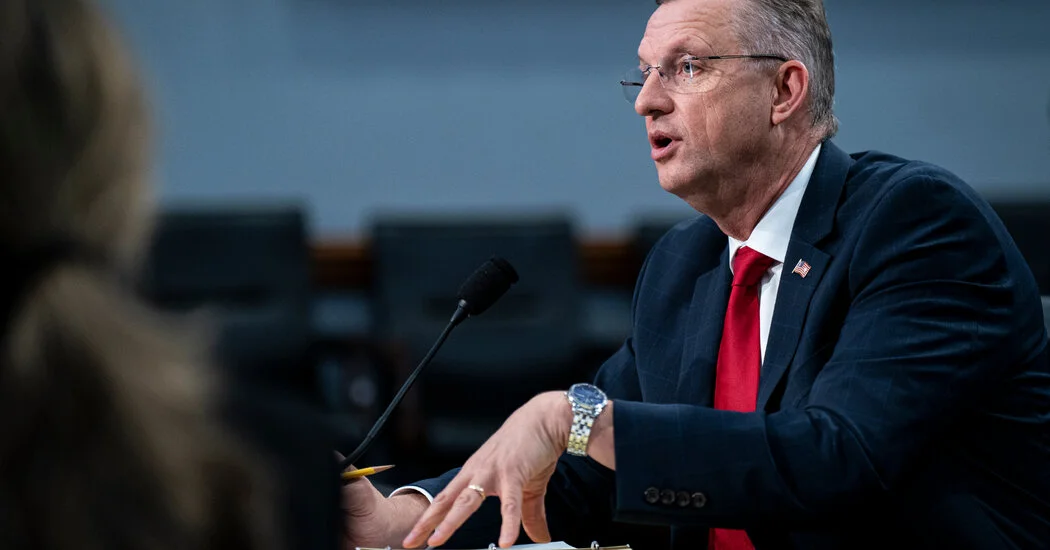
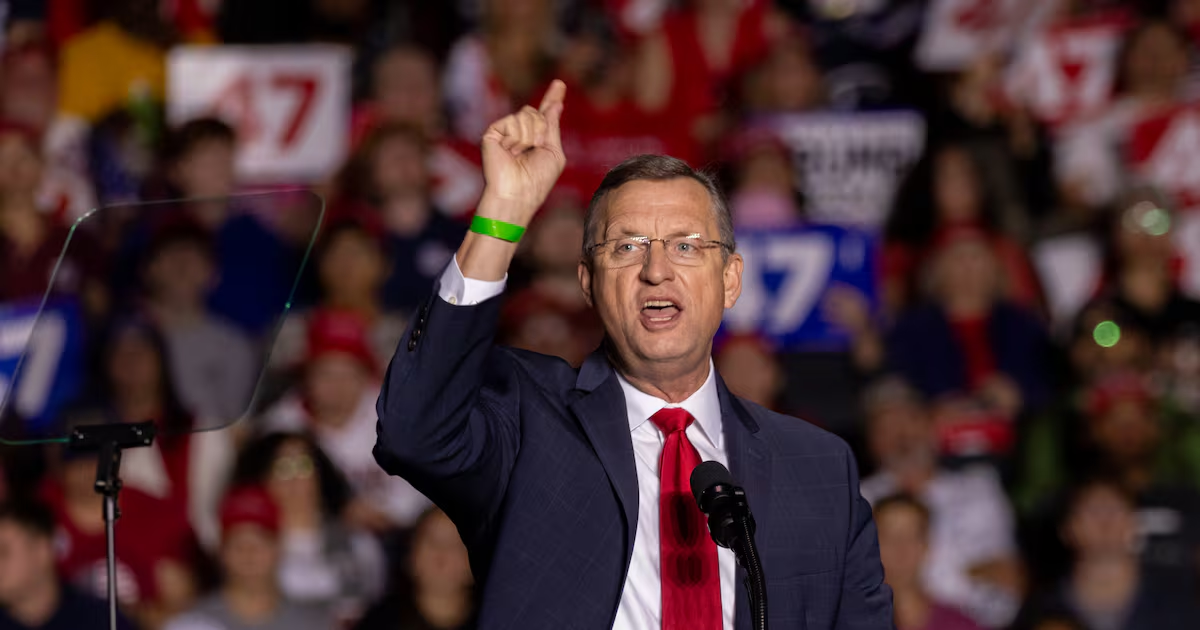
President-elect Donald Trump has nominated former U.S. Representative Doug Collins to lead the Department of Veterans Affairs. Collins, a close ally of Trump and a former Air Force chaplain, is known for his staunch defense of Trump during impeachment hearings and his conservative record in Congress. If confirmed, Collins will oversee an agency responsible for the care of 8.3 million veterans. His nomination is seen as noncontroversial, with supporters highlighting his military background and commitment to veterans' issues.