A phase 2b trial led by University of California, San Francisco researchers found that a standardized kudzu extract reduced binge-drinking days among adults with alcohol use disorder. The benefit persisted three months after treatment ended, offering a potential low-cost alternative to daily medication for a condition affecting millions.
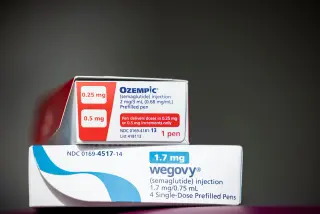
Emerging clinical data and anecdotal reports suggest that GLP-1 medications, primarily used for weight loss and diabetes, may significantly reduce alcohol cravings and consumption for some patients with Alcohol Use Disorder (AUD). While the FDA has not yet approved these drugs for AUD, clinicians are observing that they can diminish the compulsion to drink, often leading to harm reduction rather than total abstinence. Recent trials, including studies in JAMA Psychiatry and The Lancet, show mixed but promising results, particularly for patients with comorbid obesity. However, experts caution that these drugs are not a universal cure, carry risks of alcohol withdrawal for heavy drinkers, and should not replace established first-line treatments like naltrexone.
A new study in Addiction Neuroscience reveals that chronic alcohol consumption may mask the distinct brain structural changes caused by childhood trauma. While early adversity alters gray matter volume and cortical folding in healthy adults, these specific markers disappear in individuals with alcohol use disorder. Researchers suggest that the severe tissue loss from heavy drinking overwrites or obscures the earlier neurodevelopmental impacts of trauma, complicating the diagnosis of childhood adversity in addicted populations.
A Cleveland Clinic study reveals that alcohol causes brain damage by activating microglia to dismantle the extracellular matrix, a structural scaffold supporting neurons. This process, driven by the MyD88 protein, leads to sedation and neuronal loss, offering a new therapeutic target.
A new review in Biological Psychiatry suggests that GLP-1 receptor agonists, such as semaglutide, may help reduce heavy drinking days and overall alcohol intake for some individuals. However, the evidence is inconsistent regarding whether these drugs effectively reduce alcohol cravings. While clinical trials show promising results for reducing consumption, particularly in people with obesity, the data does not yet confirm a direct link to reduced cravings or establish the drugs as a standard treatment for alcohol use disorder.
The definition of recovery from alcohol use disorder (AUD) has evolved from a strict abstinence model to a spectrum that includes moderate drinking. While abstinence remains the most effective path for most, recent medical frameworks allow for non-abstinent recovery if heavy drinking ceases and health improves.
A new study reveals that the brain's ability to process acetate, a secondary fuel source, drops sharply during early alcohol withdrawal but recovers significantly within one month. Researchers found that heavy drinkers' brains adapt to constant acetate exposure, but this adaptation is highly reversible. While early abstinence shows a 64% decrease in acetate oxidation, levels normalize to those of light drinkers after 30 days, suggesting rapid metabolic recovery from alcohol dependence.
New research from UMass Chan Medical School indicates that forced alcohol abstinence in mice leads to increased activity in the bed nucleus of the stria terminalis (BNST), a brain region linked to anxiety and depression. This heightened activity precedes compulsive drinking behavior, suggesting that abstinence itself may alter brain chemistry in ways that increase relapse risk. The findings point to potential new screening methods to identify individuals vulnerable to relapse.
The U.S. Department of Veterans Affairs is launching a major clinical trial to determine if semaglutide, a GLP-1 medication primarily known for weight loss and diabetes treatment, can effectively treat alcohol use disorder. The study aims to provide definitive evidence to the FDA to expand the drug's official label, potentially making it a first-line treatment in primary care settings.
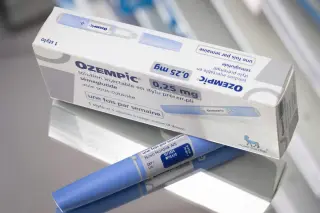
GLP-1 weight-loss drugs like Ozempic and Mounjaro are reducing alcohol consumption for many users, a side effect now being studied as a potential treatment for alcohol use disorder. While some patients welcome the reduced cravings, others report nausea or social isolation. New research identifies the lateral septum in the brain as the mechanism behind this effect.
Research indicates that the brain can partially recover from alcohol-induced damage after reducing or stopping consumption. While chronic drinking shrinks gray matter and impairs executive function, abstinence or significant reduction can restore cognitive abilities like memory and attention within six to 12 months. Experts emphasize that neuroplasticity allows for structural and functional improvements, though full recovery from severe alcohol use disorder remains uncertain.
A new analysis by The Washington Post indicates that while alcohol consumption causes brain harm even at low levels, the brain possesses a significant capacity for recovery when drinking stops or is reduced. The article highlights that cessation can reverse certain negative effects, offering a potential path to improved cognitive health for those who quit.
The Department of Veterans Affairs (VA) has launched the CRAVE clinical trial to determine if semaglutide, a GLP-1 receptor agonist approved for diabetes and weight loss, can effectively treat alcohol use disorder (AUD) in veterans. The study aims to enroll over 600 participants aged 18 to 80 across 18 VA medical centers. Participants will receive weekly injections of either semaglutide or a placebo for 24 to 28 weeks, with researchers monitoring changes in drinking behavior, overall health, and quality of life. VA Secretary Doug Collins stated that the trial seeks to expand treatment options for veterans, a group where AUD prevalence is estimated at 14%, higher than the general population. While early research suggests GLP-1s may reduce cravings and substance use, the VA cautioned that semaglutide is not FDA-approved for AUD and warned against self-medication.
The Department of Veterans Affairs is initiating a clinical trial to assess if GLP-1 receptor agonists can assist veterans with alcohol use disorder. The study, titled Cessation or Reduction of Alcohol Consumption in Veterans, will enroll 600 participants aged 18 to 80 across 18 medical centers. Recruitment starts July 28, 2026, with the goal of evaluating whether these medications, currently used for diabetes and obesity, can reduce drinking and improve quality of life.
The Department of Veterans Affairs is initiating a large-scale clinical trial to evaluate whether semaglutide, a GLP-1 receptor agonist approved for diabetes and weight loss, can effectively treat alcohol use disorder in veterans. The study, known as CRAVE, will enroll over 600 participants across 18 medical centers to assess safety and efficacy. While preliminary research suggests these drugs may reduce cravings and consumption, the VA emphasizes that they are not yet approved for this purpose and should not replace existing treatments without medical guidance.