
Yosemite delays rabies alert for Curry Village bat by three months, sparking public outrage
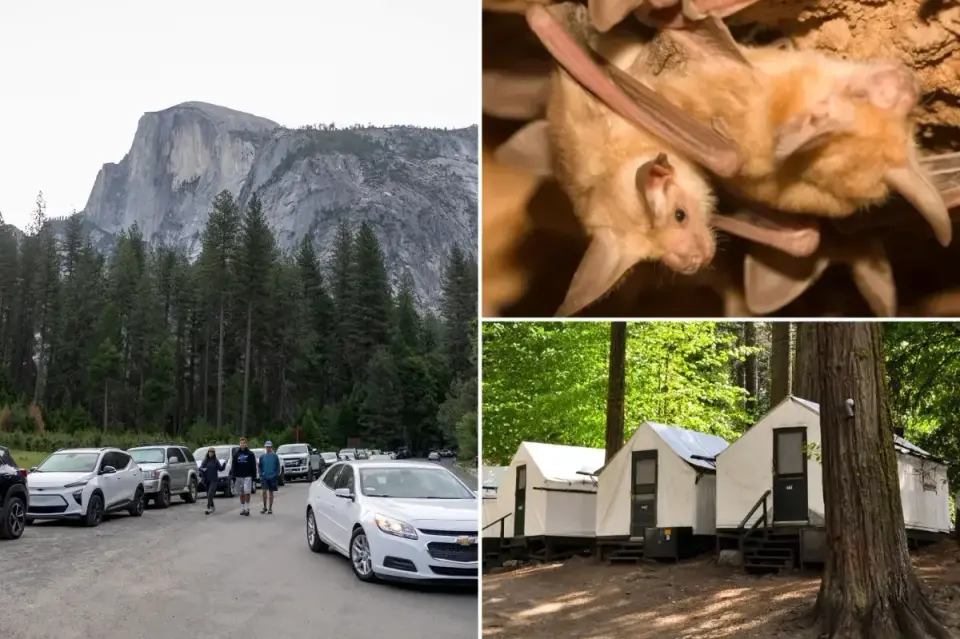
Yosemite officials waited three months to publicly disclose that a bat found dead in May tested positive for rabies, prompting visitor anger over the delayed warning. No human contact is confirmed, but authorities urge anyone with exposure to seek immediate medical advice.
Key points
- A big brown bat found dead outside the Curry Village Showerhouse on May 18, 2026, tested positive for rabies.
- The National Park Service did not publicly announce the positive result until September 2, 2026, via a Facebook post.
- No known human contact with the bat has been reported by park officials.
- The park urges anyone who had direct contact with a bat in the Curry Village area around May 18 to contact the California Department of Public Health immediately.
- Rabies is almost always fatal without prompt treatment, and symptoms can appear within days to weeks of exposure.
Background
This incident follows a pattern of rabies alerts in national parks, including cases in Olympic National Park and Michigan in 2026. Yosemite had its last rabies-positive bat in July 2025. The park is home to 17 bat species, and routine testing of deceased bats is standard practice to monitor wildlife disease circulation.
How outlets are covering it
The California Post and Fresno Bee highlight the public's frustration over the three-month delay in disclosing the rabies case, with visitors questioning the viability of treatment for those exposed in May. KMPH emphasizes the health advisory, clarifying that direct contact includes wing brushes or contact on clothing, and stresses the importance of prompt medical evaluation. All sources agree that no human contact is confirmed, but they differ in tone: the California Post focuses on the outrage over the delayed notification, while KMPH and Fresno Bee focus on the public health guidance and preventive measures.
Why it matters
The delayed disclosure raises concerns about public health communication in national parks. Rabies is nearly 100% fatal once symptoms appear, making timely exposure warnings critical. The incident underscores the need for transparent and rapid communication of wildlife health risks to protect visitors and staff.
What to watch
The National Park Service and California Department of Public Health will continue monitoring for any reported exposures. Visitors are advised to report any bat contact and avoid handling wild animals. The park will likely review its communication protocols to ensure faster public alerts in the future.
- Yosemite visitors rage after rabies case revealed months after infected bat found dead at famed camp New York Post
- Bat found at Yosemite campground tests positive for deadly disease. What to know Fresno Bee
- 2 rabies-infected bats were found in Yosemite in 1 year, NPS confirms YourCentralValley.com
- Yosemite asked why rabies case took ‘nearly 4 months for you to notify the public?’ fox5sandiego.com
- Visitors urged to report any bat contact after rabies case near Curry Village kmph.com
Want the full story? Read the original reporting
Read on New York Post