
New Study Suggests Human Brain Formed from Two Distinct Nervous Systems
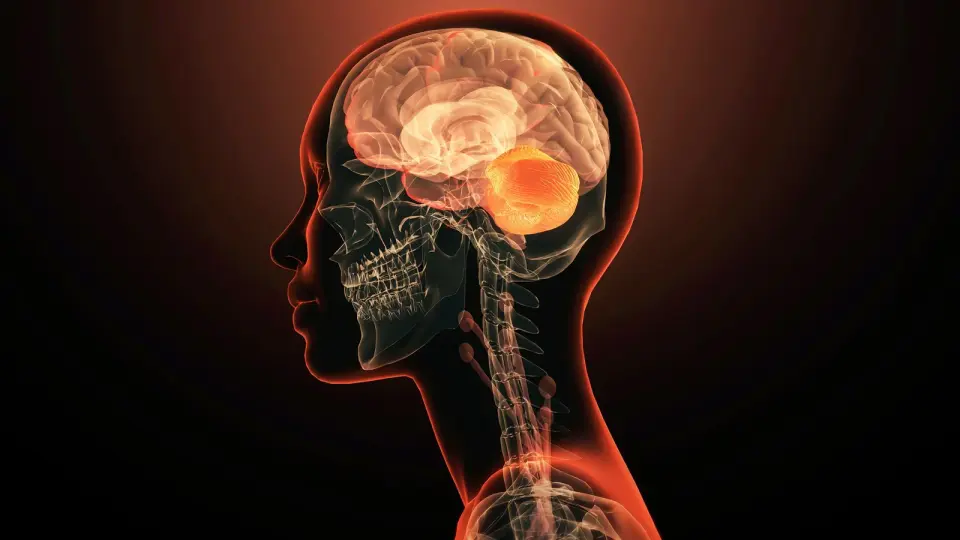
A new study suggests the human brain evolved from two separate nervous systems rather than a single origin. Researchers found that the forebrain and hindbrain arise from distinct cell populations that merge during development. This discovery challenges traditional models of brain formation and may explain why hindbrain neurons are difficult to grow in labs, potentially opening new avenues for studying brainstem-related diseases.
Key points
- The brain appears as a single organ but may originate from two distinct cell populations.
- The forebrain and hindbrain develop from separate sources that are pushed together during embryonic development.
- This finding challenges the long-held belief that all brain regions share a common developmental origin.
- The discovery may explain why hindbrain neurons have been difficult to generate in laboratory conditions.
- The research could offer new ways to investigate diseases affecting the brainstem, such as ALS and spinal muscular atrophy.
Background
This study builds on earlier findings from Stanford University in September 2026, which first proposed that the human brain is a composite of two distinct systems. The current report from Live Science elaborates on the mechanisms of this dual origin and its implications for neuroscience research.
Why it matters
Understanding the dual origin of the brain could revolutionize how researchers approach neurodegenerative diseases and the development of brainstem-targeting therapies. It also addresses a longstanding challenge in lab-grown brain models, potentially improving the accuracy of organoid research.
What to watch
Researchers will likely explore how this dual-origin model affects the development of specific brainstem disorders and refine laboratory techniques to better replicate hindbrain neuron growth. Further studies may also investigate the evolutionary implications of this developmental split.
Want the full story? Read the original reporting
Read on Live Science