
Michigan Medicine’s DT-109 Reverses Fatty Liver by Repairing Gut Barrier in Animal Trials
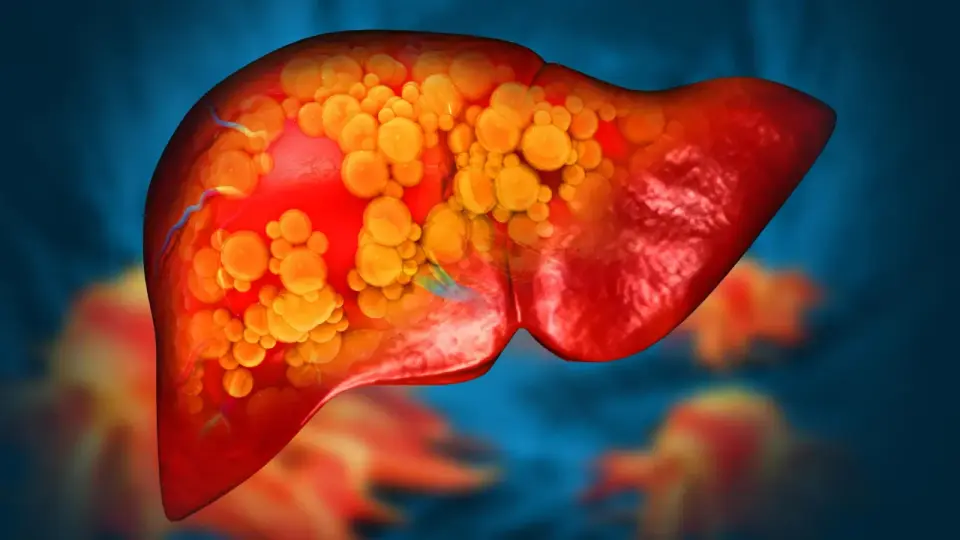
An experimental tripeptide drug called DT-109 has successfully reversed metabolic dysfunction-associated steatohepatitis (MASH) in animal models by targeting the gut rather than the liver directly. Developed at Michigan Medicine, the compound reduces harmful bacteria and strengthens the intestinal lining, preventing inflammatory substances from reaching the liver. While results in nonhuman primates were promising, the drug remains experimental and requires human clinical trials to confirm safety and efficacy.
Key points
- DT-109, a glycine-based tripeptide, reversed MASH in mice and nonhuman primates by reducing Clostridium perfringens bacteria and lowering ammonia production in the intestines.
- The drug strengthens the gut epithelial barrier, preventing microbial toxins from entering the bloodstream and triggering inflammation in the liver via the gut-liver axis.
- MASH affects approximately 7% of the global population and can progress to cirrhosis, liver cancer, or liver failure, yet effective treatments remain limited.
- The compound also showed potential benefits for cardiovascular health, including reducing atherosclerotic plaques and vascular calcification in nonhuman primates.
- Researchers are exploring whether DT-109 could treat inflammatory bowel disease, but human trials are necessary to determine its safety and effectiveness for these conditions.
Background
Recent studies have highlighted various lifestyle factors influencing liver health, such as the protective effects of plain coffee and the risks associated with late-night eating and circadian misalignment. While dietary adjustments like ketogenic diets have shown benefits for liver fat reduction, DT-109 represents a pharmacological approach targeting the gut-liver axis, a distinct strategy from previous lifestyle-focused interventions.
Why it matters
MASH is a severe and difficult-to-treat form of fatty liver disease affecting a significant portion of the global population. DT-109 offers a novel therapeutic avenue by addressing the root cause of liver inflammation through gut barrier repair, potentially providing a dual benefit for patients with concurrent cardiovascular issues. If human trials confirm these results, it could become a critical treatment option for a condition with currently limited therapeutic options.
What to watch
The next phase involves advancing DT-109 toward human clinical trials to evaluate its safety, appropriate dosing, and effectiveness in patients. Researchers will also investigate its potential applications for inflammatory bowel disease and other metabolic disorders, though further studies are required to confirm these benefits.
Want the full story? Read the original reporting
Read on Science Daily