
Blood-Brain Barrier Actively Imports Protective Proteins, Study Finds
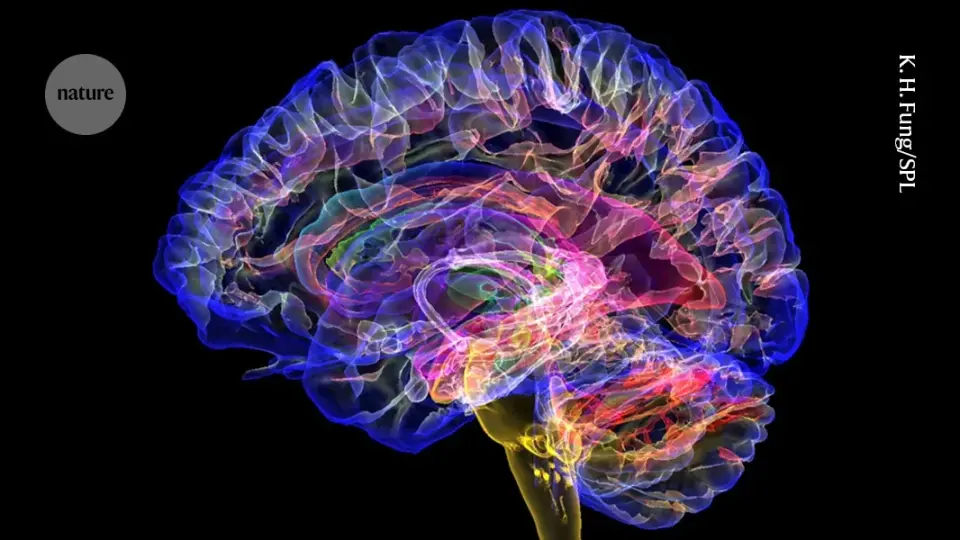
A new study challenges the traditional view of the blood-brain barrier as a static shield, revealing it as an active interface that selectively transports 92 proteins from the blood into the brain. Researchers found that in early-stage Alzheimer’s models, this transport system fails before the barrier physically breaks down, leading to a loss of protective proteins like apolipoprotein A1 (APOA1). Restoring APOA1 levels via liver-targeted gene therapy in mice reduced Alzheimer’s markers, suggesting future treatments could focus on reinforcing the brain’s external supply lines rather than just blocking toxins.
Key points
- Researchers at the Gladstone Institute mapped 861 proteins and identified 92 that cross the blood-brain barrier into the brain, primarily originating from the liver.
- The barrier actively transports specific proteins to targeted cell types; for example, APOA1 reaches astrocytes to maintain synaptic health, while alpha-1-antitrypsin targets microglia.
- In mouse models of early Alzheimer’s, the transport of protective proteins like APOA1 ceased before the barrier became leaky, indicating a failure in supply precedes structural breakdown.
- Engineering mice to produce more APOA1 in the liver increased brain levels of the protein, resulting in reduced fat build-up in astrocytes and lower inflammatory markers.
- The study suggests Alzheimer’s may originate from the severing of the brain’s supply line from the body, offering a potential 'outside-in' therapeutic approach.
Background
This finding complements recent research on peripheral immune signals and waste clearance systems that influence brain health. While previous studies highlighted lymph node signals and glymphatic drainage as factors in neurodegeneration, this work identifies a specific molecular transport mechanism at the blood-brain barrier. It aligns with the broader trend of looking beyond the brain’s interior for therapeutic targets, similar to findings on immature neurons offering protective shields in resilient brains.
How outlets are covering it
Nature and ScienceAlert both emphasize the paradigm shift from viewing the blood-brain barrier as a passive wall to an active, selective interface. ScienceAlert highlights the potential for 'outside-in' therapies, while Nature focuses on the specific mechanism of APOA1 transport via SR-B1 and ABCA1 receptors. UA.NEWS provides a concise summary of the protein atlas but notes the critical limitation that mouse results may not translate to humans due to species differences in barrier properties. All sources agree that the failure of protein import precedes the barrier’s physical breakdown in early disease stages.
Why it matters
Understanding the blood-brain barrier as a dynamic delivery system could lead to new treatments for Alzheimer’s that restore protective protein levels rather than just blocking harmful ones. This approach may bypass the difficulty of delivering drugs directly into the brain, potentially offering a more accessible therapeutic strategy for early-stage disease.
What to watch
Researchers will need to validate these findings in human subjects, as species differences in blood-brain barrier receptors and plasma composition may limit extrapolation. Future studies will likely focus on developing therapies that boost the production of protective proteins like APOA1 in the liver to counteract the early failure of the brain’s supply line.
- New culprit in early Alzheimer’s: Blood–brain barrier blocks protective proteins Nature
- The blood-brain barrier may contribute to cognitive function The Economist
- Study Rewrites The Rules of The Blood-Brain Barrier, Including Proteins That May Be Involved in Alzheimer's ScienceAlert
- First atlas tracks proteins that cross the blood-brain barrier Medical Xpress
- Scientists describe 92 proteins the barrier transports into the brain — ScienceAlert UA.NEWS
Want the full story? Read the original reporting
Read on Nature