
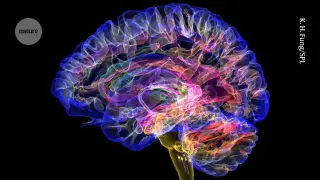
Blood-Brain Barrier Actively Imports Protective Proteins, Study Finds
A new study challenges the traditional view of the blood-brain barrier as a static shield, revealing it as an active interface that selectively transports 92 proteins from the blood into the brain. Researchers found that in early-stage Alzheimer’s models, this transport system fails before the barrier physically breaks down, leading to a loss of protective proteins like apolipoprotein A1 (APOA1). Restoring APOA1 levels via liver-targeted gene therapy in mice reduced Alzheimer’s markers, suggesting future treatments could focus on reinforcing the brain’s external supply lines rather than just blocking toxins.