Genentech has acquired exclusive global rights to Alector’s preclinical Parkinson’s candidate, AL050, in a deal worth up to $1.27 billion. The agreement includes a $100 million upfront payment and extends Alector’s cash runway to 2029.
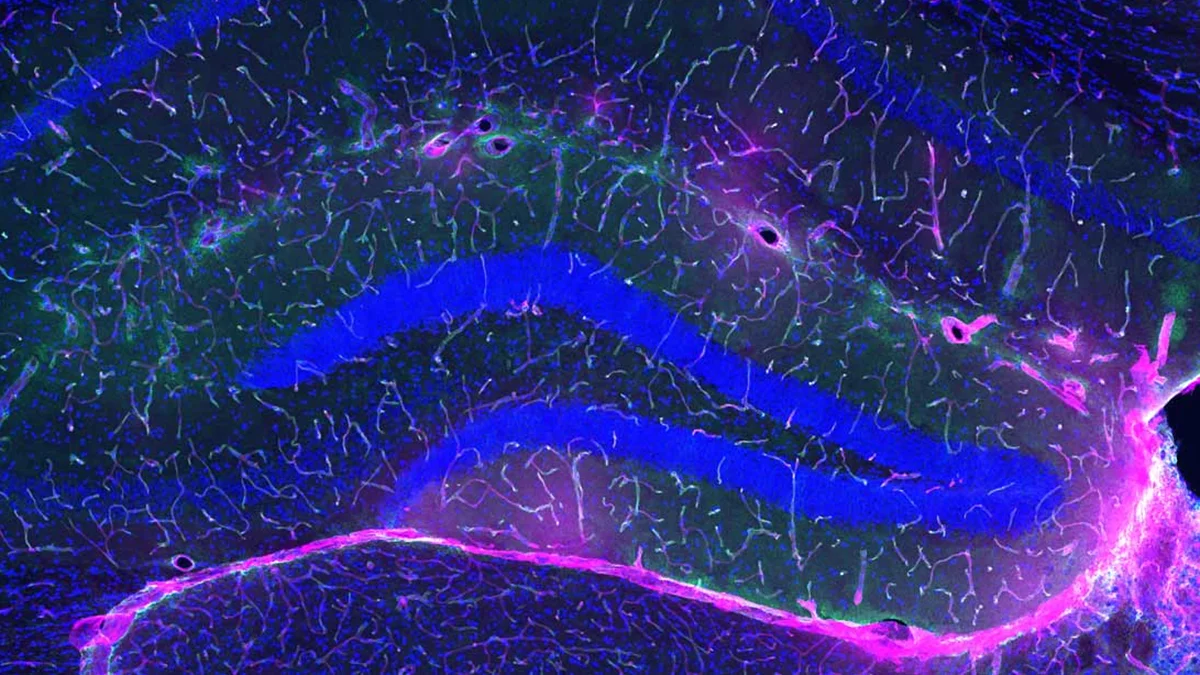
New research finds that around age 50 the brain’s protective microglia decline and are replaced by inflammatory cells from the blood, a shift that may raise dementia risk, including Alzheimer’s, and is accompanied by deterioration of the blood–brain barrier and widespread DNA/gene changes. The study analyzed postmortem hippocampal tissue from 40 adults across ages 20–95, a small, early-stage look that cannot prove causation but suggests a possible mechanism and potential for blood-derived immune cells to be targeted for future therapies. The work, funded by NIH and published in Science, highlights variability in brain aging and the need for further research into triggers and modifiers of this immune-cell replacement.
A new study identifies imidazole propionate (ImP), a metabolite produced by certain gut bacteria, as a potential link between the microbiome and Alzheimer's disease by weakening the blood-brain barrier and promoting amyloid beta plaques and tau changes. In humans, higher ImP levels correlate with faster cognitive decline and elevated Alzheimer’s biomarkers; in mouse models, ImP worsens disease features. ImP-producing bacteria are present in many people but not highly abundant, and susceptibility depends on multiple factors. Targeting ImP or its production could become a therapeutic strategy rather than eliminating the bacteria.
In a mouse model of glioblastoma, researchers loaded the chemotherapy drug doxorubicin into standard liposome nanoparticles and administered it soon after tumor resection. The temporary disruption of the blood-brain barrier allowed the liposome-encapsulated drug to accumulate at the tumor margin for up to 72 hours, with levels undetectable after seven days, suggesting a practical post-surgical delivery window and a potentially translatable, low-tech nanomedicine approach that could move toward human trials.
A laboratory study found that erythritol can damage brain endothelial cells by lowering nitric oxide, raising endothelin-1 and reactive oxygen species, and reducing tissue plasminogen activator, which together may weaken the blood-brain barrier and help explain links between higher erythritol levels and stroke risk. The work was done in cell cultures, not humans, so results must be interpreted with caution and more clinical research is needed; researchers also urge monitoring non-nutritive sweetener consumption.
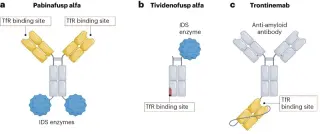
The first FDA-approved engineered biologic that can cross the blood–brain barrier marks a milestone in CNS drug delivery, as researchers accelerate brain-shuttle approaches to ferry large-molecule therapies into the brain for potential treatments of neurological diseases.
Researchers at Oregon State University used mannose-cholesterol coated lipid nanoparticles to cross the blood–brain barrier and deliver tumor-suppressing PTEN mRNA to glioblastoma in mice, greatly reducing tumor burden and extending survival without detectable organ toxicity. While promising, the results are preclinical and in animals, but the approach could become a general platform for brain-targeted mRNA therapies and other neurological applications.
Researchers identified the endothelial protein KLF4 as a key driver of aging-related blood-brain barrier breakdown and cognitive decline. Loss of KLF4 makes the BBB leakier, reduces brain microvasculature, and triggers oxidative damage and neuroinflammation in mice, accelerating aging-like brain changes; single-cell RNA sequencing linked disrupted immune and barrier pathways, highlighting a potential therapeutic target to slow neurovascular aging.
Researchers report that a vitamin B12–based compound, nitrosylcobalamin (NO-Cbl), can cross the blood-brain barrier, selectively accumulate in glioblastoma tumors, and deliver nitric oxide to cancer cells in preclinical models; it also shows synergistic activity with temozolomide (and TRAIL) to enhance tumor suppression, offering a promising but early approach that requires further validation before clinical use.
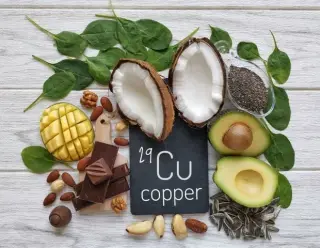
Monash University researchers report in ACS Chemical Neuroscience that the copper compound Cu(ATSM) strengthens the brain's waste-clearing system by boosting P-glycoprotein pumps at the blood-brain barrier in an Alzheimer's model, reducing amyloid-beta by 42% and improving spatial memory by about 44% over 56 days, pointing to a therapy for neurovascular dysfunction; Cu(ATSM) has safety data from other neurological conditions, potentially speeding human testing, though exact clearance pathways and microglial involvement require further study.
Monash University researchers used Cu(ATSM), a copper-delivery compound, to repair the brain’s blood–brain barrier by increasing the P-glycoprotein clearance pumps, which reduced toxic amyloid-beta by about 42% and improved long-term spatial memory by roughly 44% in an APP/PS1 mouse model over 56 days, suggesting copper-based biometal therapy could be a promising route for early symptomatic Alzheimer's disease with potential for quicker human testing due to prior safety evaluations; future work aims to map the precise clearance mechanisms and pathways.
Researchers used supramolecular nanoparticles that act as drugs to repair the brain's blood-brain barrier and restart its waste-clearance system. In mice with high amyloid-β, three injections reduced brain Aβ by 50–60% within an hour, with months-long vascular and cognitive improvements; the approach leverages the LRP1 transport system to reset clearance. While promising, the work is in animal studies and human trials remain years away.
Lab findings and observational studies suggest erythritol could damage the blood-brain barrier and disrupt vascular control, potentially increasing stroke and cardiovascular risk, but results are preliminary (cell-based and population data) and require further validation; regulators still deem erythritol safe for now.
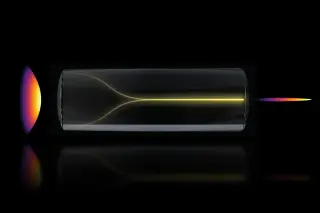
MIT researchers reveal a laser that self-organizes into a stable pencil beam inside a multimode fiber under precise on-axis high-power conditions, enabling ultrafast, high-resolution 3D imaging of the blood–brain barrier and real-time tracking of drug uptake without fluorescent tags—potentially speeding brain-targeted therapy research by about 25x and opening paths to imaging neurons and other tissues.
A UCSF study in mice shows exercise increases GPLD1 in the blood, which helps prune TNAP in brain blood vessels, strengthening the blood-brain barrier, reducing inflammation, and lowering amyloid beta clumps associated with Alzheimer's. The findings suggest a body-brain mechanism behind exercise’s cognitive benefits and point to potential therapies that mimic GPLD1, though human relevance remains to be confirmed.