
Cambridge Study Finds 75% of Sweeteners Alter Gut Bacteria Growth in Lab Tests
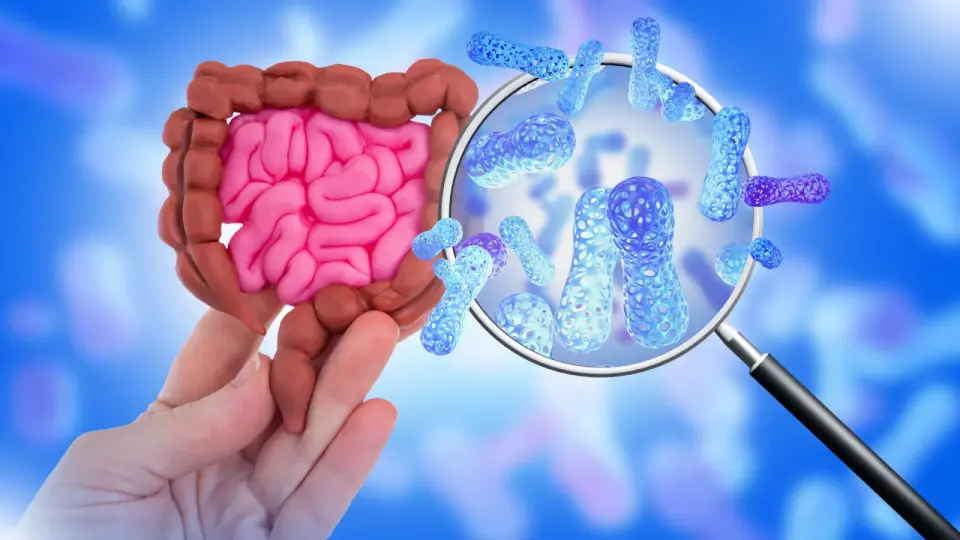
Researchers at the University of Cambridge found that approximately 75% of 39 tested sweeteners directly affect the growth of gut bacteria in laboratory settings. The study revealed that combining sweeteners with medications or food additives can amplify or diminish these effects, with a specific mix of isosteviol and the antidepressant duloxetine significantly disrupting microbial diversity and potentially impacting immune responses. While the findings challenge the notion that sweeteners are metabolically neutral, scientists emphasize that these lab results do not yet confirm real-world health consequences in humans.
Key points
- A team from the University of Cambridge tested 39 commercial sweeteners against 25 species of gut bacteria, finding that roughly three-quarters altered bacterial growth.
- The study identified over 100 instances where combining sweeteners with substances like caffeine, vanillin, or medications changed their impact on bacteria, with 34 cases showing intensified effects.
- A specific combination of the sweetener isosteviol and the antidepressant duloxetine strongly suppressed two key bacteria, Roseburia intestinalis and Parabacteroides merdae, which are linked to digestive health and blood sugar regulation.
- Experiments using a simulated gut community showed that the isosteviol-duloxetine mix reduced microbial diversity and increased toxicity toward host cells, suggesting potential impacts on inflammation and immune responses.
- Lead author Dr. Sonja Blasche noted that sweeteners are rarely consumed alone, making these interaction studies critical, while senior author Professor Kiran Patil stressed that these lab findings do not yet prove harm in human bodies.
Background
This research builds on recent microbiome studies, such as those from Mayo Clinic in October 2026, which linked specific gut bacterial signatures to cancer survival and chemotherapy side effects. While those studies focused on disease outcomes, this Cambridge research shifts focus to how everyday dietary ingredients like sweeteners might interact with the microbiome, particularly when combined with medications. It addresses a gap in previous research that relied heavily on animal models or population studies, offering direct evidence of sweetener-bacteria interactions in controlled lab environments.
Why it matters
The findings challenge the common assumption that low-calorie sweeteners are biologically inert. By demonstrating that sweeteners can directly influence gut bacteria and that these effects can be altered by medications or food additives, the study highlights a potential mechanism for how diet might impact health. This could lead to new research into whether such interactions contribute to conditions like type 2 diabetes or obesity, and may inform future guidelines on combining medications with sweetened foods or drinks.
What to watch
The researchers call for further studies to determine if these laboratory effects translate to real-world health outcomes in humans. Future work will likely focus on clinical trials or more complex in vivo models to assess whether the observed changes in bacterial growth and diversity lead to measurable health impacts, particularly for individuals taking medications like duloxetine.
Want the full story? Read the original reporting
Read on Science Daily