
Ear Stimulation Device Shows Promise for Severe Hypertension in Small Trial
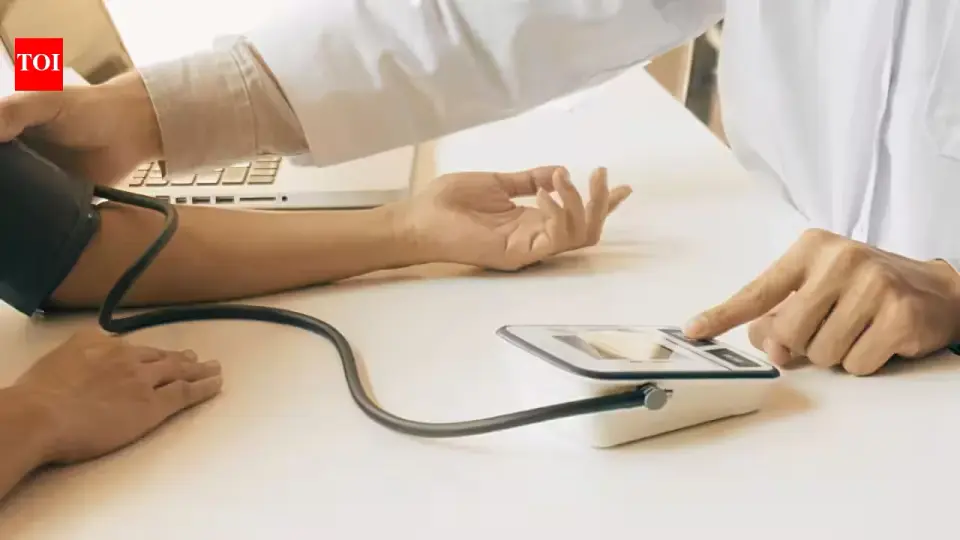
A new non-invasive device that stimulates ear nerves via electrical pulses showed safe and practical use in a small trial, with promising blood pressure reductions for patients with severe hypertension, though it did not significantly outperform a placebo for the general group.
Key points
- The SCRATCH-HTN trial involved 63 patients with uncontrolled hypertension already on medication, testing a device developed by Afferent Medical Solutions.
- The device uses transcutaneous autonomic neuromodulation (tAN) to deliver mild electrical pulses to the tragus of the ear, aiming to influence the autonomic nervous system.
- While the treatment was safe and well-tolerated, it did not significantly lower blood pressure across the entire study group compared to a sham device.
- Patients with more severe hypertension showed a clear reduction in blood pressure when using the active device compared to the control group.
- Researchers emphasize that larger studies are needed to confirm efficacy and identify which patient groups benefit most, noting the device is not a replacement for current medication.
Background
Hypertension remains a major contributor to cardiovascular disease, with many patients struggling to maintain target blood pressure levels despite medication. Previous research, such as a 2026 study on gut bacteria, has highlighted how various factors can interfere with the effectiveness of blood pressure drugs. This new approach explores non-invasive neuromodulation as a complementary therapy, building on earlier interest in non-surgical interventions for chronic conditions. Unlike invasive procedures, this method aims to be scalable and patient-friendly, addressing the challenge of long-term medication adherence and side effects.
How outlets are covering it
The Times of India and Science Daily both highlight the potential of the device for patients with severe hypertension, citing Dr. Ajay Gupta’s optimism about a 'cheap, scalable solution.' However, they emphasize the lack of significant overall results and the need for larger trials. SANA provides a more cautious perspective, explicitly stating that the device is not a substitute for prescribed medication and that findings are preliminary. While all sources agree on the safety and ease of use, SANA places greater emphasis on the limitations and the need for further research, whereas the other two focus more on the promising subgroup results. The Times of India also notes the device’s potential to replace lifelong medication, a claim not explicitly supported by the other sources, which stress it as an additional option.
Why it matters
This trial offers a potential new avenue for managing uncontrolled hypertension, a condition that affects millions and significantly increases the risk of heart attacks and strokes. If confirmed in larger studies, this non-invasive, home-based treatment could provide a complementary option for patients who do not respond adequately to medication, potentially reducing the burden on healthcare systems and improving patient outcomes. The focus on severe hypertension cases suggests a targeted approach that could address a critical gap in current treatment strategies.
What to watch
Researchers plan to conduct larger clinical trials to confirm the efficacy of the device, particularly for patients with severe hypertension. These studies will aim to identify which patient groups benefit most and establish whether the treatment can reliably lower blood pressure. The findings from the SCRATCH-HTN trial will guide the design of these future studies, focusing on refining the technique and expanding its application. Regulatory approval and widespread adoption will depend on the results of these larger trials, which are expected to provide more definitive evidence of the device’s effectiveness.
Want the full story? Read the original reporting
Read on The Times of India