
Experimental CAR T Therapy Achieves Complete Remission in Child with Metastatic Liver Cancer
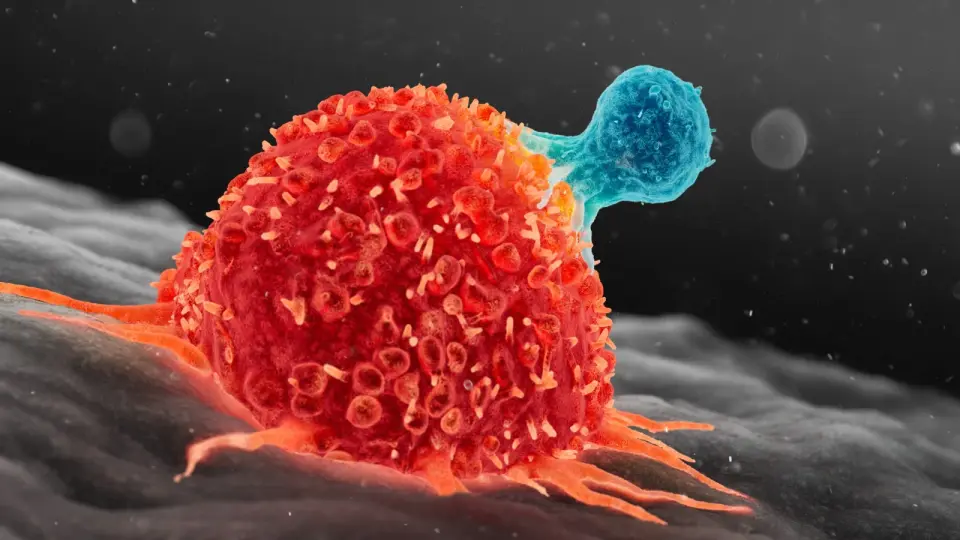
A three-year-old boy with chemotherapy-resistant, metastatic hepatoblastoma achieved a complete disease-free response after receiving two doses of an experimental CAR T cell therapy. The treatment, which targets the glypican-3 protein, was administered in an outpatient setting without systemic toxicity. Published in The New England Journal of Medicine, the case suggests potential for treating solid tumors, though further trials are needed to confirm safety and efficacy.
Key points
- The patient had a large primary liver tumor and metastases in the lungs and bones that recurred after standard chemotherapy and surgery.
- The experimental therapy used the patient's own T cells engineered to recognize glypican-3, a protein highly expressed in liver cancers.
- The treatment included genes for interleukin-15 and interleukin-21 to enhance the longevity and killing ability of the CAR T cells.
- The boy received two infusions, showing a partial response after the first and complete remission after the second, with no disease signs at 12 months.
- The case is part of the CARE study at Baylor College of Medicine, with similar trials ongoing at Seattle Children's Hospital.
Background
This case follows previous coverage of experimental CAR T therapies targeting solid tumors, highlighting a shift from blood cancers to more challenging solid tumors like liver cancer. It also contrasts with other recent cancer stories, such as the rare uterine cancer discovered in a 37-year-old woman and the deaths of public figures from metastatic cancers, underscoring the ongoing struggle and progress in cancer treatment.
Why it matters
This case demonstrates the potential of CAR T cell therapy to treat solid tumors, a significant challenge in oncology. If successful in larger trials, it could offer a new treatment option for patients with chemotherapy-resistant cancers, particularly those with glypican-3 positive tumors. The outpatient administration and lack of systemic toxicity also suggest a more manageable treatment process for patients and families.
What to watch
Further clinical trials, including the CARE and IMPACT studies, will assess the safety and efficacy of GPC3-CAR therapy in a broader patient population. Researchers will monitor long-term outcomes and potential side effects to determine if this therapy can become a standard treatment for hepatoblastoma and other solid tumors.
Want the full story? Read the original reporting
Read on ScienceAlert