
FDA Panel Vote Ignites Controversy Over Unproven 'Wolverine' Peptides
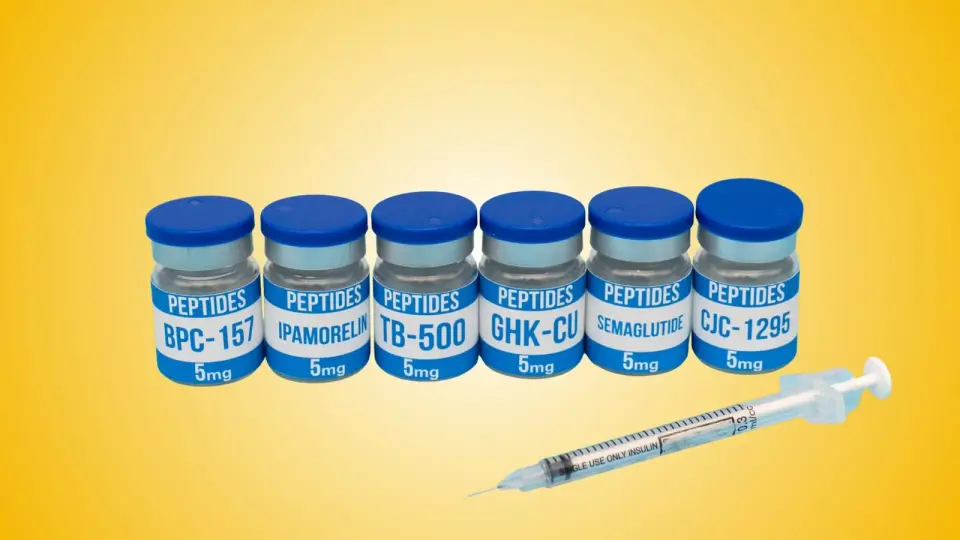
A recent FDA advisory panel vote recommended loosening restrictions on six experimental peptides, including BPC-157 and TB-500, despite significant safety concerns. This move follows a surge in popularity driven by influencers and political figures, though the substances remain unproven in human clinical trials and are banned in professional sports.
Key points
- In July 2026, an FDA advisory panel voted to recommend allowing compounding pharmacies to produce six popular peptides, including BPC-157, TB-500, KPV, MOTS-c, Epitalon, and Semax.
- The recommendation was controversial because many FDA staff scientists opposed it, citing a lack of robust human clinical data to prove safety or efficacy.
- The 'Wolverine Stack,' consisting of BPC-157 and TB-500, has seen a 33-fold increase in confirmed users between 2020 and 2026, driven by influencers like Joe Rogan and U.S. Health Secretary Robert F. Kennedy Jr.
- World Anti-Doping Agency (WADA) maintains its ban on these peptides for professional athletes, classifying BPC-157 as a non-approved substance and TB-500 as a performance enhancer.
- Critics warn that legalizing compounding could lead to quality control issues, as these pharmacies are not strictly regulated by the U.S. government and may source raw materials from unmonitored international suppliers.
Background
Our earlier coverage in August 2026 highlighted a similar boom in Florida, where clinics promoted unapproved peptides for recovery and anti-aging, raising concerns about impurities and lack of standardized dosing. In September 2026, we also reported on the rise of DIY peptide use among women and teenagers, who are accessing these substances through gray-market suppliers and social media despite the absence of regulatory approval.
How outlets are covering it
Velo emphasizes the ethical and safety risks for amateur athletes, noting that while WADA bans these substances for pros, the line between treatment and enhancement is blurred for recreational riders. The outlet highlights the potential for cancer risks and the lack of long-term safety data. McGill University’s Joe Schwarcz focuses on the scientific history, pointing out that BPC-157 and TB-500 were originally developed for ulcer and wound healing in animals, not for human biohacking. He notes that the current hype is based on biochemical plausibility rather than clinical evidence. The Alliance for Pharmacy Compounding offers a more neutral, professional perspective, providing educational resources for pharmacists to advise patients on these substances, acknowledging the growing interest while emphasizing the need for proper regulatory steps before widespread compounding is allowed.
Why it matters
The potential FDA approval could make unproven, potentially dangerous substances widely available through local pharmacies, bypassing strict safety checks. This shift could normalize the use of experimental drugs among the general public and amateur athletes, despite a lack of evidence for their safety or efficacy, and raise significant ethical questions regarding fair play in sports.
What to watch
The FDA must decide whether to act on the advisory panel’s recommendation to allow compounding pharmacies to market these peptides. If approved, these substances could become more accessible, though WADA will maintain its ban for professional athletes. Experts are calling for more rigorous human trials and better regulation of compounding pharmacies to ensure product quality and safety.
- Peptides: Huge Promises, Unproven Hype Outside Magazine
- The Peptide Boom That Isn’t About Your Muscles WSJ
- Biohackers are Reaching for Wolverine Peptides McGill University
- Fad or the future? Weighing the pros and cons of peptides WFLA
- Webinar: A clinical guide to the peptides your patients are asking about Alliance for Pharmacy Compounding
Want the full story? Read the original reporting
Read on Outside Magazine