
FNIP1 Gene Mutation Linked to 60% Lower Cardiometabolic Disease Risk
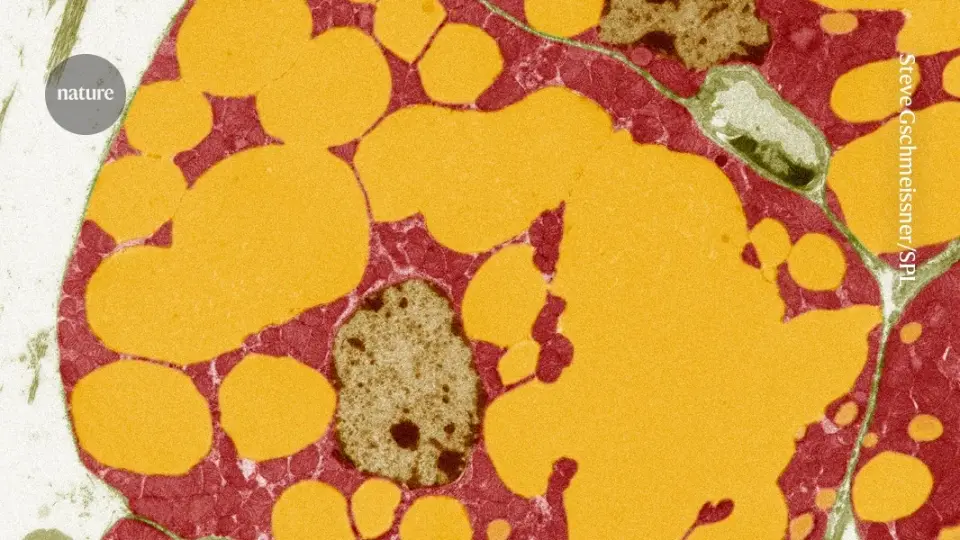
A massive genomic study of over one million people identified rare mutations in the FNIP1 gene that are associated with significantly lower risks of diabetes, heart disease, and other cardiometabolic conditions. Carriers of these variants exhibit higher muscle mass, lower belly fat, and improved metabolic markers, suggesting a potential target for future therapeutic interventions.
Key points
- Analysis of over one million diverse genomes across three continents identified specific loss-of-function mutations in the FNIP1 gene.
- Individuals carrying these rare variants, approximately one in 7,000 people, showed a 60% lower risk of cardiometabolic diseases.
- The mutations are associated with increased muscle proportion, reduced visceral fat, lower blood sugar, and improved lipid profiles.
- Experimental silencing of FNIP1 in human liver cells and mice resulted in increased fat breakdown and protection against diet-induced liver damage.
- Researchers propose that targeting FNIP1 in the liver could mimic the protective effects of these mutations without the risks associated with complete gene inhibition.
Background
This discovery builds on ongoing research into the genetic basis of metabolic health. Previous coverage has highlighted the complex relationship between nutrition, stress, and insulin resistance, as well as the impact of exercise frequency on belly fat reduction. The identification of FNIP1 adds a specific genetic dimension to these broader metabolic discussions, offering a biological target for interventions that may complement lifestyle changes.
How outlets are covering it
Nature emphasizes the broad protective benefits of FNIP1 mutations against a range of cardiometabolic conditions, highlighting the gene's role in cellular metabolism and nutrient response. Scientific American frames the finding as a natural analogue to GLP-1 drugs like Ozempic, noting that the mutation causes the body to burn fuel more efficiently. While both sources agree on the protective nature of the variant, Scientific American places greater emphasis on the potential for drug development and the risks associated with complete gene inhibition, noting that individuals with two broken copies of the gene are prone to heart disease and immune deficiency. Nature focuses more on the epidemiological scale of the study and the biomarker (TG:HDL ratio) used to identify the variants.
Why it matters
The identification of FNIP1 as a key regulator of metabolic health provides a concrete target for developing new therapies for cardiometabolic diseases, which are leading causes of global mortality. Understanding how rare genetic variants can naturally protect against these conditions offers a pathway for creating drugs that mimic these protective effects, potentially leading to more effective treatments for diabetes, heart disease, and obesity.
What to watch
Researchers are investigating whether targeting FNIP1 specifically in the liver can replicate the protective benefits of the mutation while avoiding the negative health impacts associated with complete gene inhibition. Further studies will be needed to determine the safety and efficacy of such therapeutic approaches in humans.
Want the full story? Read the original reporting
Read on Nature