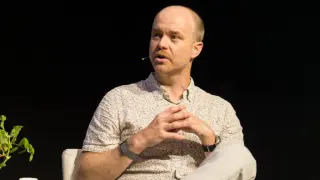
Anthropic Ventures Into Drug Discovery With Claude Science
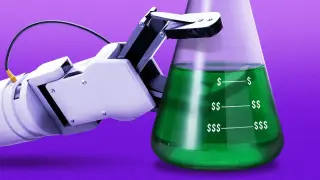
Anthropic says it will start developing its own drugs using Claude Science to gain hands-on experience applying its AI to real biotech problems, with unclear plans for commercialization.
All articles tagged with #drug development

Anthropic says it will start developing its own drugs using Claude Science to gain hands-on experience applying its AI to real biotech problems, with unclear plans for commercialization.

USF researchers collected Antarctic ascidians (sea squirts) and found toxins they produce can kill melanoma cells in mice, suggesting potential for a new melanoma treatment. Developing a safe, human-approved drug will require extensive lab work, animal studies, and synthetic production, with ongoing NSF-funded collaborations to reproduce the toxin and move toward trials while addressing ecological and safety concerns.

The FDA announced a pilot to accelerate early-stage clinical trials, aiming to cut development time by six to 12 months, boost U.S.-based trials, and counter China, while seeking congressional support to establish a permanent, faster Investigational New Drug pathway in the 2027 budget; the effort follows advocacy by former FDA Commissioner Marty Makary.

As U.S. measles outbreaks rise due to declining vaccination rates, researchers and biotech firms are racing to develop an approved antiviral or treatment, though none exists yet; the resurgence highlights the ongoing health and economic costs of low vaccination coverage and has spurred renewed interest in antiviral strategies and potential therapies under investigation by scientists.

Researchers have linked a lung microbiome–related gene, TLR5, to idiopathic pulmonary fibrosis (IPF): mice lacking TLR5 show more fibrosis after lung injury, highlighting a genetic pathway that could be targeted by drugs to slow IPF progression.

Bristol Myers Squibb announced a strategic agreement with Anthropic to deploy Claude across its research, development, manufacturing, commercial and corporate functions, empowering more than 30,000 employees with agentic AI. The rollout centers on Claude Code for engineering and will embed AI agents into priority workflows to accelerate target identification, trial documentation and regulatory submissions, and to speed manufacturing decisions, all while maintaining enterprise governance and secure integrations. This builds on BMS’s multi-year AI investments and a multi-vendor strategy to speed medicine discovery and delivery.

Odyssey Therapeutics priced a 15.5 million-share IPO at $18 to raise about $304 million (including a 1.4 million-share private placement with a TPG Life Sciences affiliate; the deal could grow by roughly $41.8 million if underwriters exercise the greenshoe). The proceeds will fund OD-001, a RIPK2 inhibitor for ulcerative colitis in phase 2, and move the preclinical SLC15A4 program into phase 1/2a, among other assets, as CEO Gary Glick pursues a 'little large pharma' model. Odyssey has raised about $726.5 million to date and will list on Nasdaq as ODTX.

The FDA issued a draft guidance to help drug developers validate new approach methodologies (NAMs) as replacements for animal testing in drug development, outlining four core validation principles—context of use, human biological relevance, technical characterization, and fit-for-purpose—and encouraging early consultation with FDA review divisions. NAMs encompass advanced in vitro systems, organoids and organ-on-chip models, in silico methods, and even phylogenetically lower organisms like zebrafish. The goal is to rely on human-relevant data to improve safety predictions and accelerate access to safer therapies, building on previous efforts to reduce animal testing and update related guidance on pyrogen/endotoxin testing.

An FDA official indicated UniQure’s Huntington’s disease therapy showed no demonstrated benefit based on current data, preventing a marketing application; the company disputes the assessment but hopes to align trial parameters for a potential future study.

China is launching a sweeping, government-backed effort to prepare for a coming wave of dementia by expanding screening, diagnosis, and treatment, recruiting returning researchers, and funding diverse avenues—from new drugs (including BrAD-R13 and DI-3-n-butylphthalide) to traditional Chinese medicine and novel glymphatic-clearing surgeries. With dementia prevalence expected to rise dramatically, the country aims to reach 2030 targets, accelerate clinical trials (already rising from 9 in 2021 to 107 in 2024), and become a leading global hub—though regulatory safeguards and safety concerns accompany rapid growth.

The FDA issued a draft guidance to promote the use of Bayesian methodologies in clinical trials for drugs and biologics, aiming to use prior information and data more efficiently to shorten timelines and reduce costs. The guidance outlines when Bayesian methods can support primary inference and trial design, including early futility/success decisions, dose selection, incorporating external data, enabling subgroup analyses, and aiding rare or pediatric studies; public comment is invited as part of PDUFA VII commitments.

Scientists from HKUMed discovered that the Piezo1 protein acts as an 'exercise sensor' in bones, translating physical activity into signals that strengthen bones and reduce fat accumulation in bone marrow. This breakthrough could lead to the development of drugs that mimic exercise effects, offering new treatments for osteoporosis, especially for those unable to exercise.

Scientists have discovered that a vitamin A metabolite, retinoic acid, can suppress the immune system's ability to fight cancer by promoting immune tolerance. They developed inhibitors that block this pathway, restoring immune responses and improving cancer vaccine efficacy, paving the way for new immunotherapy treatments.
AI is significantly improving the pharmaceutical industry by addressing the high failure rate and lengthy, costly process of drug development, which can take over a decade and cost nearly $3 billion per successful drug.

Ocular Therapeutix is at a critical juncture as it seeks to demonstrate the effectiveness of a more durable eye treatment, with its recent turnaround story still needing to prove tangible results amid ongoing industry challenges.