
Genetic Mutations Explain Why Some Thrive on Four Hours of Sleep
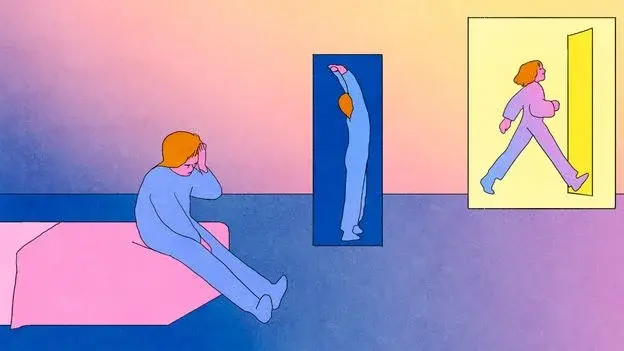
A rare genetic condition known as familial natural short sleep allows some individuals to function normally on as little as four hours of sleep. While most adults require seven to nine hours, genetic variations can protect short sleepers from cognitive decline and certain diseases, though the majority of people who sleep less are unaware of their impairing effects.
Key points
- Aimee Pugh Bernard, an immunology professor at the University of Colorado, sleeps only four to five hours nightly and remains energized, a trait shared by her father and brother.
- Bernard carries a rare mutation linked to familial natural short sleep (FNSS), a condition identified by researchers at the University of California, San Francisco, in 2019.
- The US National Sleep Foundation recommends seven to nine hours of sleep for adults aged 26 to 64, highlighting the significant variation in individual needs.
- Research suggests FNSS carriers may be protected from memory impairment and Alzheimer's, with twin studies showing 40% fewer performance lapses during sleep deprivation.
- Genetics account for 30% to 65% of sleep duration differences, with hundreds of common variants each contributing minor changes, such as one minute of sleep per variant.
- A study of 343 women with bipolar disorder found that those genetically predisposed to short sleep had half the risk of postpartum psychosis and insomnia.
Background
Previous coverage in our archive has explored various health and wellness topics, including the necessity of dietary magnesium over supplements and the psychological factors that help individuals survive suicidal crises. While those stories focus on different aspects of health and mental resilience, the current topic delves into the biological underpinnings of sleep, a fundamental aspect of human health that interacts with both physical and mental well-being.
Why it matters
Understanding the genetic basis of sleep duration could lead to targeted treatments for sleep disorders and improved resilience for those who cannot get adequate rest. It also highlights the importance of distinguishing between true short sleepers and those who are unaware of their cognitive impairments, potentially preventing long-term health risks associated with chronic sleep deprivation.
What to watch
Researchers aim to understand how specific genetic variants protect short sleepers from negative consequences, which could inform the development of pharmaceuticals. Future studies will likely expand on the protective effects of common genetic variants and explore how they can be leveraged to mitigate the risks of sleep deprivation in vulnerable populations.
Want the full story? Read the original reporting
Read on BBC