
GLP-1 Addiction Trials Accelerate as Telehealth Platforms Prescribe Off-Label Drugs
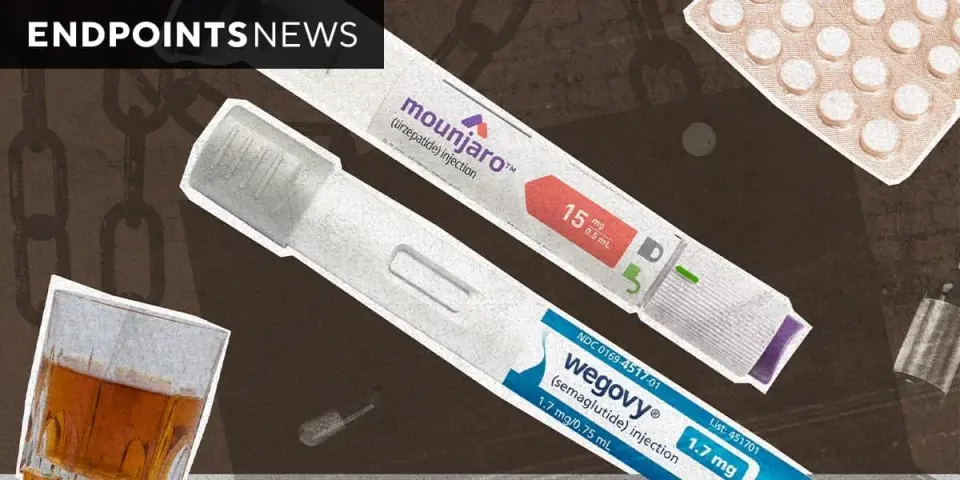
Major pharmaceutical companies are expanding GLP-1 receptor agonist trials beyond obesity to treat alcohol, cocaine, and methamphetamine use disorders. While clinical evidence remains mixed, telehealth platforms are already prescribing these drugs off-label for addiction, shifting the burden of vetting unapproved treatments onto patients.
Key points
- Eli Lilly is testing brenipatide for alcohol use disorder, while Baseline Therapeutics and Altimmune are investigating GLP-1 agonists for cocaine, methamphetamine, and alcohol dependencies.
- A meta-analysis of 430 adults found no statistically significant overall reduction in alcohol consumption from GLP-1 treatments, though a separate semaglutide trial showed reduced craving and self-administration.
- Telehealth companies are marketing off-label GLP-1 prescriptions for addiction, a practice experts warn shifts the risk of vetting unapproved drugs to patients.
- Preclinical studies show mixed results; some agents reduced substance intake in rodents, while others showed no benefit, and human trials remain limited in duration and scope.
Background
Previous coverage in October 2026 highlighted mixed evidence regarding GLP-1 drugs' ability to reduce alcohol cravings, with some trials showing benefits only for patients with comorbid obesity. Concurrently, the broader GLP-1 market has seen rapid expansion, including new combination therapies for weight loss and political pressure in the UK to accelerate access to these drugs for obesity treatment.
How outlets are covering it
Endpoints News emphasizes the expansion of large-scale clinical trials by major pharmaceutical companies, framing the move as a logical next step for GLP-1 drugs beyond diabetes and weight loss. STAT highlights the regulatory gap, noting that telehealth platforms are already prescribing these drugs off-label for addiction, a practice that bypasses FDA approval and places the burden of safety vetting on patients. News-Medical provides a scientific perspective, detailing the biological mechanisms linking GLP-1 to reward pathways but stressing that current human evidence is insufficient to establish clinical efficacy, with mixed results across different substances and compounds.
Why it matters
The push to repurpose GLP-1 drugs for addiction could address a significant global health burden, with an estimated 400 million people living with alcohol use disorder. However, the premature off-label use via telehealth raises safety concerns, while the lack of robust clinical data means these treatments are not yet established as standard care. This development also reflects the broader trend of GLP-1 drugs expanding into new therapeutic areas, potentially reshaping addiction treatment paradigms if future trials prove effective.
What to watch
The FDA may soon approve a new medication for alcohol use disorder, the first in two decades, potentially setting a precedent for GLP-1 drugs in addiction treatment. Larger, longer multicenter trials are needed to determine long-term effectiveness, safety, and whether GLP-1 drugs provide additional benefits alongside established addiction treatments. Telehealth platforms may continue to expand off-label prescribing, potentially prompting regulatory scrutiny or new guidelines for unapproved drug use in addiction medicine.
- Big trials push beyond obesity to see if GLP-1s can quell alcohol, drug cravings Endpoints News
- Telehealth leapfrogs FDA approval with off-label GLP-1 prescriptions for addiction STAT
- Could Ozempic help treat addiction? An Allegheny County study aims to find out 90.5 WESA
- The weight-loss drug dropping a ‘bomb’ on alcohol addiction Stuff
- How GLP-1 Drugs May Help Treat Addiction: Mechanisms and Clinical Evidence News-Medical
Want the full story? Read the original reporting
Read on Endpoints News