
Fentanyl Vaccine Trial Begins as 50-Year Quest for Drug Immunization Reaches Human Testing
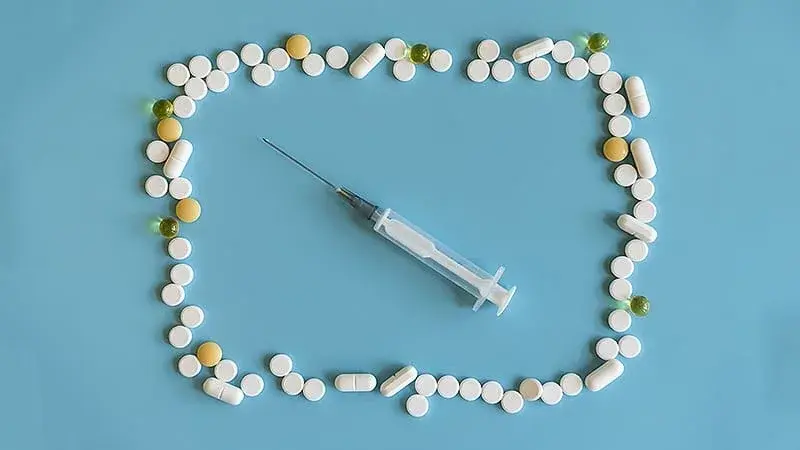
ARMR Sciences is testing Fentanyl Armour, a vaccine designed to prevent overdose by blocking fentanyl in the bloodstream, marking the first human trial for this approach after decades of failed attempts with cocaine and nicotine vaccines.
Key points
- ARMR Sciences reported interim phase 1/2 data in June showing Fentanyl Armour was well tolerated and generated anti-fentanyl antibodies at the lowest dose tested.
- The vaccine uses a hapten linked to a carrier protein to train the immune system to bind fentanyl in the blood, preventing it from reaching the brain, unlike naloxone which acts after overdose.
- Skeptics note that previous drug vaccines failed because only two-thirds of participants generated sufficient antibodies, a risk that is critical for fentanyl given its low lethal dose.
- Alternative approaches include monoclonal antibodies from Cessation and CounterX Therapeutics, which offer faster action but shorter duration, and a multivalent vaccine at the University of Washington facing funding and regulatory delays.
- Political concerns exist regarding potential coercion in vaccine administration, though experts argue it is unlikely to encourage illicit use compared to current harm reduction policies.
Background
This development follows a 50-year history of failed drug vaccine attempts, notably for cocaine in the 2000s, which were rejected by the FDA due to insufficient efficacy in the overall population. The current push is driven by a sharp rise in synthetic opioid deaths, which grew from approximately 3,000 in 2013 to nearly 74,000 in 2022, and the increasing presence of fentanyl in counterfeit pills. Recent archive coverage of AI-designed cancer vaccines and cycle-aware pharmacology highlights broader trends in personalized and preventive medicine, but the fentanyl vaccine represents a distinct challenge in immunology against non-pathogenic substances.
Why it matters
Success could provide a preventive tool for overdose that does not require abstinence, potentially saving lives in a crisis where rescue drugs like naloxone are becoming less effective against potent analogs. However, failure could discredit the entire field of drug vaccines, while success raises ethical questions about mandatory administration and the stigmatization of addiction as a moral failing rather than a disease.
What to watch
The challenge phase of the Fentanyl Armour trial is underway, where vaccinated participants will receive pharmaceutical-grade fentanyl under medical supervision to measure respiratory suppression. Researchers are also seeking funding outside the US for the University of Washington’s multivalent vaccine due to NIH funding cuts, while monoclonal antibody trials continue to assess safety and efficacy.
Want the full story? Read the original reporting
Read on Medscape