
Mayo Clinic Trial Shows High-Dose Probiotic Reduces Bile Acids in Chronic Diarrhea
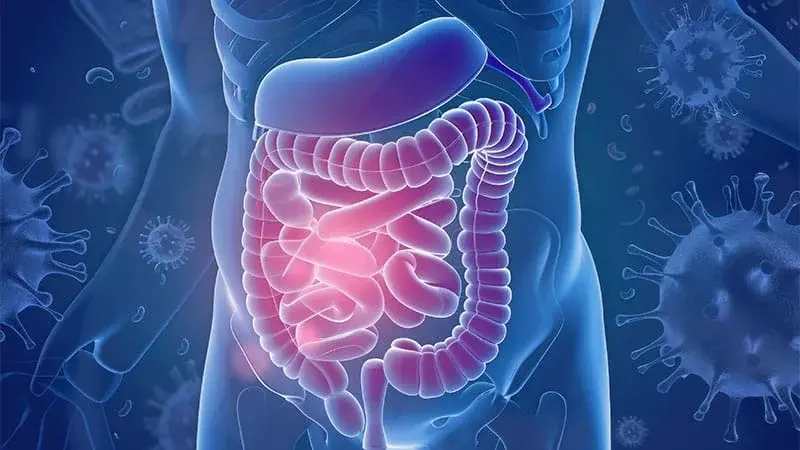
A small randomized trial at Mayo Clinic found that a high-dose, eight-strain probiotic reduced fecal primary bile acids in patients with bile acid malabsorption. While the treatment improved biochemical markers and altered gut microbiome composition, it did not significantly change stool consistency or frequency. The authors note the study's small sample size and short duration limit its conclusions, calling for larger, longer trials to confirm therapeutic benefits.
Key points
- The study involved 24 patients with biochemically confirmed bile acid malabsorption, with 22 included in the final analysis.
- Participants received either a high-dose eight-strain probiotic (900 billion colony-forming units daily) or a placebo for 21 days.
- The probiotic group showed a significant reduction in the percentage of fecal primary bile acids, specifically chenodeoxycholic acid, compared to the placebo group.
- Beta-diversity analysis revealed distinct changes in the fecal microbiome composition in the probiotic group, driven by specific bacterial species.
- No significant differences were observed between groups in stool frequency, consistency, ease of passage, or intestinal permeability.
- Both treatments were well tolerated, with adverse events deemed unrelated to the assigned interventions.
Background
Recent discussions on gut health have highlighted probiotics for conditions like IBS and antibiotic-associated diarrhea, but evidence for bile acid malabsorption (BAM) remains limited. This study builds on the understanding that microbiota regulate bile acid levels, suggesting that targeted probiotic interventions could influence bile acid metabolism in BAM patients. The findings align with broader research into microbiome-based therapies for gastrointestinal disorders, though the current evidence is preliminary.
Why it matters
Bile acid malabsorption is a common cause of chronic diarrhea, yet treatment options are limited. If confirmed in larger trials, this probiotic could offer a non-invasive, well-tolerated alternative to current therapies. The study’s focus on biochemical markers rather than symptom relief highlights the need for further research to determine clinical efficacy in real-world settings.
What to watch
The authors recommend larger, longer-duration trials to evaluate the therapeutic effects of the probiotic. Future studies should assess whether improvements in bile acid metabolism translate to meaningful symptom relief for patients with bile acid malabsorption.
Want the full story? Read the original reporting
Read on Medscape