
Immune Dysregulation Identified as Key Driver in Chronic Diabetic Ulcers
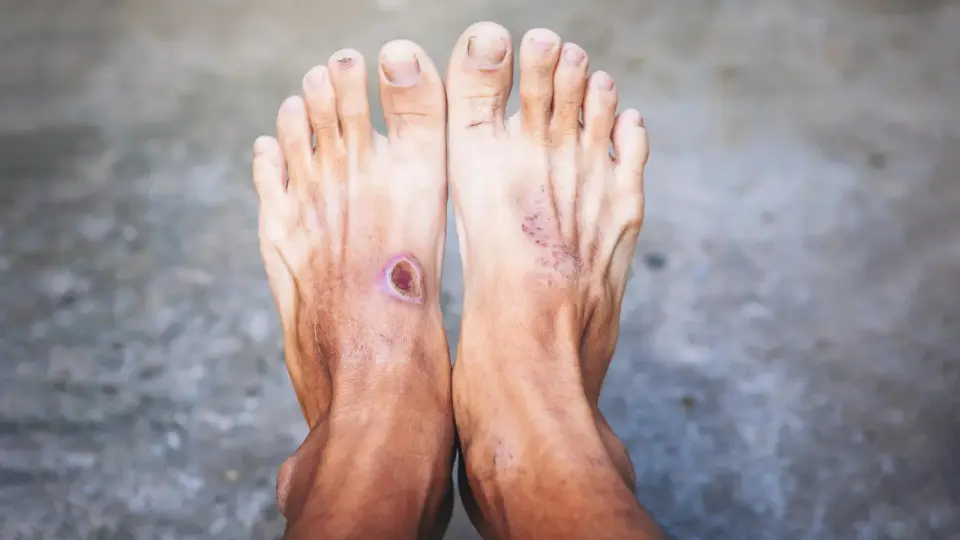
A comprehensive review by Yi Ru and colleagues identifies persistent immune cell dysfunction as a primary reason diabetic wounds fail to heal. The study highlights how macrophages, neutrophils, and dendritic cells become trapped in inflammatory states, preventing tissue repair. This chronic inflammation, driven by disrupted cellular signaling and debris clearance, explains the high cost and severity of diabetic ulcers. The findings suggest that future treatments must target specific immune pathways at precise stages of the healing process to restore normal recovery mechanisms.
Key points
- Diabetic ulcers affect over 131 million people globally and incur approximately $755 billion in annual healthcare costs, often leading to amputation or death due to failed healing.
- Macrophages in diabetic wounds often remain locked in pro-inflammatory M1 states instead of transitioning to pro-reparative M2 states, prolonging tissue damage and preventing normal healing progression.
- Neutrophils and mast cells contribute to chronic inflammation through poorly regulated extracellular traps and excessive degranulation, releasing harmful proteases and reactive oxygen species.
- Dendritic cells exhibit reduced efferocytosis in diabetic conditions, likely due to impaired SLC7A11 transporter activity, causing dead cellular material to accumulate and trigger further inflammatory signals.
- Regulatory T cells and dendritic epidermal T cells show reduced numbers and function in diabetic wounds, leading to slower tissue remodeling and decreased production of growth factors like insulin-like growth factor 1.
- Emerging treatments include topical anti-cytokine biologics, mesenchymal stem cell therapies, and smart dressings that deliver immune-modifying substances to reprogram the local immune response.
Background
This research builds on previous discussions regarding the long-term cultural and medical impacts of chronic conditions, though the specific focus here is on the biological mechanisms of diabetic complications rather than historical or cultural narratives.
Why it matters
Understanding the specific immune cell behaviors that stall healing in diabetic wounds offers a pathway to developing targeted therapies. By addressing the root cause of persistent inflammation rather than just the symptom, medical professionals can potentially reduce the massive economic burden and severe physical outcomes associated with these chronic ulcers.
What to watch
Researchers are moving toward personalized treatment plans based on individual immune profiling and exploring combination therapies that target multiple immune cell populations simultaneously. Clinical trials are ongoing for macrophage-regulating drugs and IL-15 superagonists, while advanced biomaterials are being developed to deliver these treatments directly to the wound site at optimal stages of healing.
Want the full story? Read the original reporting
Read on Science Daily