
Ketamine’s rapid anti-suicidal effects may stem from a 24-hour spike in morning cortisol
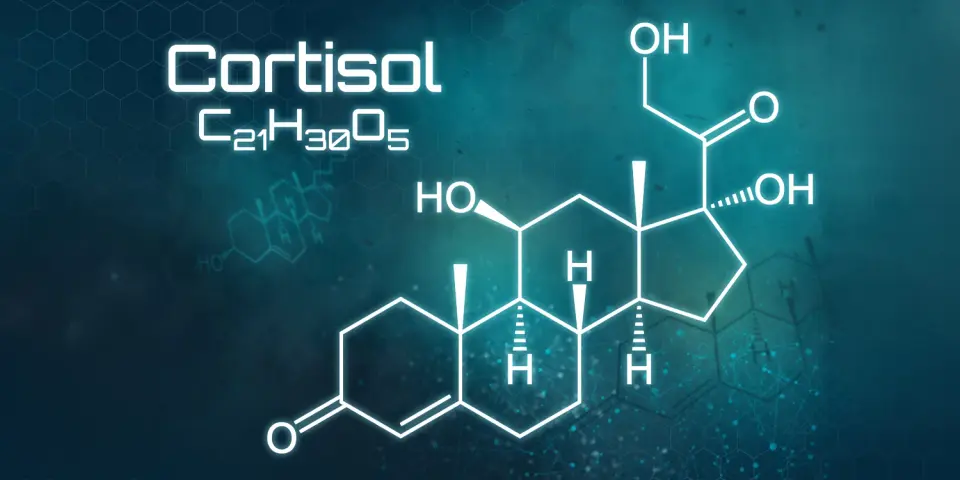
A new clinical trial suggests that ketamine’s rapid reduction of suicidal thoughts in depressed patients is linked to a significant increase in morning cortisol levels 24 hours after treatment. While the hormonal boost coincides with clinical improvement, the study notes that the correlation with reduced suicidal ideation is not statistically significant, and the findings are preliminary.
Key points
- A randomized controlled trial involving 80 adults with major depression and active suicidal ideation found that a single subanesthetic dose of ketamine increased waking cortisol levels by 24 hours.
- The ketamine group’s normalized waking cortisol rose from an average of 0.42 to 0.80, whereas the midazolam control group’s levels decreased slightly from 0.97 to 0.77.
- The cortisol increase occurred well after ketamine’s acute dissociative effects had resolved, suggesting a sustained interaction with the body’s stress response system.
- While the cortisol rise correlated with a moderate effect size, the link to decreased suicidal thoughts was small and not statistically significant, and no correlation was found with overall depression severity.
- Researchers caution that the study’s limited saliva sampling and lack of sleep monitoring prevent definitive causal conclusions, though the findings challenge the traditional view that depression is associated with hyper-cortisol states.
Background
This research builds on prior findings that regular cannabis use is also linked to higher morning cortisol, though without the same acute clinical benefits. It also contrasts with general wellness advice that emphasizes keeping cortisol balanced to avoid chronic stress-related inflammation, highlighting that in severe depression, a moderate restoration of cortisol may actually support stress resilience and executive function.
Why it matters
Understanding the biological mechanisms behind ketamine’s rapid antidepressant effects could lead to more targeted treatments for suicidal depression. If cortisol modulation is a key factor, future therapies might focus on optimizing stress-response systems rather than just blocking neurotransmitters, potentially improving outcomes for patients who do not respond to traditional antidepressants.
What to watch
The research team plans further studies to investigate the preventive effects of ketamine on the stress-response system. Future trials will likely include continuous sleep tracking and more frequent cortisol sampling to untangle the interactions between circadian rhythms, hormonal changes, and rapid antidepressant effects.
Want the full story? Read the original reporting
Read on PsyPost