
Merck’s Lipfendra becomes first oral PCSK9 inhibitor, reshaping cholesterol care
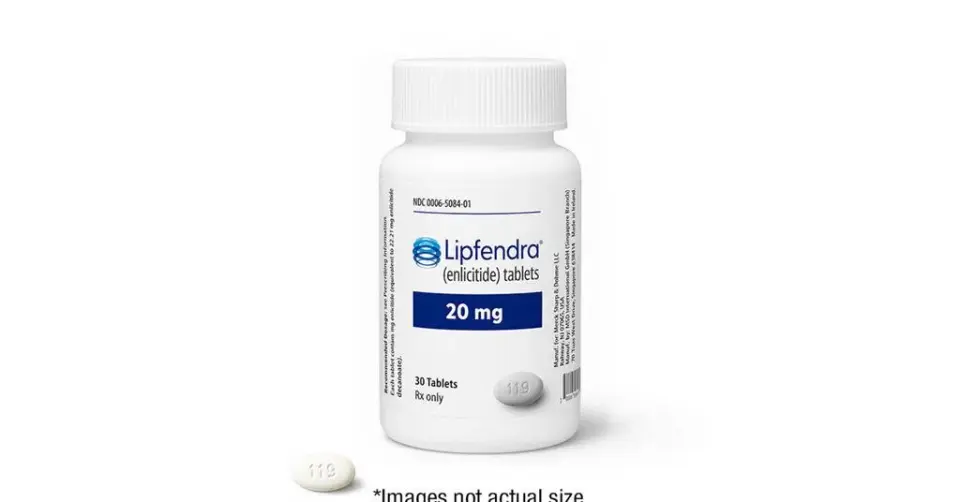
The FDA has approved Merck’s Lipfendra (enlicitide), the first oral PCSK9 inhibitor, after a decade of development. This macrocyclic peptide lowers LDL cholesterol by nearly 60% and offers an alternative to injectable treatments for patients whose statin therapy is insufficient. While it requires fasting before and after dosing, experts believe its pill format may improve access compared to injections. Merck aims to expand the market, which currently has low penetration, rather than just compete with existing injectables.
Key points
- FDA approved Lipfendra on July 16, 2026, under the Commissioner’s National Priority Voucher program.
- Lipfendra is a macrocyclic peptide that lowers LDL-C by 56-59% in clinical trials.
- It is the first oral PCSK9 inhibitor, competing with injectables like Praluent and Repatha.
- Patients must take it on an empty stomach and fast for 30 minutes afterward.
- Merck set the list price at $315 per month, roughly half the cost of injectables.
- The drug is approved for adults with high cholesterol or heterozygous familial hypercholesterolemia.
Background
Cholesterol management has evolved significantly, with statins remaining the first-line treatment for over half of U.S. adults under new guidelines. Injectable PCSK9 inhibitors like Praluent and Repatha have been on the market since 2015, but faced reimbursement hurdles. Novartis’s Leqvio, a biannual siRNA therapy, reached blockbuster status recently. Lipfendra’s approval adds a new oral option to this landscape, potentially improving access for patients who cannot achieve target LDL levels with statins alone.
How outlets are covering it
Chemistry World highlights the scientific breakthrough of using a macrocyclic peptide to overcome the limitations of small molecules, emphasizing the decade-long development and biocatalytic synthesis. Fierce Pharma focuses on the commercial strategy, noting Merck’s aim to expand the market rather than just compete, and the FDA’s use of Lipfendra as a poster child for the CNPV program. Healthline and Medical News Today provide patient-focused details, such as the 56-59% LDL reduction and the fasting requirement, while cautioning that outcomes trials are still pending. Preventative cardiologist Michael Shapiro notes that while Lipfendra is exciting, it is an incremental step compared to future systemic prevention approaches. Novartis CEO Vas Narasimhan dismisses Lipfendra as a threat to Leqvio, emphasizing the continued demand for infrequently administered injectables.
Why it matters
Lipfendra’s approval marks a significant shift in cholesterol treatment, offering a more accessible oral option for patients who do not achieve target LDL levels with statins. Its lower cost and pill format may improve uptake among general practitioners, potentially expanding the market for PCSK9 inhibitors. However, the fasting requirement and lack of long-term cardiovascular outcomes data remain considerations. As cardiovascular disease remains the leading cause of death, new therapies like Lipfendra are crucial for reducing risk, though broader systemic changes in prevention and adherence are still needed.
What to watch
Merck is planning to combine Lipfendra with rosuvastatin and its Lp(a) candidate MK-7262 to enhance LDL reduction. The company expects to launch the drug before adding it to the TrumpRx platform. Outcomes trials for Lipfendra are expected to report results in 2029. Meanwhile, Novartis is preparing to read out cardiovascular outcomes trials for Leqvio next year. The broader landscape of cholesterol therapy is expected to evolve with more innovative approaches, including potential once-in-a-lifetime treatments, though these are years away.
- Oral cholesterol-lowering peptide approved after a decade in development Chemistry World
- As FDA makes Lipfendra poster child of CNPV pilot, Merck charts long-term path for first PCSK9 pill Fierce Pharma
- How Lipfendra, Inclisiran, and New Guidelines Are Changing Cholesterol Management Healthline
- Lipfendra vs statins: How these cholesterol-lowering drugs compare Medical News Today
- Cardiologists Weigh Where the First Oral PCSK9 Pill Fits Now That the FDA Has Approved It Medical Daily
Want the full story? Read the original reporting
Read on Chemistry World