
New Research Links 23% of Severe Depression Cases to Circadian Rhythm Disruption
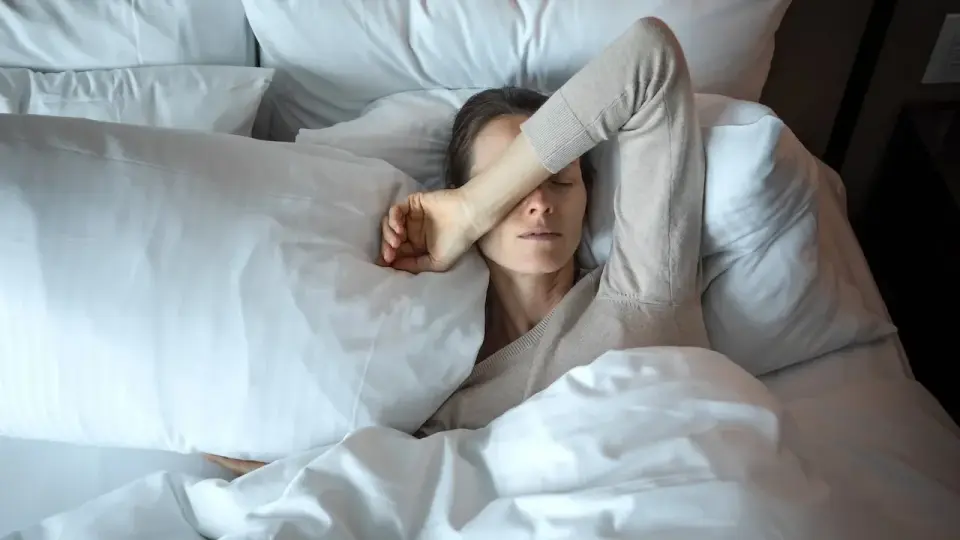
A large Australian study identifies a proposed subtype of depression linked to disrupted internal body clocks, affecting nearly a quarter of patients with severe or recurring depression. This 'circadian depression' is associated with poor responses to standard antidepressants and may benefit from treatments targeting sleep rhythms, such as light therapy.
Key points
- A study of 11,380 Australian adults found that 23% met criteria for 'circadian depression,' characterized by evening preferences, excessive sleep, and social jetlag.
- Individuals with this profile reported earlier onset, higher severity, and more side effects from SSRIs and SNRIs compared to other depression subtypes.
- Researchers suggest that circadian-focused interventions, including light therapy and melatonin, may be more effective for this group, though the study did not test these treatments directly.
- The findings are preliminary, based on self-reported data from participants of European ancestry, and do not establish a causal link between sleep disruption and depression.
- The proposed subtype overlaps with atypical and bipolar depression but is defined specifically by sleep-wake and circadian features.
Background
This story builds on earlier coverage from our archive, which first reported on the University of Sydney study in late October 2026. Previous articles highlighted the 23% prevalence rate and the potential for personalized treatment based on biological rhythms. The current briefing expands on these initial reports by incorporating additional perspectives on the limitations of the study and the broader context of circadian rhythm research.
How outlets are covering it
Fox News and SciTechDaily emphasize the potential for personalized treatment, highlighting that circadian depression may respond better to light therapy and melatonin than standard antidepressants. The Shillong Times and Nautilus provide a more cautious perspective, noting that the study is cross-sectional and cannot establish causality. They also point out that the participants were of European ancestry, limiting the generalizability of the findings. Nautilus further discusses the broader impact of circadian disruption on mood, independent of depression, and suggests that lifestyle changes like regular sleep schedules and morning light exposure may help maintain circadian alignment. All sources agree that the findings are preliminary and require further replication and study.
Why it matters
Understanding the role of circadian rhythms in depression could lead to more effective and personalized treatments for a significant subset of patients. If circadian depression is confirmed as a distinct subtype, clinicians may be able to identify patients who are less likely to benefit from standard antidepressants and instead offer circadian-focused interventions. This could improve treatment outcomes and reduce the burden of side effects for patients with severe or recurring depression.
What to watch
Researchers plan to conduct further studies to replicate the findings and test the efficacy of circadian-focused treatments, such as light therapy and melatonin, in patients with circadian depression. They also aim to include more diverse populations and examine the long-term effects of circadian disruption on mental health. Additionally, there is a need for more research to establish whether circadian disruption causes depression or results from it, and to determine the best lifestyle interventions for maintaining circadian alignment.
- Certain sleep habits could offer clues to hidden type of depression, scientists say Fox News
- Scientists Discover a New Type of Depression That Common Antidepressants May Miss SciTechDaily
- How Your Body Clock Affects Your Mental Health and Ways to Keep It in Sync Nautilus | Science Connected
- Body clocks could personalise depression treatment The Shillong Times
- Is Your Patient’s Depression Really a Body-Clock Problem? Medscape
Want the full story? Read the original reporting
Read on Fox News