Tag

University Of Sydney

All articles tagged with #university of sydney

New Research Links 23% of Severe Depression Cases to Circadian Rhythm Disruption
health-and-science16 days ago

New Research Links 23% of Severe Depression Cases to Circadian Rhythm Disruption

A large Australian study identifies a proposed subtype of depression linked to disrupted internal body clocks, affecting nearly a quarter of patients with severe or recurring depression. This 'circadian depression' is associated with poor responses to standard antidepressants and may benefit from treatments targeting sleep rhythms, such as light therapy.


Sydney Study Links 25% of Severe Depression to Circadian Rhythm Disruption
health21 days ago

Sydney Study Links 25% of Severe Depression to Circadian Rhythm Disruption

A new study from the University of Sydney identifies 'circadian depression' as a distinct subtype affecting nearly a quarter of patients with severe, recurrent depression. This condition is characterized by disrupted sleep patterns and poor response to standard antidepressants, suggesting that treatments targeting the body’s internal clock, such as light therapy, may be more effective. While preliminary, the findings highlight the need for personalized mental health care based on biological rhythms.

Sydney researchers link 23% of severe depression cases to body clock disruptions
health1 month ago

Sydney researchers link 23% of severe depression cases to body clock disruptions

A large Australian study identifies a distinct subtype of depression driven by disrupted body clocks, affecting nearly a quarter of patients with severe, recurrent cases. This 'circadian depression' is associated with earlier onset, higher suicide risk, and poor response to standard antidepressants, suggesting that light therapy and melatonin may be more effective treatments.

Sydney Study: Four-Week Diet Shifts Lower Biological Age Markers in Older Adults
health-and-science2 months ago

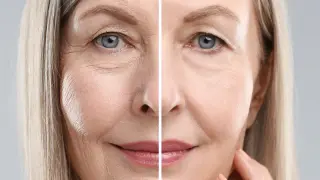
Sydney Study: Four-Week Diet Shifts Lower Biological Age Markers in Older Adults

A University of Sydney study found that older adults aged 65-75 could lower their estimated biological age within four weeks by altering dietary fat or protein sources. While an omnivorous high-carbohydrate diet showed the strongest results, researchers caution that these biomarker changes do not prove permanent aging reversal or reduced disease risk.

Lab-made cosmic dust sheds light on life's beginnings
science9 months ago

Lab-made cosmic dust sheds light on life's beginnings

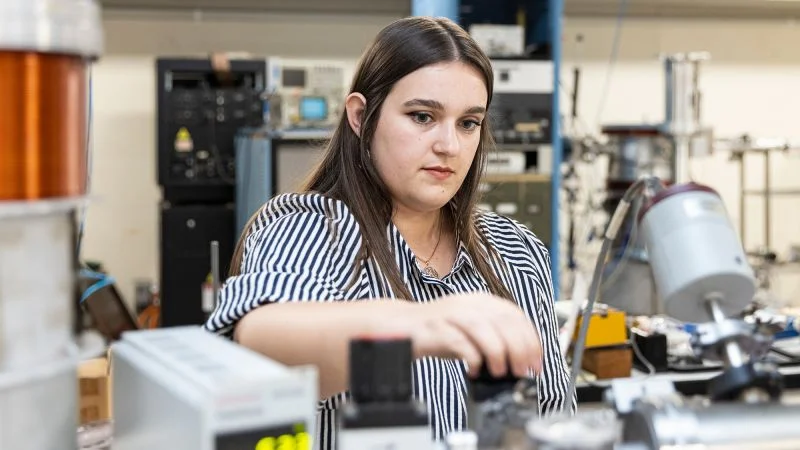
A University of Sydney doctoral student creates tiny cosmic-dust analogues in the lab by exciting a mix of nitrogen, carbon dioxide and acetylene with 10,000 volts of electricity, reproducing conditions around stars to study how dust catalyzes organic molecules and potentially seeded life; the team aims to build a database of dust types to compare with meteorites and astronomical observations.

"Unlocking Broccoli's Anti-Cancer Compound for Unexpected Health Benefits"
health2 years ago

"Unlocking Broccoli's Anti-Cancer Compound for Unexpected Health Benefits"

Researchers from the University of Sydney have found that a compound called sulforaphane (SFN) found in broccoli and other cruciferous vegetables could potentially prevent and treat blood clots that lead to strokes. SFN was found to slow platelet clumping and impede clot formation, and when combined with clot-busting medication, it increased success rates in mice. This natural compound shows promise in reducing stroke risk without causing bleeding, and further studies are needed to explore its potential health benefits.

"Unveiling Dark Matter's Secrets: Downloading NASA's Data from Above the Clouds"
science-and-technology3 years ago

"Unveiling Dark Matter's Secrets: Downloading NASA's Data from Above the Clouds"

Scientists at the University of Sydney have developed a Data Recovery System that successfully retrieved gigabytes of data from a NASA mission to map dark matter around galaxy clusters. The system was used after communication failed and the balloon-based telescope was damaged during landing. The recovery packages, containing over 200 gigabytes of information, including a map of dark matter and space photos, descended by parachute and landed safely. The study provides instructions to build the Data Recovery System and highlights its importance in salvaging data in worst-case scenarios. The success of the system has led NASA to consider producing these packages for other science missions.