
Research into fatal pediatric brain tumors halted by funding cuts
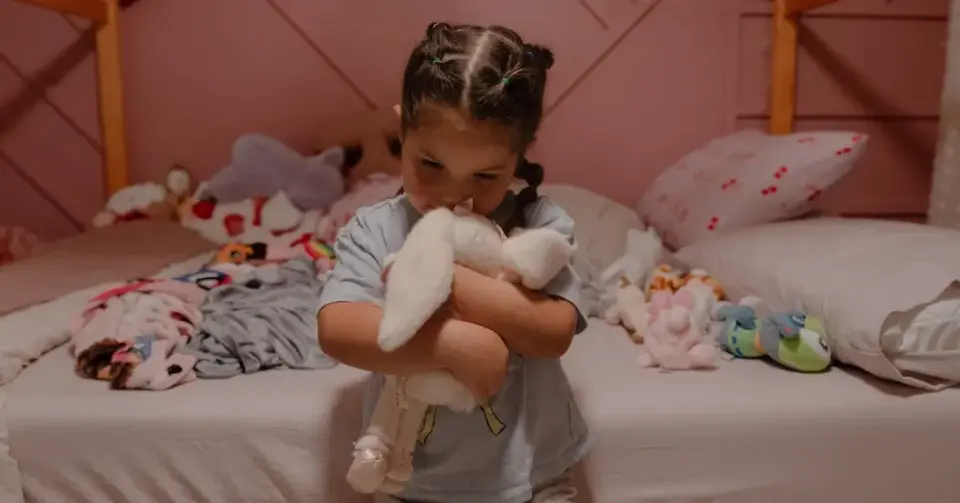
The New York Times reports that research into a specific, rapidly fatal childhood brain cancer has stalled for one year due to disruptions in scientific funding and policy under the current administration. The article highlights the case of Ryleigh Schecter, a five-year-old girl from Twinsburg, Ohio, diagnosed this year with an incurable tumor. While the piece focuses on the personal impact of the disease, it frames the delay in medical progress as part of a broader 'Science Under Siege' narrative, suggesting that federal policy changes have directly impeded the development of treatments for children who often succumb to the disease within twelve months.
Key points
- Ryleigh Schecter, age 5, was diagnosed this year with an incurable brain tumor.
- The specific type of cancer discussed typically kills children within one year of diagnosis.
- Research into this condition has been stalled for one year, coinciding with broader disruptions to scientific discovery.
- The New York Times frames this delay as part of a series examining the impact of current administration policies on science.
- The article uses the Schecter family’s experience to illustrate the human cost of halted medical progress.
Background
This report aligns with a broader trend of scrutiny regarding federal support for scientific research and public health initiatives. While previous archive entries focused on unrelated topics such as creativity studies, infrastructure failures, and international humanitarian crises, the current story highlights a domestic policy-driven impact on medical innovation. The emphasis on 'Science Under Siege' suggests a significant shift in how federal funding and regulatory environments affect critical health research, particularly for vulnerable populations like children with terminal diagnoses.
Why it matters
The stall in research for a cancer that kills children within a year represents a direct threat to patient outcomes and highlights the fragility of scientific progress under shifting political priorities. When funding or regulatory support for critical medical studies is interrupted, the consequences are immediate and severe for families facing incurable diagnoses. This case underscores the long-term risks of destabilizing the scientific establishment, where delays in discovery can translate into preventable loss of life for the most vulnerable patients.
What to watch
The article does not specify immediate next steps for the Schecter family or the specific research project, but the framing implies ongoing scrutiny of federal science policy. Readers should expect continued coverage of how administrative decisions impact medical research timelines and potential legislative or public responses to the 'Science Under Siege' narrative.
Want the full story? Read the original reporting
Read on The New York Times