
Delaware Relies on Sentinel Chickens to Track Early West Nile Virus Surge
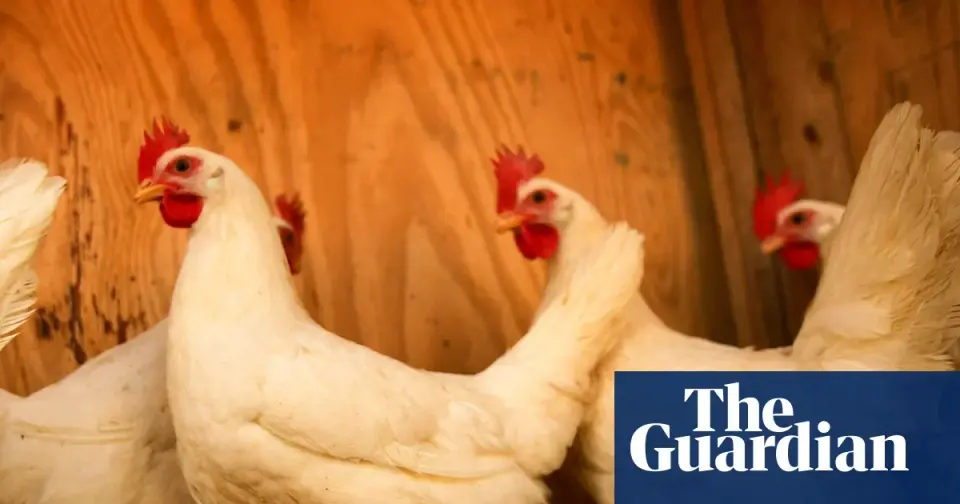
As West Nile virus cases rise earlier than usual across the US, Delaware is using sentinel chickens to detect viral activity before it spreads to humans. These birds act as early warning indicators, allowing officials to target mosquito control efforts precisely. The program, which began in the 1980s, remains a cost-effective and accurate method for monitoring disease trends, despite newer technologies like mosquito pooling.
Key points
- The CDC warned in July that West Nile transmission started unusually early in some US states, with the highest early-summer case counts since 2004.
- Delaware maintains flocks of four chickens at 20 locations statewide to monitor for West Nile and Eastern equine encephalitis.
- Chickens are 'dead-end hosts'; they can test positive for viruses but cannot transmit them, making them ideal sentinels.
- The program began in the early 1980s and is described by officials as an 'old-school gold standard' for disease detection.
- Chickens provide more precise geographic data than mosquito pools because they do not fly away, allowing for targeted public health responses.
- Data from these chickens helps build predictive models for future virus activity by linking environmental factors to infection patterns.
Background
Recent months have seen a significant increase in West Nile virus cases and deaths across the US, including in North Dakota, Chicago, Massachusetts, and Los Angeles. These regions have reported hospitalizations and fatalities, particularly among older adults and those with weakened immune systems. Public health officials have urged residents to use repellents and eliminate standing water as mosquito activity remains high. The current surge highlights the importance of early detection systems like Delaware’s sentinel chicken program to mitigate human transmission.
Why it matters
Early detection of mosquito-borne viruses is critical for preventing human outbreaks. Sentinel chickens offer a reliable, low-cost method to identify viral activity weeks before human cases appear. This allows health departments to implement targeted mosquito control and public warnings, potentially reducing the severity of the season. The data collected also aids in predicting future trends by analyzing environmental correlations, helping communities prepare for emerging threats.
What to watch
Officials will continue monitoring sentinel chickens throughout the season to track virus activity. If new mosquito-borne illnesses emerge, such as St Louis encephalitis, the program can quickly adapt testing protocols. Researchers will continue using the accumulated data to refine predictive models, aiming to forecast virus severity based on environmental conditions like temperature and precipitation.
Want the full story? Read the original reporting
Read on The Guardian