Tag

Entomology

All articles tagged with #entomology

science22 days ago

Study Reveals Mosquito Species Target Distinct Human Scent Profiles, Not Universal Types

Researchers at Florida International University found that three major disease-carrying mosquito species are attracted to different people based on unique skin chemistry and microbiome signatures, rather than a universal set of traits. In a study of 119 volunteers, no individual was attractive to all three species, challenging the idea that some people are universally prone to bites. This suggests future repellents could be tailored to specific species rather than using a one-size-fits-all approach.
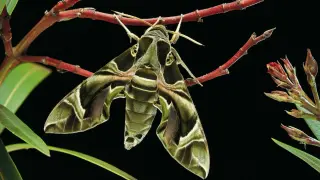
Hawkmoths Reinvent Genital Sonar Jamming Seven Times to Evade Bats
science22 days ago

Hawkmoths Reinvent Genital Sonar Jamming Seven Times to Evade Bats

Research led by Paul Masonick reveals that male hawkmoths have independently evolved the ability to produce ultrasonic sounds using their genital structures at least seven times over 30 million years. These sounds, generated through stridulation, serve to disrupt bat echolocation or startle predators. The study identifies three distinct anatomical mechanisms for this sound production, highlighting a repeated evolutionary solution to a specific predator-prey dynamic.

science1 month ago

New Study Frames Honey Bee Colonies as Single Superorganisms with Distinct Life Cycles

Researchers from Lund University and the University of Oulu argue that honey bee colonies function as single biological organisms rather than mere societies. Published in Insectes Sociaux, the study suggests colonies undergo distinct developmental stages, age, and die like mammals. This perspective implies that common beekeeping practices, such as replacing queens or preventing swarming, may disrupt natural reproductive cycles and parasite resistance, potentially requiring a shift in how beekeepers manage hive health and longevity.

New Zealand’s heaviest insect recovers after 11,000 releases
science1 month ago

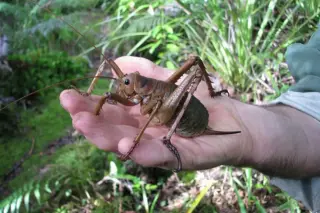
New Zealand’s heaviest insect recovers after 11,000 releases

The wētāpunga, the world’s heaviest insect, has recovered from near-extinction in New Zealand following a 15-year breeding program that released over 11,000 individuals into the wild. Conservationists at Butterfly Creek and Auckland Zoo developed specialized feeding techniques to raise nymphs, leading to self-sustaining populations on predator-free islands. The species’ status has improved from 'Endangered' to 'Nationally Increasing,' with researchers now applying these methods to other threatened invertebrates.

Australian Stick Insect Revision Reveals Five Species, Not Two
science1 month ago

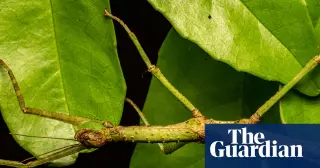
Australian Stick Insect Revision Reveals Five Species, Not Two

A University of Sydney team reclassified Australian stick insects in the genus Anchiale, identifying five distinct species where only two were previously recognized. The study describes two new species, including one with unique 'lidded' eggs, and corrects a decades-long misidentification. These findings highlight hidden biodiversity in well-studied regions and offer practical benefits for managing insect outbreaks in forestry and agriculture.

Butterflies Use Wing Patterns to Create Motion Illusions That Confuse Predators
science1 month ago

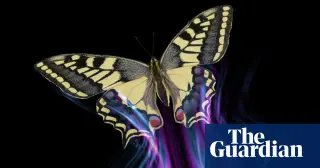
Butterflies Use Wing Patterns to Create Motion Illusions That Confuse Predators

New research published in Nature reveals that butterflies evade predators not through camouflage, but by creating motion illusions. Researchers from the University of Exeter and Essex found that wing patterns, combined with flight dynamics, scramble a predator's perception of speed and direction, similar to a barber pole effect. This 'motion dazzle' causes birds to miss their targets or strike non-vital areas. The study suggests this mechanism is widespread in nature and may explain why brightly colored butterflies survive despite being visible.

Australian researchers reveal five distinct stick insect species hidden within two known names
science2 months ago

Australian researchers reveal five distinct stick insect species hidden within two known names

A University of Sydney team has identified two new stick insect species and restored a third to full status in Queensland, revealing that what were thought to be two species are actually five distinct lineages. The discovery, published in Austral Entomology, highlights significant gaps in insect diversity knowledge despite extensive citizen science data.

Boy’s Observation Reveals Ants Transporting Wasp Galls, Correcting Century-Old Biology Textbooks
science2 months ago

Boy’s Observation Reveals Ants Transporting Wasp Galls, Correcting Century-Old Biology Textbooks

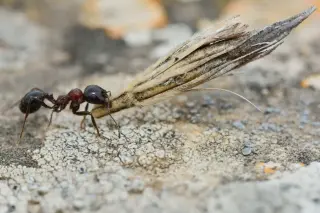
An eight-year-old boy in Pennsylvania noticed ants carrying pale objects he assumed were seeds. His father, a Penn State entomologist, identified them as oak galls produced by cynipid wasps. Researchers confirmed that ants transport these galls to their nests, eat the fatty caps, and leave the wasp larvae intact. This behavior mimics myrmecochory but benefits the wasp, not the plant, correcting a century-old biological understanding.

Delaware Relies on Sentinel Chickens to Track Early West Nile Virus Surge
health-and-science2 months ago

Delaware Relies on Sentinel Chickens to Track Early West Nile Virus Surge

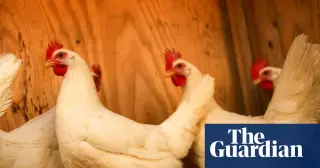
As West Nile virus cases rise earlier than usual across the US, Delaware is using sentinel chickens to detect viral activity before it spreads to humans. These birds act as early warning indicators, allowing officials to target mosquito control efforts precisely. The program, which began in the 1980s, remains a cost-effective and accurate method for monitoring disease trends, despite newer technologies like mosquito pooling.

German DNA census reveals 10,803 insect species, hinting at 32,000 total
science2 months ago

German DNA census reveals 10,803 insect species, hinting at 32,000 total

A nationwide German study used DNA metabarcoding on insect trap samples to identify 10,803 species, with statistical models suggesting the data captures evidence for nearly 32,000 species. The research highlights that many species remain unidentified due to missing reference DNA barcodes rather than insufficient sampling, offering a scalable method to track insect decline.

Why Mosquitoes Target Specific People: The Science of Blood Type, Heat, and CO2
health2 months ago

Why Mosquitoes Target Specific People: The Science of Blood Type, Heat, and CO2

Mosquitoes are not random in their targeting; they rely on a combination of biological and environmental cues to select hosts. According to HuffPost, factors such as blood type, metabolic rate, body heat, and clothing color significantly influence bite frequency. While some individuals are naturally more attractive to these insects due to genetics or lifestyle choices, effective prevention strategies exist. Experts recommend avoiding peak activity times, wearing light-colored clothing, and using EPA-approved repellents like DEET to minimize exposure. Understanding these cues can help individuals reduce their risk of bites and associated health issues.