
South Florida Cat Crisis: New FPV Strain Kills Adults and Kittens
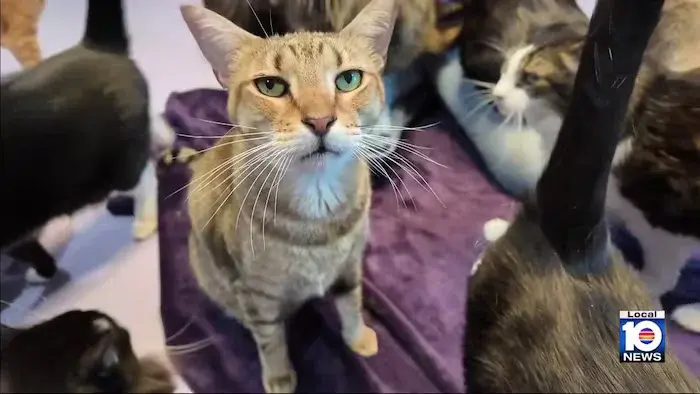
A highly virulent strain of feline panleukopenia (FPV) is causing a severe outbreak in South Florida, leading to high mortality rates among both kittens and adult cats. While the virus has historically primarily affected young cats, this new strain is killing adults, overwhelming local shelters and rescue organizations. Miami-Dade County has reported 216 cases this year, and Broward County has placed multiple cat rooms under quarantine. Experts attribute the spread to high temperatures, cat overpopulation, and low vaccination rates. There is no cure, only supportive care, and the virus can survive in the environment for over a year. Vaccination remains the primary defense, with some rescues offering low-cost shots to mitigate the crisis.
Key points
- A new, more virulent strain of feline panleukopenia (FPV) is spreading rapidly across South Florida, causing deaths in adult cats, a demographic previously less affected.
- Miami-Dade Animal Services has recorded 216 cases this year, while Broward County has quarantined 8-10 cat rooms due to exposure.
- The virus has a short incubation period of two to seven days, allowing it to spread before symptoms appear, and can survive in the environment for over a year.
- Symptoms include loss of appetite, dehydration, vomiting, diarrhea, and lethargy, with many cats dying within 24 to 48 hours of showing signs.
- Experts link the outbreak to South Florida's high temperatures, significant cat overpopulation, and a lack of vaccination among feral and outdoor cats.
- There is no cure for FPV; treatment is limited to supportive care. Vaccination is the only effective prevention method, requiring three initial shots and annual boosters for adults.
Background
This outbreak follows a broader trend of zoonotic and animal disease surveillance in 2026. Earlier this year, a transmissible cancer was identified in brown bullhead fish in Lake Memphremagog, highlighting the potential for infectious diseases to spread across species. Additionally, a major Ebola outbreak in Congo, which reached 2,000 deaths by August, underscored the global challenges in managing fast-spreading viral outbreaks. In the US, Sacramento's deployment of sterile mosquitoes to control disease-carrying insects demonstrated a proactive approach to preventing vector-borne diseases, contrasting with the reactive measures currently being taken for the FPV outbreak in Florida.
How outlets are covering it
Local 10 News (WPLG) emphasizes the emotional toll on rescue workers and the rapid, deadly nature of the new FPV strain, highlighting the need for immediate vaccination. The New Pelican focuses on the role of cat overpopulation and the importance of spaying and neutering to reduce the spread of the virus, noting that FPV is not limited to feral cats but also affects outdoor pets. WISN, covering a similar outbreak in Milwaukee, highlights the logistical challenges for animal shelters, such as MADACC, which are over capacity and have had to quarantine all cat rooms. The perspectives differ in their emphasis: WPLG and the New Pelican focus on the local impact and prevention through vaccination and population control, while WISN highlights the broader infrastructure strain on animal control facilities. All sources agree on the severity of the outbreak and the lack of a cure, but they differ in their specific recommendations for mitigation, with some focusing on vaccination and others on population management.
Why it matters
The FPV outbreak in South Florida highlights the critical importance of vaccination and population control in preventing the spread of highly contagious animal diseases. The virus's ability to survive in the environment for over a year and its short incubation period make it particularly dangerous, as it can spread before symptoms appear. The outbreak also underscores the need for better infrastructure and resources for animal shelters and rescue organizations, which are often overwhelmed during such crises. For pet owners, the outbreak serves as a reminder to keep their cats vaccinated and indoors to reduce the risk of exposure. For public health officials, the outbreak highlights the need for proactive measures to prevent the spread of animal diseases, including vaccination campaigns and population control programs.
What to watch
In the coming weeks, local authorities and rescue organizations will likely continue to monitor the outbreak and implement measures to contain the spread of FPV. This may include increased vaccination efforts, quarantine protocols for affected animals, and public education campaigns to raise awareness about the virus. Shelters and rescue organizations may also seek additional funding and resources to cope with the increased demand for care and treatment. In the long term, the outbreak may lead to changes in animal welfare policies and practices, including stricter regulations on cat ownership and more robust vaccination requirements. The situation will also depend on the effectiveness of current mitigation efforts and the potential for new strains of the virus to emerge.
- Deadly, contagious feline disease spreading throughout South Florida WPLG Local 10
- MADACC's cat kennels under quarantine as the shelter fights a highly contagious virus with no cure. WISN
- Hernando animal shelter suspends cat intake amid feline virus outbreak wtsp.com
- Cat owners, take heed; a deadly virus is spreading New Pelican
- Contagious cat virus outbreak puts MADACC kennels under quarantine Yahoo
Want the full story? Read the original reporting
Read on WPLG Local 10