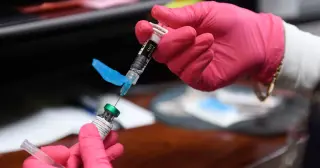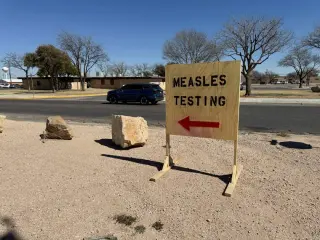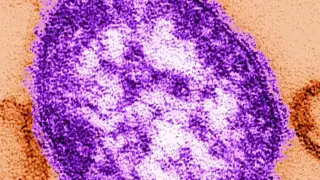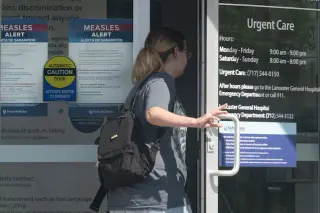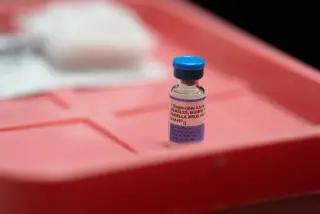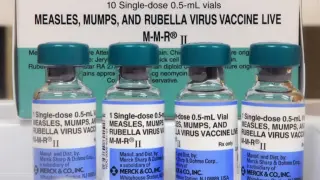
Health officials say Utah is the current epicenter of a nationwide measles outbreak, urging vaccination as cases rise and transmission remains highest in communities with lower immunization rates.
CDC and FDA investigations found about 180 cases of severe illness across 34 states linked to Diamond Shruumz mushroom-containing microdosing chocolate bars and similar products, with 73 hospitalizations, 38 ICU admissions, 29 intubations, and two deaths; larger doses increased severity, prompting a recall and a public warning that microdosing psychedelics can be dangerous.
Utah's measles outbreak has grown to 583 confirmed cases since last summer, expanding from rural, low‑vaccination communities near the Arizona border to the rest of the state. About 83% of cases are among unvaccinated people, with exposures at the University of Utah and in several high schools illustrating the virus's reach. Public‑health officials emphasize vaccination and discussions with doctors to counter misinformation, noting that severe illness can affect teens and children and that containment remains challenging as spring arrives.
An outbreak of bacterial meningitis (meningococcal group B) in Kent, England has killed two young adults (ages 18 and 21) and hospitalized 18 others. The cases appear linked to a nightclub and involve attendees from two universities, underscoring the higher risk for teens and people in their early 20s and the need for prompt medical treatment for suspected meningitis.
A large measles outbreak linked to Ave Maria University in Florida has spread into the town, with over 100 cases county-wide. The public health department’s communications have been inconsistent, prompting local leaders—including a former HHS official—along with the diocese and university to fill information gaps and promote vaccination. Experts warn that timely, transparent updates are crucial to curb spread, while questions linger about the official response and the visibility of case data to residents.
Meningitis cases in Kent have risen to 34 (23 confirmed, 11 under investigation) amid a widening outbreak that has killed two young people; five vaccination centres are operating, 5,841 people have been vaccinated, and over 11,000 have received antibiotics as authorities race to contain the spread.
UK health officials are scrambling to contain an unprecedented meningitis B outbreak linked to a Canterbury nightclub, with 29 cases and two deaths since early March; about 10,000 people have received antibiotics as investigators chase why the outbreak has accelerated and whether it will spread beyond Kent. Questions include when the outbreak will end, whether teenagers should be vaccinated with MenB given its cost, and whether factors like sharing vapes, Saharan dust, or Covid-era immunity gaps played a role; initial genetic testing suggests the strain resembles those in the UK since 2021 and should be vaccine-covered, but researchers will look for mutations that could alter spread or virulence.
Three travel-linked measles cases in Washtenaw County, tied to exposure in Florida, were confirmed; no local exposure sites yet, but officials warn transmission risk is rising as measles cases climb nationwide (more than 1,350 across 31 states). Health officials urge vaccination, noting two MMR doses offer about 97% protection while travel continues.
Measles is resurging in the United States, with more than 1,350 confirmed cases across 31 states since January, a surge health officials say is accelerated by spring break travel. South Carolina leads with 697 cases, followed by Utah (249), Texas (162), Florida (131), Arizona (56), and California (30). Michigan, linked to travel from Florida, has three cases in Washtenaw County, raising concerns about community transmission. Officials urge unvaccinated individuals or those unsure of their status to get immunized before travel and to contact a doctor if symptoms—fever, cough, runny nose, red eyes, and a distinctive rash—appear to prevent further spread.
UK health authorities are investigating an unprecedented meningococcal meningitis outbreak linked to Canterbury's Club Chemistry, with 27 suspected/confirmed cases and two deaths, many among University of Kent students. The infection spreads through close contact; authorities have opened clinics, distributed antibiotics, and are running vaccination efforts for students, while stressing that the overall public risk remains low as tracing continues.
The meningitis B vaccination programme in Kent has been expanded after a deadly outbreak linked to Club Chemistry in Canterbury, now covering anyone who attended the club between 5-15 March and related groups such as sixth formers with confirmed or probable cases. A new centre opens in Faversham with vaccines from 09:00, and another in Ashford, while NHS England says around 1,600 jabs had been given by Thursday evening. There are 27 confirmed or suspected cases and two deaths, and long queues at the University of Kent show the public response; officials emphasize the overall risk remains low and public health alerts continue.
Two deaths and about 20 confirmed or suspected meningitis cases have led to precautionary measures at the University of Kent, with students largely staying in their rooms, wearing masks, long queues for antibiotics, and vaccination efforts underway for around 5,000 students; authorities suspect a nightclub event as a possible source and warn more cases may follow.
An outbreak of meningococcal disease in Kent, southeast England has killed two and sickened about 20 young adults, with many cases linked to Canterbury's Club Chemistry. Close contacts and University of Kent housing residents have received precautionary antibiotics, and a targeted meningitis B vaccination program for campus students will be rolled out, though immunity takes about two weeks. Officials say the overall risk remains low for those without close contact.
An unusually rapid meningococcal B outbreak in Kent has produced about 20 cases since the weekend in a small area, with researchers split between unusually high transmission or a more invasive strain; at least 11 cases are linked to the Club Chemistry nightclub, prompting talk of a super-spreader event, while vaping, viral infections, and immunity gaps from Covid may also play a role; genetic analysis and ongoing investigations aim to identify drivers, and teens in the UK are not routinely vaccinated against MenB.
An explosive outbreak of invasive meningococcal disease linked to Canterbury’s Club Chemistry has reached 20 cases and two deaths as of 17 March, with the MenB strain confirmed. Health officials have launched antibiotics distribution and a targeted MenB vaccination program for University of Kent students living in halls, and JCVI may be asked to re-examine Teen MenB vaccination eligibility. UKHSA notes MenB accounts for about 80% of recent UK cases, and experts say the Canterbury outbreak’s pace and scale are unprecedented.