
Study Links Oral Microbiome Diversity to Cognitive Processing Speed in Healthy Adults
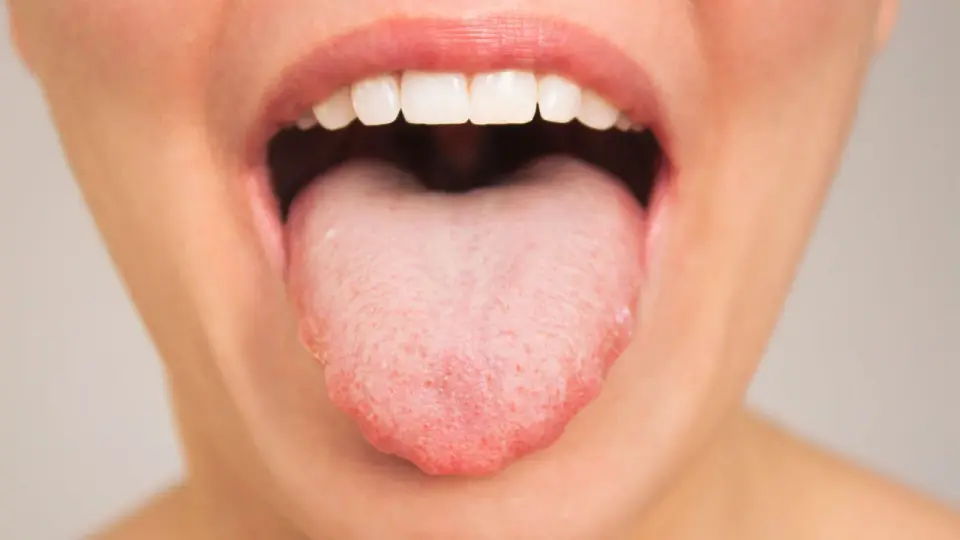
A new study in PLOS ONE suggests that specific bacteria on the tongue may correlate with how quickly healthy adults process information. Researchers found that higher levels of Prevotella histicola were associated with faster cognitive responses in both UK and Belgian participants. The study highlights the role of oral bacteria in converting dietary nitrates into nitric oxide, a molecule that supports blood vessel dilation. While age remained the strongest predictor of cognitive decline, these microbial associations offer a potential new avenue for understanding brain health.
Key points
- Researchers from the University of Exeter and Vrije Universiteit Brussel analyzed 60 healthy adults (30 in the UK, 30 in Belgium) to link tongue bacteria with cognitive test performance.
- Higher abundance of Prevotella histicola was consistently linked to faster response times on cognitive tasks in both countries.
- Haemophilus parainfluenzae showed mixed results: it was associated with better working memory in Belgium but slower emotion recognition in the UK.
- Age was the most consistent predictor of cognitive performance, with older participants generally scoring lower than younger ones.
- The study found 17 bacterial species differed between younger and older adults, including genera like Treponema and Tannerella, which are more common in older mouths.
- The research is observational; it does not prove that altering oral bacteria can improve cognition or prevent dementia.
Background
This research builds on a 2025 study by the same team that examined oral microbes and nitric oxide biomarkers in older adults with mild cognitive impairment. It also follows recent findings, such as a September 2026 study, which showed that beet juice could lower blood pressure by altering mouth bacteria to enhance nitric oxide production. Previous coverage also noted that diet, particularly nitrate-rich foods, significantly shapes the oral microbiome.
How outlets are covering it
ScienceAlert provides a detailed breakdown of the study's methodology, including the specific bacterial species identified and the limitations regarding sample size and lack of causal proof. It emphasizes the complexity of the nitrate-to-nitric oxide pathway. UkrMedia News, while largely obscured by technical code in the provided text, appears to focus on the headline finding regarding the link between tongue bacteria and thought speed, likely offering a more general summary of the research implications without the granular statistical details provided by ScienceAlert.
Why it matters
Understanding the connection between the oral microbiome and cognitive function could lead to new, non-invasive methods for monitoring brain health. If specific bacteria are confirmed to influence cognitive speed, dietary or probiotic interventions targeting the mouth could potentially support brain function in aging populations, complementing existing medical treatments.
What to watch
The authors of the study emphasize the need for larger, longitudinal studies to determine if these associations are causal or merely correlational. Future research will likely focus on whether manipulating oral bacteria through diet or probiotics can directly improve cognitive performance or slow age-related decline.
Want the full story? Read the original reporting
Read on ScienceAlert