
BC200: A Human Brain Gene That Retains Mobility and Infects Viruses
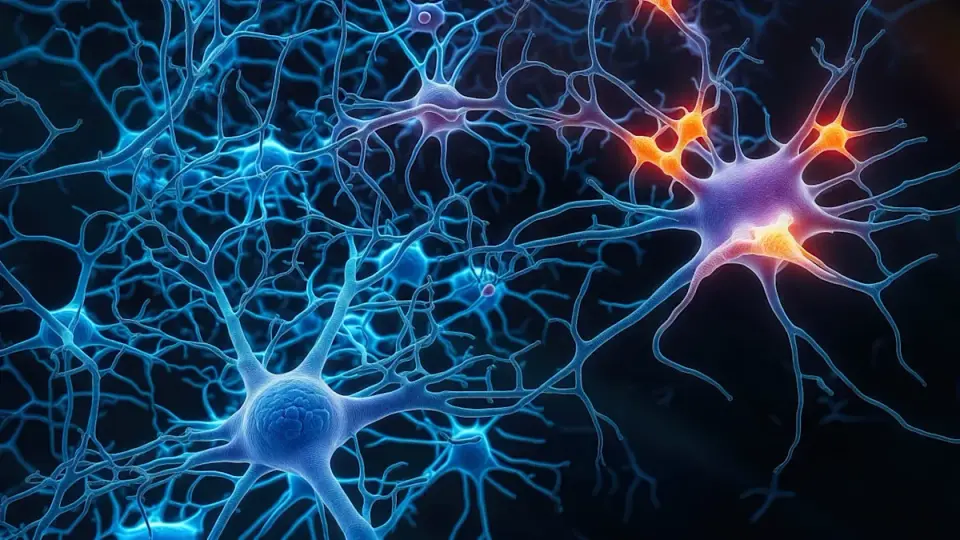
Researchers have identified BC200, a human gene that uniquely combines a stable cellular function in neurons with the ability to move and insert itself into other genomes. Published in Science, the study reveals that BC200 has jumped into the molluscum contagiosum virus and appears in diseased cells, challenging the assumption that functional genes lose their mobility.
Key points
- BC200 is the first known human gene to retain transposon-like mobility while serving a cellular role.
- The gene was found in the genome of the molluscum contagiosum virus, a benign poxvirus.
- BC200 is expressed in neurons and germ cells, potentially affecting brain function and inheritance.
- Abnormal levels of BC200 are linked to breast cancer and Alzheimer's disease.
Background
Previous research highlighted the importance of specific genes in brain development and repair, such as SRGAP2 in microglial maturation and flatworm regeneration pathways. The discovery of BC200 adds a new dimension to understanding how mobile genetic elements interact with human health and disease, following earlier findings on gene mobility and its implications for cellular function.
Why it matters
The discovery of BC200 challenges existing models of gene evolution and function. Its ability to move into viruses and diseased cells suggests potential roles in disease mechanisms, offering new avenues for research into cancer, neurodegeneration, and viral infections. Understanding how BC200 operates could lead to insights into preventing or treating conditions where gene mobility contributes to pathology.
What to watch
Researchers plan to investigate whether BC200 inserts itself into cancer cell genomes, potentially causing mutations. Further studies will aim to clarify its exact cellular function and its impact on diseases like Alzheimer's and breast cancer, as well as its interaction with poxviruses.
Want the full story? Read the original reporting
Read on Yahoo News Canada