Tag

Plos One

All articles tagged with #plos one

Fresh Mint, Fresh Data: Peppermint Oil Lowers Mild Hypertension in 20 Days
health-and-medicine2 hours ago

Fresh Mint, Fresh Data: Peppermint Oil Lowers Mild Hypertension in 20 Days

In a randomized trial, 40 adults with prehypertension or stage 1 hypertension took 100 microliters of peppermint oil twice daily for 20 days, reducing systolic blood pressure by an average of 8.5 mmHg versus placebo, suggesting peppermint oil could be a low-cost, well-tolerated option for mildly elevated blood pressure.

Cockroach Clusters Show Collective Memory Emerging From Social Ties
science26 days ago

Cockroach Clusters Show Collective Memory Emerging From Social Ties

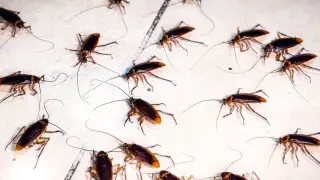
A study on American cockroaches finds that groups can exhibit a collective memory—staying with an original shelter after environmental changes—not because individuals remember, but due to social interactions and the group’s structure. When researchers swapped lighting between shelters, roaches already gathered in a spot tended to stay, and computer simulations showed this behavior can arise from simple, rule-based social dynamics. The work suggests collective memory may be common in animal groups that make decisions together.

Superworms as Safer, Faster Skeletal Cleaners for Museums
science1 month ago

Superworms as Safer, Faster Skeletal Cleaners for Museums

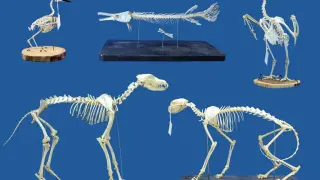
A team led by Fatemeh Rastekar tested the larvae of the common pet worm Zophobas morio (superworms) as an alternative to dermestid beetles for cleaning skeletal remains. They found an optimal ratio of 10–15 grams of larvae per gram of specimen, which minimized cleaning time without bone damage and offered easier containment since the larvae don’t pupate or escape in crowded conditions. The process involved initial flesh removal, feeding larvae fruit scraps, regular container rotation, and avoiding harsh bleach, with bones finally rinsed and lightly varnished for display. The results suggest superworms are a practical, adaptable option for museum and research skeletal preparation, performing comparably to beetles across tested specimens.

Ancient Sparks: Evidence Pushes Fire Use by Early Humans Back to Over 1 Million Years
science2 months ago

Ancient Sparks: Evidence Pushes Fire Use by Early Humans Back to Over 1 Million Years

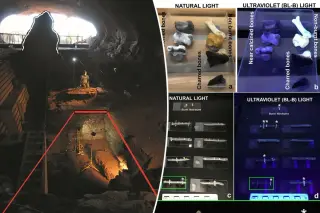
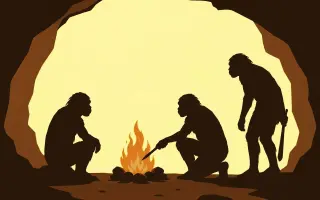
A non-invasive analysis of Wonderwerk Cave in South Africa finds burnt bones and heated remains dating from about 1.07 to 1.79 million years ago, likely linked to Homo erectus, well inside the cave rather than at the entrance. This suggests early humans actively used and possibly transported and maintained fire, pushing back the timeline for controlled fire use; researchers used bone fluorescence to distinguish true fire alteration from other changes, with findings published in PLOS One.

Ancient Ashes in South Africa Push Fire Use Back Nearly 2 Million Years
archaeology2 months ago

Ancient Ashes in South Africa Push Fire Use Back Nearly 2 Million Years

A study of Wonderwerk Cave in South Africa has found charred mammal bones dating to about 1.07–1.79 million years ago, potentially the oldest evidence of human fire use and pushing the timeline back by hundreds of thousands of years. The bones were dated using magnetostratigraphy and cosmogenic burial dating, and burn evidence was confirmed via bone luminescence. While not proving cooking or a defined pyrotechnology breakthrough, the findings suggest repeated fire use that could have shaped hominin behavior, ecology, and evolution during the early Acheulean era.

Ancient fire inside Wonderwerk Cave rewrites early human timeline
archaeology2 months ago

Ancient fire inside Wonderwerk Cave rewrites early human timeline

A new PLOS One study finds repeated burning in Wonderwerk Cave deposits dated to about 1.07–1.79 million years ago, among the oldest known records of hominin fire use. By analyzing 161 small-mammal bones with FTIR and bone luminescence, researchers detected heating deep inside the cave (at least 30 meters in) in distinct clusters, suggesting early Homo erectus populations carried and maintained fire for warmth, light, and protection—well before cooking became widespread.

Two-Week Supine Floor Routine Boosts Balance and Coordination
health3 months ago

Two-Week Supine Floor Routine Boosts Balance and Coordination

A two-experiment Japanese study in PLOS One found that 10 minutes of daily supine floor exercises over two weeks improved standing balance, side-to-side agility, and trunk flexibility in healthy young adults, suggesting better core–lower‑body coordination from a low-load routine. Experts note small sample sizes and short duration limit real-world impact, and say it’s not a replacement for full workouts, but may have rehab or aging applications when done with proper technique and ideally in the morning.

Ancient Coastal Footprints on Calvert Island Hint at Early Pacific Migration
science5 months ago

Ancient Coastal Footprints on Calvert Island Hint at Early Pacific Migration

Researchers found 29 distinct footprints dating to about 13,000 years ago on Calvert Island, likely from three individuals walking barefoot along the shoreline; the prints are clustered and mostly inland-facing, suggesting a gathering spot rather than a linear path and supporting the idea that early people used Pacific coastal routes to reach North America as sea levels were 6–9 feet lower. Excavation and analysis are ongoing, with findings published in PLOS One.

Smartphone Use on the Toilet May Increase Hemorrhoid Risk
health6 months ago

Smartphone Use on the Toilet May Increase Hemorrhoid Risk

A study of 125 adults undergoing routine colonoscopies found smartphone use while on the toilet was linked to a 46 percent higher risk of hemorrhoids after adjusting for age, activity, and fiber intake; phone users also tended to stay on the toilet longer, suggesting extended seated time may raise venous pressure in the rectal area, though more research is needed and clinicians may advise limiting bathroom time and keeping phones out of the bathroom.

PLOS One Flags Four Papers Overlapping Control Data
science1 year ago

PLOS One Flags Four Papers Overlapping Control Data

Four papers from Japanese researchers received expressions of concern from PLOS One due to overlapping control data and issues with microarray study design and analysis, raising questions about the reliability of their results, though some supporting data remain valid. The publisher concluded the investigation and published permanent notices, with related investigations ongoing at other journals.