
Study Links Ten Dietary Patterns to Slower Biological Aging via DNA Methylation
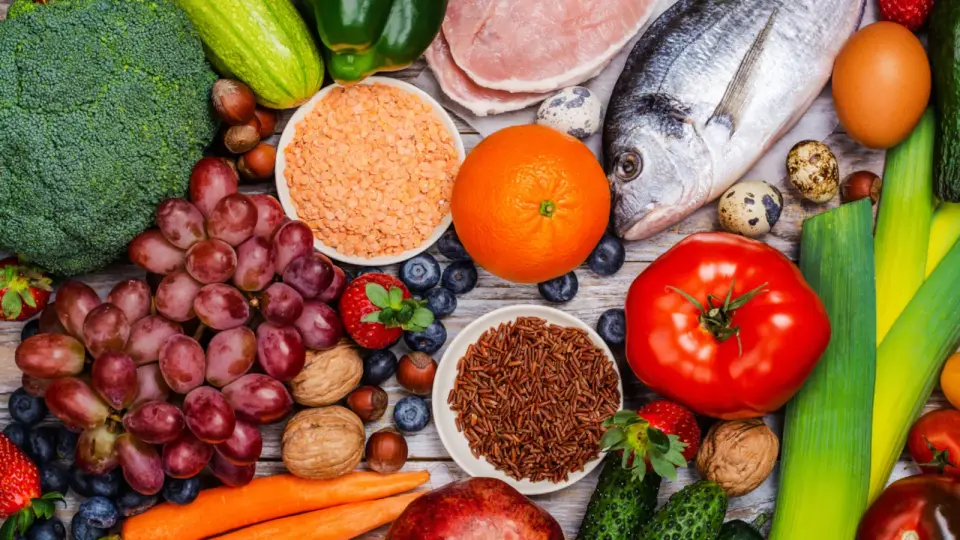
A new study published in Nature Communications finds that ten established dietary patterns, including Mediterranean, DASH, and Nordic diets, are associated with slower biological aging. Researchers analyzed 6,470 participants in Germany and found that higher adherence to healthy eating patterns correlates with lower biological age acceleration. While no single diet emerged as the definitive winner, all healthy patterns showed benefits, with over 70% of affected biological pathways overlapping across diets. The study suggests that overall diet quality matters more than strict adherence to one specific regimen.
Key points
- Researchers from the German Centre for Neurodegenerative Diseases analyzed data from 6,470 participants aged 30 to 95 in the Rhineland Study.
- The study evaluated ten dietary scores, including Mediterranean, DASH, MIND, Nordic, and various plant-based indices, alongside the Dietary Inflammatory Index.
- Higher scores on healthy diets were linked to lower biological age acceleration, while higher scores on unhealthful plant-based and inflammatory diets showed less favorable aging markers.
- DASH and Nordic diets showed the most consistent results across all three biological aging measures used in the analysis.
- Approximately 850,000 DNA methylation sites were examined, revealing that different diets influence distinct molecular markers but share over 70% of biological pathways related to cell structure, signaling, and metabolism.
Background
This finding aligns with previous coverage from September 2026, which highlighted that multiple healthy diets slow biological aging without a single 'best' option. It complements October 2026 reports on how shared healthy habits in relationships impact aging, and November 2026 advice on plant-based recipes for nutrition. The study adds to the broader discourse on biological aging mechanisms, including theories on coordination loss and epigenetic information, discussed in recent longevity research.
How outlets are covering it
NDTV Food and ScienceAlert emphasize the practical implication that individuals can choose any of several healthy diets to slow aging, noting that no single diet is superior. ScienceAlert highlights the measurable but modest effects of these diets on prevention. BBC Science Focus Magazine provides a broader theoretical context, discussing how aging may involve a loss of coordination between biological systems rather than just wear and tear, though it does not directly critique the dietary study. Men's Fitness focuses on individual habits like fasting and exercise, citing Dr. David Sinclair, but does not address the specific dietary patterns in the Nature Communications study. The outlets agree on the link between healthy eating and slower biological aging but differ in focus, with some emphasizing diet flexibility and others exploring underlying biological mechanisms or lifestyle interventions.
Why it matters
The study provides evidence that dietary choices can influence biological aging at a molecular level, offering a practical approach to reducing the risk of age-related diseases. By showing that multiple healthy diets share common biological pathways, it suggests that personalized dietary preferences can still yield significant health benefits, potentially reducing the burden of chronic diseases and improving longevity without requiring strict adherence to a single dietary regimen.
What to watch
Researchers plan to investigate diet-specific pathways for targeted dietary interventions, as suggested by the study's lead author. Future studies may explore how changes in diet over extended periods affect DNA methylation, moving beyond cross-sectional data. The findings may inform public health recommendations that emphasize overall diet quality rather than prescribing a single 'perfect' diet, allowing for cultural and personal preferences in healthy eating.
- Scientists Find 10 Healthy Diets That Can Slow Ageing Naturally NDTV Food
- Scientists Identified 10 Healthy Diets Linked to Slower Biological Aging ScienceAlert
- We may have finally found the real cause of ageing (and how to slow it) BBC Science Focus Magazine
- Can you reverse the effects of ageing after 50? Five essentials for longevity from a professor of genetics Men's Fitness
- This Everyday Habit May May Slow “Metabolic Aging,” Study Suggests Yahoo Health
Want the full story? Read the original reporting
Read on NDTV Food