
Utah Mink Farm Bird Flu Outbreak Highlights Regulatory Vacuum and Pandemic Risks
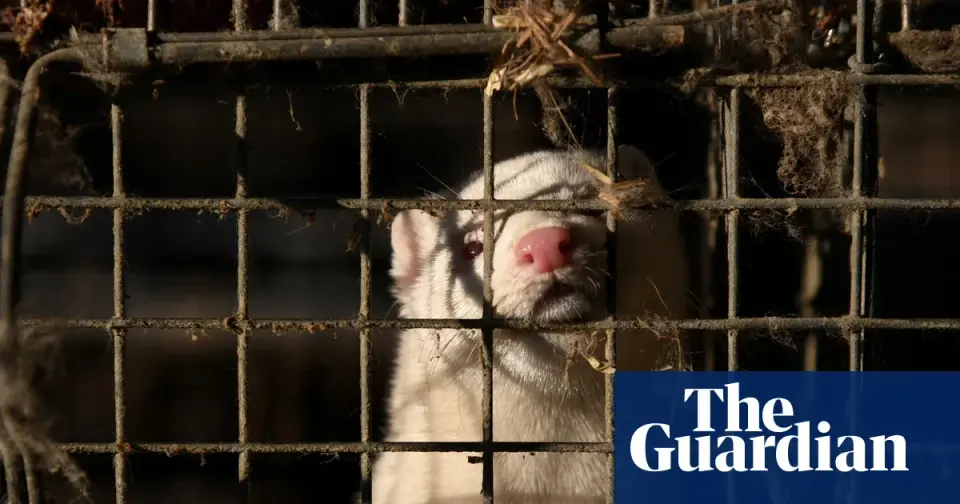
A two-month H5N1 outbreak at C&T Fenn Farms in Utah has gone uncontrolled due to a lack of federal culling mandates for mink. While the virus has killed a significant portion of the herd, state officials prioritized the farm owner’s financial interests over public health measures. Experts warn that mink share cellular receptors with humans, creating a potential 'petri dish' for viral mutation. Despite CDC guidance, Utah health departments did not monitor or test farm workers, including one with a red eye, a key symptom of infection. The incident has drawn sharp criticism from epidemiologists who argue that secrecy and inaction increase the risk of a human pandemic.
Key points
- H5N1 has ravaged a mink farm near Salt Lake City for two months, killing a large portion of the herd, but no culling order was issued because federal regulations do not cover mink.
- State veterinarian Amanda Price deferred to the farm owner, Chad Fenn, and a fur trade representative who argued that culling would destroy the business, rather than following international protocols for depopulation.
- Utah health officials declined to actively monitor or test farm workers for symptoms, citing a policy that only triggers action upon evidence of human-to-human transmission, despite CDC recommendations to test for red eyes.
- Mink airways contain cell receptors similar to those in human throats and noses, raising concerns that the virus could mutate or reassort with seasonal flu to become transmissible among humans.
- The outbreak was kept confidential to avoid alerting animal rights groups, with officials failing to share information with local health departments or conduct site inspections.
Background
This incident follows a 2020 COVID-19 outbreak at the same facility, where nearly 10,000 mink died and strict monitoring was implemented. Recent archive coverage from October 2026 noted that the current H5N1 outbreak has killed approximately 80% of the herd, exposing regulatory gaps. The current situation contrasts with the 2020 response, highlighting a shift toward less transparency and monitoring under the current administration, as noted by experts who previously participated in federal coordination calls.
How outlets are covering it
ProPublica and The Guardian emphasize the failure of 'one health' principles, arguing that officials prioritized the fur industry’s financial interests over public safety. ProPublica highlights that mink are a potential intermediate host for viral mutation, while The Guardian focuses on the broader lack of transparency and the Trump administration’s reduced engagement with disease experts. Respiratory Therapy cites CDC data showing 72 human H5N1 cases since 2024, mostly from dairy cows, but notes no human cases in Utah yet. All sources agree that the lack of culling and worker monitoring is unprecedented and dangerous, though they differ in emphasis: ProPublica focuses on the biological risk of mutation, while The Guardian highlights the political and regulatory opacity.
Why it matters
The outbreak demonstrates a critical gap in US biosecurity infrastructure. The absence of federal protocols for mink farms allows viruses to circulate in animals that are biologically similar to humans, increasing the risk of spillover. The decision to withhold information and avoid testing workers undermines public health surveillance and could allow a pandemic strain to emerge undetected. This case serves as a warning about the consequences of deprioritizing animal health in favor of economic interests, potentially setting a precedent for future viral outbreaks.
What to watch
State officials are awaiting new genetic samples from the farm to assess viral evolution. Experts are calling for immediate culling and worker testing to prevent spillover. The CDC may face increased scrutiny for its lack of direct communication with state veterinarians. If the virus mutates or reassorts with seasonal flu, the US could face a pandemic threat. The incident may lead to calls for updated federal regulations covering mink and other fur-bearing animals.
- Bird flu outbreak at Utah mink farm sparks concerns about government response The Guardian
- Bird Flu Is Raging on a Mink Farm. It Could Spark a Human Pandemic, Experts Say, but Officials Won’t Act. ProPublica
- Preliminary report on H5N1 highly pathogenic avian influenza in Utah mink, August 2026 Virological
- Mink Farm Outbreak Raises Alarm Over Potential Human Pandemic Threat DailyVoice.com
- Avian Flu Going Unchecked on Utah Mink Farm Respiratory Therapy
Want the full story? Read the original reporting
Read on The Guardian