
Historian’s Account: Caring for Ex-Husband with Parkinson’s and Lewy Body Dementia
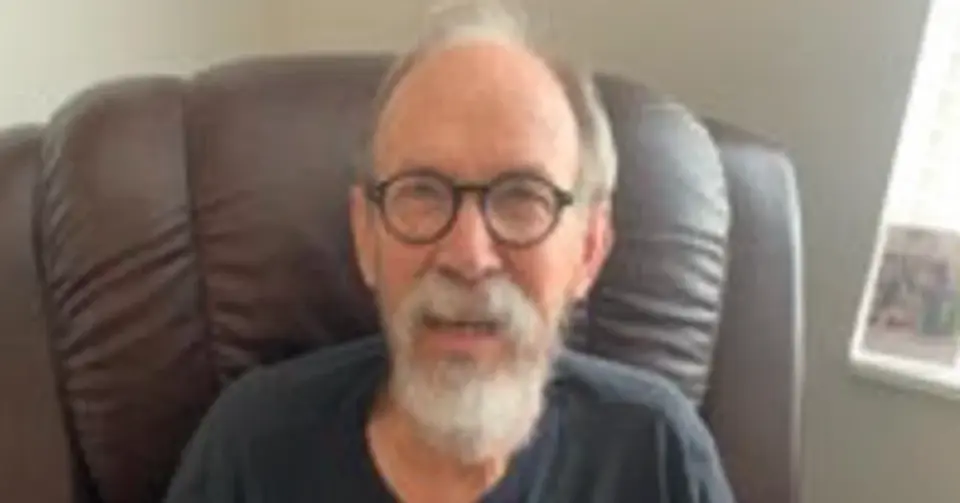
Lucinda Myles McCray, a historian, details how she became the primary caretaker for her ex-husband, Lee, after his 2019 diagnosis with Parkinson’s disease and Lewy body dementia. Despite a painful 2010 divorce and years of estrangement, McCray stepped in when Lee’s girlfriend could no longer provide care. She managed his medical needs, cleared his cluttered home, and facilitated a family reunion among their four sons. Lee died in February 2026, with McCray describing their final relationship as that of 'dear old friends' who remained connected through shared history.
Key points
- McCray and Lee married in 1978 and divorced in 2010 after 32 years, with their four sons born between 1980 and 1983.
- Lee was diagnosed with Parkinson’s disease and Lewy body dementia in 2019, shortly before his 78th birthday.
- McCray relocated from Wyoming to Minneapolis in March 2020 to assist with care and support grandchildren during the pandemic.
- She managed his transition to a memory care facility and acted as his medical advocate and family communicator.
- Lee died in February 2026, with his eldest son present; McCray organized his 'celebration of life' in May 2026.
- The caregiving process helped reconcile McCray with Lee’s sons and healed some fractures from the divorce.
Background
This personal account highlights the complex dynamics of post-divorce caregiving, a theme occasionally explored in cultural discussions about domestic labor and aging, such as the recent viral film 'Wicker' which critiques societal expectations of care. It also resonates with recent memoirs, like Willie Nelson’s 'The Last Leaf,' which detail the intense physical and emotional toll of end-of-life crises on spouses and partners.
Why it matters
The story illustrates the often-unrecognized role of former spouses in elder care, particularly for those with progressive neurodegenerative diseases. It highlights how shared history can bridge estrangement, providing a unique form of support that current partners or children may not fully replicate. It also underscores the physical and emotional labor involved in managing conditions like Lewy body dementia, where long-term memory often outlasts cognitive and physical function.
What to watch
McCray has returned to her life in Minneapolis, continuing to grieve a loss she describes as spanning decades. The narrative serves as a public reflection on the enduring bonds of marriage beyond legal dissolution, potentially influencing discussions on family support systems for the elderly.
Want the full story? Read the original reporting
Read on HuffPost