
Global Review Links High Screen Time to Child Development Risks Comparable to Premature Birth
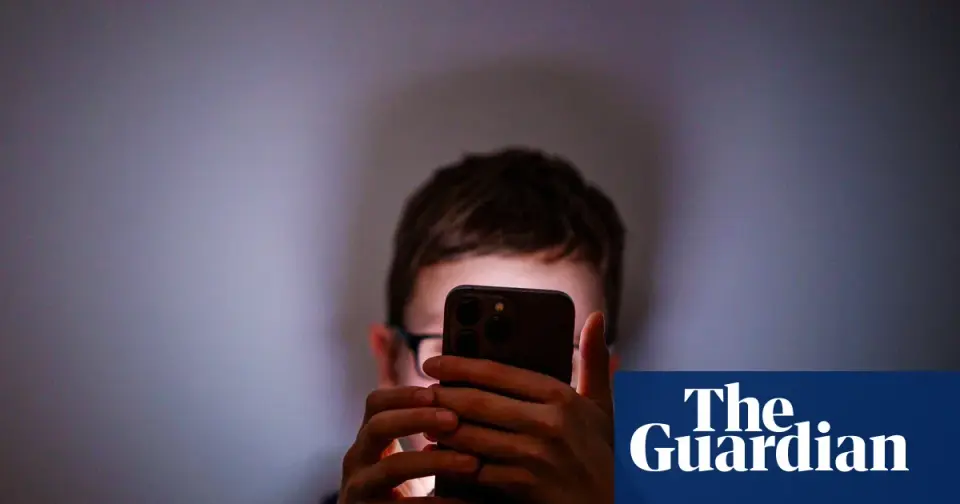
A massive umbrella review involving over 2.8 million children across 64 countries finds that high screen time is associated with lower academic achievement, poorer language development, and increased mental health issues. Published in JAMA Pediatrics, the study led by the University of Calgary notes these effects are comparable to or larger than those of parental behavior and premature birth. However, experts caution that the study cannot distinguish between different types of screen use or prove causation, and some argue the findings do not support the idea that screens are the primary cause of adolescent distress.
Key points
- The study analyzed data from over 2.8 million children in 64 countries, making it one of the largest ever on the subject.
- Higher screen use was linked to lower overall academic grades and poorer language development, though specific subjects like math and reading showed less clear links due to limited data.
- Increased screen time correlated with higher rates of internalizing behaviors (depression, anxiety) and externalizing behaviors (aggression, ADHD symptoms).
- The effect sizes for screen time were found to be similar in magnitude to or larger than those for socioeconomic status, parenting behavior, and preterm birth.
- The study used an 'umbrella review' method, summarizing results from previous large reviews rather than collecting new primary data.
Background
This finding contrasts with a Finnish study from August 2026, which suggested that higher cumulative screen time was linked to better cognitive performance in teens, emphasizing the importance of active engagement over mere hours. Additionally, a recent Chinese study highlighted learning penalties associated with AI use, while practical guides have emerged offering strategies for parents to limit device usage. The current study adds to the ongoing debate about the nuanced impact of digital exposure on youth.
How outlets are covering it
The Guardian and The Independent both highlight the scale of the study and its comparison to other major developmental factors. However, The Guardian emphasizes the caution from experts like Tatiana Íñiguez Berrozpe and Esther van Sluijs, who argue the study cannot isolate specific types of screen use or prove causation. The Independent focuses on the broad impact on wellbeing. UKNow, while not covering this specific study, provides a related perspective on the physical and visual impacts of screen time, such as myopia and eye strain, recommending practical limits and outdoor time. The Telegraph source was inaccessible due to a security block, so its perspective could not be synthesized.
Why it matters
This study provides a significant data point in the ongoing debate about digital media's impact on children. By comparing screen time to established risk factors like premature birth, it underscores the potential severity of the issue. However, the lack of differentiation between screen types means parents and policymakers must be cautious in interpreting the results, as not all screen use is equally harmful or beneficial.
What to watch
Researchers call for intervention studies to clarify causal effects and to differentiate between various types of screen use. Parents and educators may look to implement practical limits and encourage active, educational screen activities. Further studies may explore the specific impacts of gaming, social media, and streaming on different developmental domains.
- High screen time can hurt children’s learning and language skills, study suggests The Guardian
- Screen time ‘damages children more than being born into poverty’ The Telegraph
- Large global study reveals impact of screen time on children’s wellbeing independent.co.uk
- More screen time linked to poorer child development, study finds The Times
- Keep kids’ vision in focus with screen-time balance UKNow
Want the full story? Read the original reporting
Read on The Guardian