
UK surgeons use AI to safely remove brain tumour, saving patient's sight
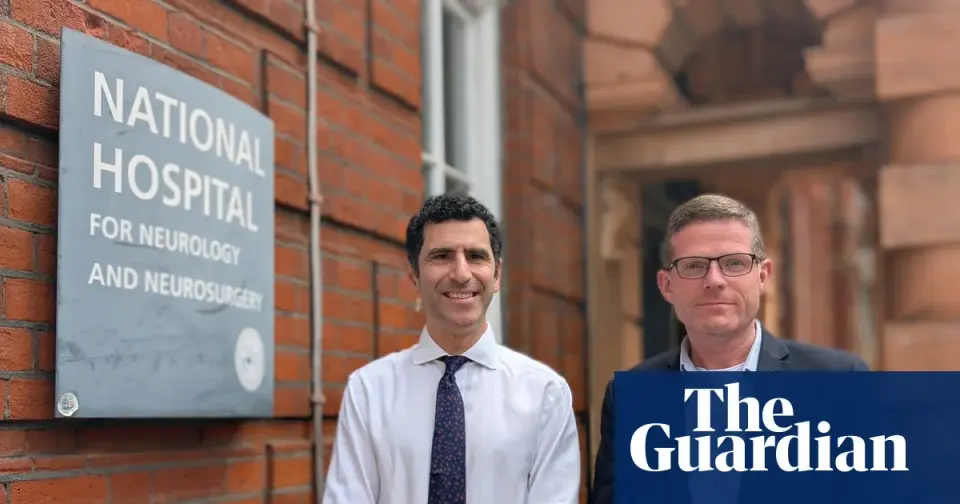
In May 2026, neurosurgeons at the National Hospital for Neurology and Neurosurgery in London successfully removed an 11mm pituitary gland tumour from Rhys Hibbert using real-time AI assistance. The system, developed by UCL, analyzed live surgical footage to color-code critical nerves and blood vessels, helping surgeons avoid damaging structures. Hibbert, 48, regained full vision and returned to work, marking the first clinical use of this AI tool in the UK.
Key points
- The operation took place in May 2026 at the National Hospital for Neurology and Neurosurgery (NHNN) in London, part of University College London Hospitals.
- The AI system analyzed live video feeds during surgery to identify and color-code critical anatomy, such as nerves and blood vessels, near the tumour.
- Rhys Hibbert, a 48-year-old customer service manager from Bedfordshire, was diagnosed in 2024 with a non-cancerous tumour that threatened his vision.
- The surgery was funded by the National Institute for Health and Care Research (NIHR) and Google, with the AI tool developed in-house at the UCL Hawkes Institute.
- Hibbert recovered fully, regaining his sight within weeks and returning to work, with no major complications reported.
Background
This development follows earlier UK trials of AI-assisted surgery, including a 3D exoscope used in Scotland in July 2026 and a similar AI tool for bowel surgery at St Mark’s Hospital in summer 2026. These precedents highlight a growing trend in the NHS to integrate AI for real-time anatomical guidance during complex procedures.
How outlets are covering it
The Guardian and BBC emphasize the success of the surgery and the patient’s recovery, highlighting the AI’s role in preventing blindness. The Independent focuses on the technological innovation and the potential for a 'surgical ChatGPT' to assist surgeons. LBC notes the broader context of AI adoption in UK hospitals, including recent trials in bowel surgery. All sources agree on the safety and efficacy of the procedure, but differ in emphasis: The Guardian and BBC focus on patient outcomes, while The Independent and LBC highlight the technological and institutional implications.
Why it matters
This case demonstrates the potential of AI to enhance precision in high-risk surgeries, particularly in areas with complex anatomy. It may reduce complication rates and improve patient outcomes, setting a precedent for broader adoption of AI-assisted surgery in the NHS and beyond.
What to watch
The team is planning a larger clinical trial to further evaluate the AI tool’s effectiveness. If successful, this technology could be integrated into routine neurosurgical procedures across the UK, potentially reducing risks and improving patient safety.
- London neurosurgeons perform first successful AI-assisted operation to remove brain tumour The Guardian
- First patient to have brain surgery with real-time AI assistance BBC
- UK patient’s sight saved in world’s first live AI-assisted brain surgery The Independent
- Man, 48, becomes first in the world to undergo AI-assisted brain surgery lbc.co.uk
Want the full story? Read the original reporting
Read on The Guardian