
Swedish Trial Finds Depression Game Boosts Medication Adherence and Symptom Relief
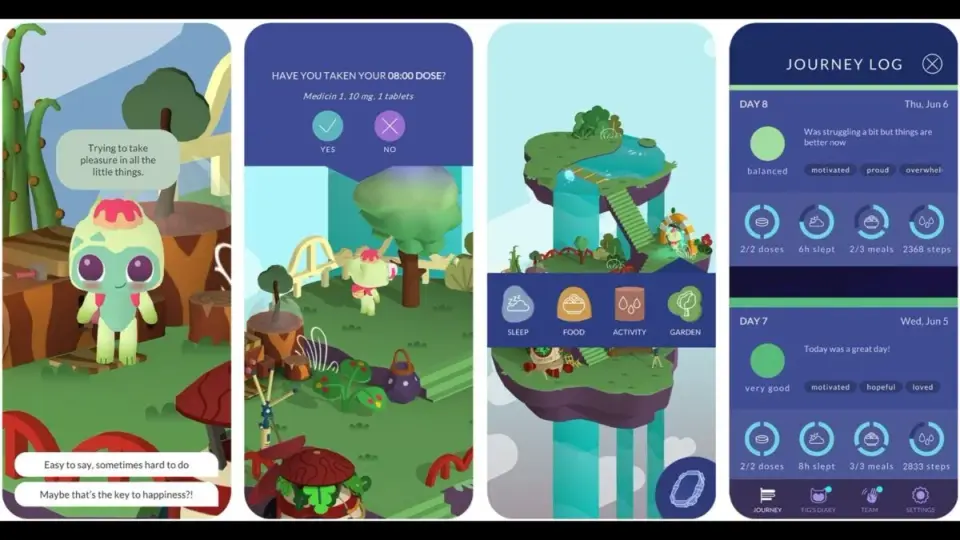
A nine-week trial in Sweden found that a video game app called Fig, designed to support depression treatment, led to significantly greater symptom reduction and higher medication adherence compared to standard care alone. While results are promising, researchers caution that the study had limitations, including high dropout rates and a lack of active control groups, meaning the findings are currently considered preliminary.
Key points
- The app, developed by Mindforce Game Lab, uses a virtual character to reward users for healthy habits like sleep, eating, and taking antidepressants.
- In a trial of 148 adults already on antidepressants, 51% of those playing Fig saw at least a 30% reduction in depressive symptoms, compared to 19% of the control group.
- The game includes 25 optional modules based on cognitive-behavioral therapy and offers on-demand messaging with a therapist.
- Participants were instructed to play the game in short sessions twice daily for the duration of the nine-week study.
- The app is available on iOS and Android with a 14-day free trial, followed by a monthly subscription fee of $7.99.
Background
This story builds on the growing trend of digital therapeutics, where video games and apps are used as adjuncts to traditional medical treatments. Previous archive articles may have covered other gamified health interventions, but this is the first report on Mindforce Game Lab's specific product, Fig, and its clinical trial results published in the Journal of Affective Disorders.
Why it matters
The study suggests that gamification can improve adherence to existing depression treatments, potentially helping patients manage residual symptoms. However, the high cost and preliminary nature of the evidence mean it is not yet a proven standalone solution, but rather a potential supplement to standard care.
What to watch
Researchers emphasize the need for further trials with active comparators to confirm the specific benefits of the game. The app is currently available for purchase, and future studies will likely aim to address the limitations of the current open-label trial, such as the high dropout rate among participants.
Want the full story? Read the original reporting
Read on Gizmodo