
Experts urge travelers to prioritize electrolytes and protein to combat flight-induced dehydration
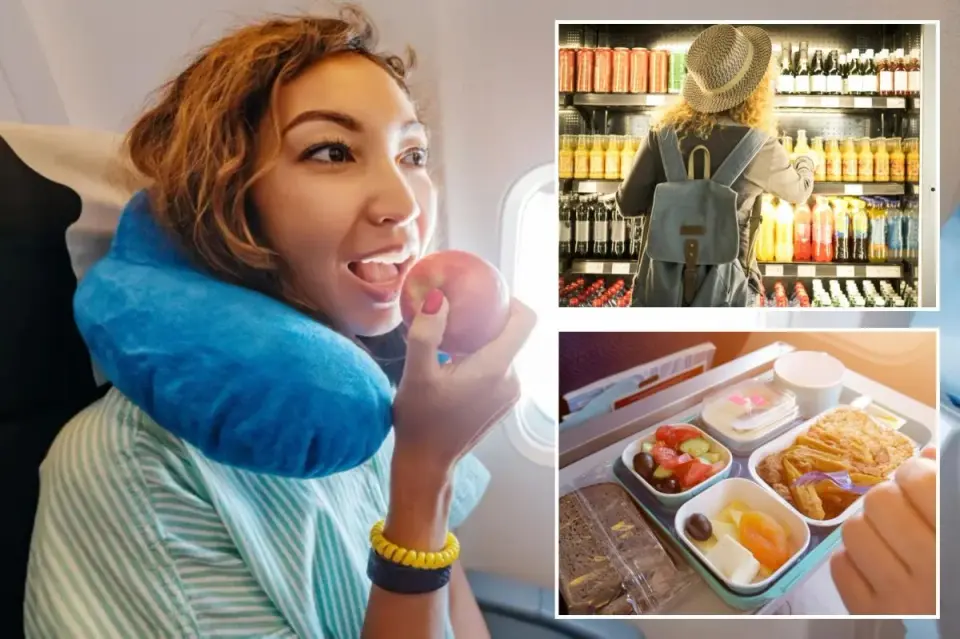
Health experts advise air travelers to proactively hydrate and consume electrolytes to counteract the dehydrating effects of low cabin humidity. While water is essential, experts emphasize that electrolytes are necessary for the body to retain fluids. Travelers are encouraged to avoid alcohol, carbonated drinks, and high-sodium foods, opting instead for water-rich produce and protein-forward snacks to maintain energy and prevent bloating.
Key points
- Cabin air is significantly drier than normal, making dehydration a primary concern that can lead to headaches, fatigue, and muscle cramps.
- Experts recommend drinking water before, during, and after flights, but stress that electrolytes are required to help the body absorb and retain that water.
- Alcohol and excessive caffeine are discouraged as they exacerbate dehydration and can cause electrolyte imbalances.
- Carbonated beverages are advised against because reduced cabin pressure causes gas to expand, worsening bloating and digestive discomfort.
- Nutritionists suggest eating smaller, lighter meals and avoiding high-sodium or ultra-processed foods to prevent temporary bloating and energy crashes.
Background
This advice aligns with earlier reports from our archive regarding the physiological stresses of air travel. Previous coverage highlighted that cabin pressurization and low humidity can thicken blood and increase the risk of clots, reinforcing the critical need for consistent hydration. Additionally, past guidance on travel health emphasized the importance of packing electrolyte packets and maintaining fluid intake to manage various travel-related health issues, including gastrointestinal distress.
How outlets are covering it
The New York Post and Fox News provide nearly identical coverage, citing the same experts, including Lindsay Baker of the Gatorade Sports Science Institute and Stephanie Smith of Agora Health. Both outlets emphasize the necessity of electrolytes alongside water and recommend specific foods like bananas and spinach. The Tallahassee Democrat offers a broader perspective on vacation health, focusing on general physical activity and balanced meals rather than specific flight physiology, though it echoes the advice to carry reusable water bottles. Hindustan Times features fitness coach Raj Ganpath, who provides a specific hydration metric of 30 ml per kilogram of body weight and strongly advises limiting alcohol to prevent poor sleep and dehydration, a point less emphasized in the US-based sources.
Why it matters
Understanding the specific physiological impacts of air travel allows passengers to make informed dietary choices that mitigate common discomforts. By prioritizing proper hydration and nutrient balance, travelers can reduce the risk of severe dehydration, digestive issues, and fatigue, leading to a more comfortable and healthy travel experience.
What to watch
Travelers are encouraged to implement these nutrition strategies immediately for upcoming trips. This includes preparing a balanced meal before departure, packing a refillable water bottle, and selecting snacks that combine protein with fiber to maintain steady energy levels throughout the journey.
- Air travelers can avoid dehydration with these tips from health experts New York Post
- The biggest food and drink mistakes travelers make on flights, experts warn Fox News
- Simple ways to recharge, refresh and live healthy on summer vacation Tallahassee Democrat
- We Asked 3 Dietitians What They Eat When They Travel—Here’s What They Always Pack Real Simple
- Going on a vacation? Fitness coach Raj Ganpath shares 5 simple strategies to stay fit and in shape while travelling Hindustan Times
Want the full story? Read the original reporting
Read on New York Post