Tag

Dehydration

All articles tagged with #dehydration

Ten Triggers Behind Faintness and Lightheadedness, Explained
health9 days ago

Ten Triggers Behind Faintness and Lightheadedness, Explained

Doctors outline 10 common causes of fainting or lightheadedness—dehydration (often from heat or illness), surprise triggers, standing up quickly (orthostatic hypotension), abnormal heart rhythms, heart valve problems, medication side effects, low blood sugar, flu-related dehydration or reduced intake, stroke, and Postural Orthostatic Tachycardia Syndrome (POTS)—and offer practical tips to stay hydrated and nourished, plus guidance on when to seek medical or urgent care.

NJ Sees Rotavirus Rise in Kids, Vaccination Urged
health-and-fitness1 month ago

NJ Sees Rotavirus Rise in Kids, Vaccination Urged

Rotavirus activity is elevated across New Jersey and Region 2, causing vomiting and diarrhea in young children and raising dehydration and hospitalization risk; CDC data show 9.6% of rotavirus tests were positive in the Northeast for the week ending April 11, with Region 2 recently easing from earlier peaks, while wastewater data indicate rising rates in the Midwest and West. Vaccination remains the most effective protection (85–98% against severe illness), but overall vaccine uptake has slipped to about 74% of U.S. children by 8 months. The rise occurs amid vaccine-policy debates and lawsuits over changes to immunization schedules; health officials urge vaccination and seeking medical care for signs of dehydration.

Sock Marks on Your Legs: What They Could Really Say About Your Health
wellness1 month ago

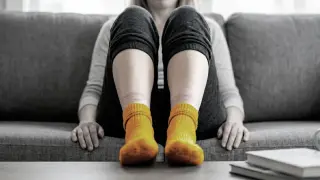
Sock Marks on Your Legs: What They Could Really Say About Your Health

Many people notice indentations on their legs after wearing socks, which are usually harmless. However, persistent or asymmetrical sock marks—especially with swelling, heaviness, or additional symptoms—can signal health issues ranging from dehydration and fluid shifts to venous problems, and in rare cases kidney disease or heart failure. Practical steps include wearing properly fitting or compression socks, elevating the legs, staying hydrated, and reducing salt intake. See a doctor if marks worsen, are unilateral, or coincide with shortness of breath or significant leg swelling.

Rotavirus Surge in U.S. Linked to Vaccination Decline, Hospitalizations Rise
health1 month ago

Rotavirus Surge in U.S. Linked to Vaccination Decline, Hospitalizations Rise

Rotavirus infections have surged in the U.S. since January, causing severe dehydration and rising hospitalizations among young children even as vaccines like RotaTeq prevent tens of thousands of hospitalizations annually; vaccination rates have fallen to about 73.8%, fueling concerns that lower immunity could worsen illness, and experts emphasize that prevention relies on vaccination and good hygiene while treatment remains supportive (fluids). Wastewater surveillance shows high virus levels in several regions, underscoring community spread.

Quiet Dehydration May Amplify Cortisol During Stress, Study Finds
health2 months ago

Quiet Dehydration May Amplify Cortisol During Stress, Study Finds

A Liverpool John Moores University study published in the Journal of Applied Physiology shows that healthy adults who drink less than 1.5 liters a day have about a 50% higher cortisol rise during a standardized stress test, likely due to vasopressin; thirst signals are unreliable in busy moments, so monitoring urine color and maintaining consistent hydration—around 1.5–2.5 liters daily, adjusted by sex and health—may blunt cortisol spikes and support stress resilience, though hydration doesn’t replace mental health treatment.

Norovirus 101: symptoms, care tips, and stopping its spread
health3 months ago

Norovirus 101: symptoms, care tips, and stopping its spread

Norovirus is mainly spread through contaminated food or water and typically causes sudden vomiting and diarrhea 12–48 hours after exposure, with dehydration a common risk. There are no antivirals or effective antibiotics; management focuses on rest, plenty of fluids, and gradually reintroducing foods as you feel better (BRAT is a common guideline but not mandatory). Avoid alcohol and dairy if lactose intolerance occurs. Since hand sanitizers are less effective, wash hands with soap and water for at least 20 seconds, and be aware the virus can remain contagious for up to two weeks, especially for young children, older adults, or immunocompromised individuals.

Top 5 Hangover Myths Debunked by Experts
health5 months ago

Top 5 Hangover Myths Debunked by Experts

Most popular hangover remedies like 'hair of the dog,' greasy breakfasts, coffee, supplements, and exercise are ineffective because they don't address the body's actual process of metabolizing alcohol. Experts recommend hydration, rest, and balanced meals for recovery, and emphasize that the best way to avoid hangovers is to drink less and stay within safe limits.

Research Warns Against Extreme Temperatures for Kidney Disease Patients
health5 months ago

Research Warns Against Extreme Temperatures for Kidney Disease Patients

Research shows that climate change-induced extreme heat and cold contribute to the rise in chronic kidney disease (CKD) globally, with dehydration from temperature extremes damaging kidneys. CKD affects over 788 million people worldwide, with key risk factors including high salt diets, high blood pressure, obesity, and non-optimal temperatures. Greater prevention, screening, and accessible treatments are needed to address this growing health issue.

Expert Tips to Avoid Common Mistakes and Side Effects of GLP-1 Medications
health7 months ago

Expert Tips to Avoid Common Mistakes and Side Effects of GLP-1 Medications

GLP-1 medications like Ozempic and Wegovy are effective for weight loss and health benefits but can cause side effects such as gastrointestinal issues, dehydration, and more serious risks like pancreatitis and gallstones. Proper management includes staying hydrated, monitoring symptoms, and consulting doctors for persistent or severe side effects, while being aware of the unknown long-term risks.