
Grandparenthood Linked to Slower Cognitive Decline and Lower Dementia Risk
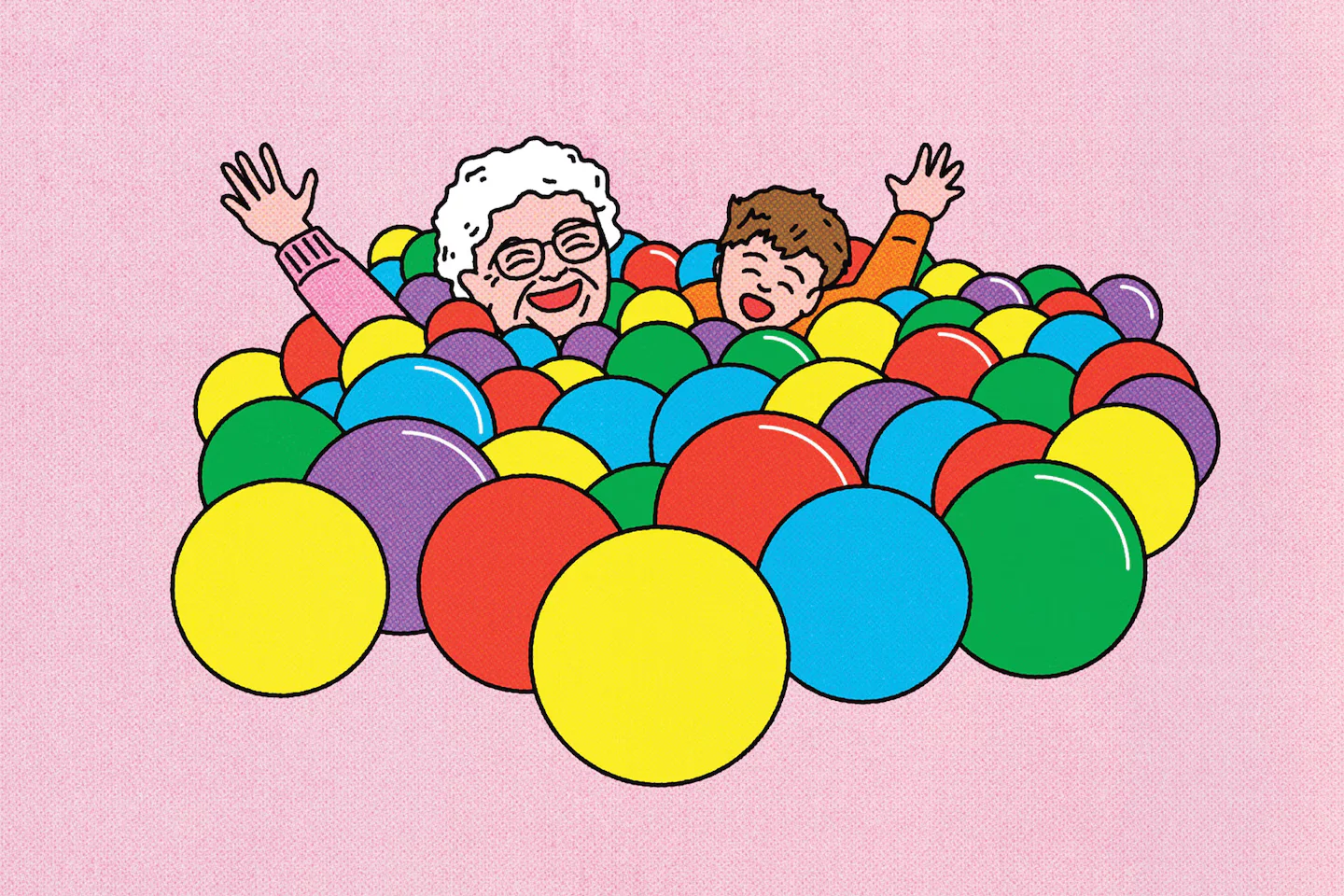
New evidence suggests that caring for grandchildren may act as a protective factor against cognitive decline. Research indicates that grandparents who actively engage in caregiving show better verbal fluency and episodic memory compared to non-caregiving peers. The benefits appear to vary by gender and the intensity of involvement, with grandmothers and grandfathers experiencing different cognitive outcomes. While these findings are associational rather than causal, they highlight the potential neurological benefits of social engagement and purpose in later life.
Key points
- Active grandparenthood is associated with a lower risk of dementia and slower cognitive decline.
- Caregiving grandparents demonstrated superior performance in verbal fluency and episodic memory tests.
- The cognitive benefits differ between grandmothers and grandfathers, likely due to varying levels of caregiving intensity.
- The findings suggest that the social and emotional demands of grandparenthood may help maintain brain health during aging.
- Researchers emphasize that the data shows correlation, not causation, and call for further studies to understand the mechanisms.
Background
This finding aligns with broader research on lifestyle factors influencing brain health. Recent studies have linked Western diets and fluctuating cortisol levels to faster cognitive decline in older adults, particularly those with genetic risk factors like APOE ε4. While those studies highlight risks associated with diet and stress, the current research on grandparenthood suggests that positive social roles and active engagement may serve as protective counterbalances to these biological and environmental stressors.
Why it matters
Understanding the link between grandparenthood and brain health offers a non-pharmacological strategy for maintaining cognitive function in older adults. As populations age, identifying lifestyle factors that reduce dementia risk is crucial for public health. If active caregiving truly slows cognitive decline, it could encourage intergenerational support systems that benefit both grandparents and grandchildren, while potentially reducing the societal burden of dementia care.
What to watch
Researchers will likely conduct longitudinal studies to determine if the cognitive benefits of grandparenthood are causal or merely correlational. Future work may explore specific caregiving activities that yield the greatest neurological benefits and whether these effects can be replicated in non-grandparent populations through other forms of social engagement or purpose-driven activities.
Want the full story? Read the original reporting
Read on The Washington Post