Tag

Brain Science

All articles tagged with #brain science

Retirement linked to faster cognitive decline, but new routines can help protect the brain
health20 days ago

Retirement linked to faster cognitive decline, but new routines can help protect the brain

Research indicates that the transition to retirement often leads to reduced mental stimulation and social interaction, which may accelerate cognitive decline and increase dementia risk. While the average American retires at 61, spending roughly 23% of their life in this phase, experts note that maintaining active routines can mitigate these effects. The impact varies based on the type of job left, the voluntariness of the retirement, and individual social structures, with some studies suggesting men may face greater cognitive risks than women due to stronger identity ties to work.


Study Links Near-Death Tunnel Visions to Colorless Geometry
science25 days ago

Study Links Near-Death Tunnel Visions to Colorless Geometry

A new study involving 50 individuals who reported near-death experiences reveals a consistent link between the geometric shape of perceived spaces and their color. Researchers found that tunnel-like structures were predominantly colorless, while broader, curved spaces were associated with vivid colors. This visual mapping approach suggests that these experiences may follow predictable perceptual patterns rather than being entirely random, offering potential insights into brain activity during life-threatening events.

Grandparenthood Linked to Slower Cognitive Decline and Lower Dementia Risk
health-and-well-being2 months ago

Grandparenthood Linked to Slower Cognitive Decline and Lower Dementia Risk

New evidence suggests that caring for grandchildren may act as a protective factor against cognitive decline. Research indicates that grandparents who actively engage in caregiving show better verbal fluency and episodic memory compared to non-caregiving peers. The benefits appear to vary by gender and the intensity of involvement, with grandmothers and grandfathers experiencing different cognitive outcomes. While these findings are associational rather than causal, they highlight the potential neurological benefits of social engagement and purpose in later life.

Fast walkers in their 80s show half the risk of cognitive decline, new study finds
health3 months ago

Fast walkers in their 80s show half the risk of cognitive decline, new study finds

A new study published in Neurology identifies 'super movers'—adults aged 80 and older who walk significantly faster than their peers—as having roughly half the risk of developing cognitive impairment. The research, which analyzed nearly 4,000 participants, suggests that maintaining high physical function in old age is a marker of healthy brain aging. While the study does not prove that walking faster causes better brain health, it highlights a strong association between mobility and cognitive resilience. Experts note that while causality is unclear, increasing physical activity, even modestly, can improve brain health for most people.

Brain-Driven Pain Relief: A Psychiatrist's Natural Healing Path
health4 months ago

Brain-Driven Pain Relief: A Psychiatrist's Natural Healing Path

A psychiatrist argues that chronic pain is processed in the brain, not just tissue damage, and promotes a natural, brain- and mind-based program before considering surgery. He notes MRIs can be misleading, links depression and repressed emotions to pain amplification, and recommends renewing the mind—anchored in scripture—along with sleep, exercise, and mindful supplements to reduce pain and potentially avoid surgery.

Neuroscience Explains Why NFL Players Miss Goal Line Opportunities
sports1 year ago

Neuroscience Explains Why NFL Players Miss Goal Line Opportunities

The article explains that NFL players dropping the ball before crossing the goal line is due to involuntary neurological responses, specifically a multitasking deficit and bottom-up reactions triggered by stimuli like the sight of the end zone, rather than simple carelessness. Experts highlight that these errors are rooted in the brain's focus narrowing and activation of competing goals, and emphasize the importance of understanding and compassion over blame.

Rethinking ADHD: From Disorder to Diverse Normalcy
health2 years ago

Rethinking ADHD: From Disorder to Diverse Normalcy

The podcast discusses the rising diagnoses of ADHD and challenges the traditional view of it as a brain dysfunction requiring treatment. Instead, some experts suggest ADHD may be part of the neurodiversity spectrum, representing a different way of being normal. The episode explores the scientific basis for this perspective and its potential implications for managing ADHD.

"Insights on Consciousness from Neuroscientist Christof Koch"
science2 years ago

"Insights on Consciousness from Neuroscientist Christof Koch"

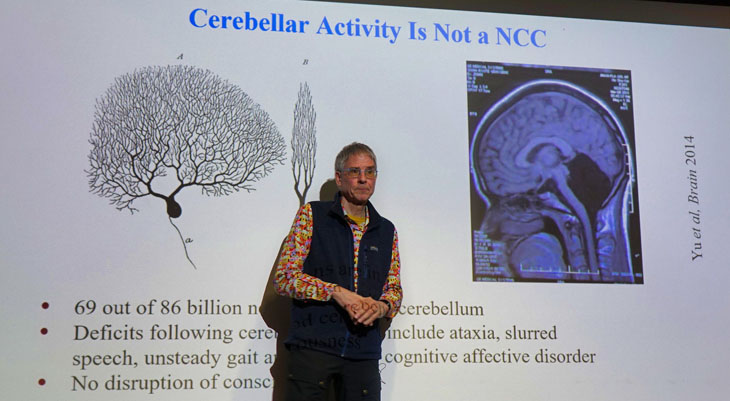
Famed neuroscientist Christof Koch spoke at UC Santa Barbara about consciousness, emphasizing the challenges of studying it and the importance of Integrated Information Theory (IIT). He discussed the neural correlates of consciousness, the hard problem of consciousness, and the limitations of functionalism. Koch also highlighted the potential of psychedelics in understanding consciousness and his interest in their therapeutic value, rapid impact on conscious experience, and potential to reveal truths about existence.

"Tuning Out Distractions: The Brain's Intelligence and Focus"
neuroscience2 years ago

"Tuning Out Distractions: The Brain's Intelligence and Focus"

Researchers at Brown University's Carney Institute for Brain Science have uncovered the brain's ability to separately control the enhancement of relevant information and the filtering out of distractions, akin to coordinating muscles for physical tasks. Using functional magnetic resonance imaging (fMRI), they found that the anterior cingulate cortex and the intraparietal sulcus work together to adjust focus and filter settings, shedding light on human attention flexibility and potential implications for attention-related disorders like ADHD. This breakthrough offers new insights into how the brain manages to focus in noisy environments and provides a deeper understanding of attention mechanisms.

"The Intricate Brain: Understanding Focus and Intelligence"
neuroscience2 years ago

"The Intricate Brain: Understanding Focus and Intelligence"

A new study by researchers at Brown University's Carney Institute for Brain Science provides detailed insights into the brain mechanisms that help people pay attention amid distraction, revealing the intricate process by which the brain coordinates focusing and filtering functions. Lead author Harrison Ritz likened this coordination to the way muscles work together for physical tasks. The findings offer insight into cognitive flexibility and attention-related disorders, such as ADHD, challenging the misconception that lack of focus equates to lack of intelligence. Ongoing research projects are exploring focus-and-filter strategies in patients with treatment-resistant depression and the impact of financial incentives on attention.

"Insights from Peacemakers: Expert Advice for Conflict Resolution"
psychology3 years ago

"Insights from Peacemakers: Expert Advice for Conflict Resolution"

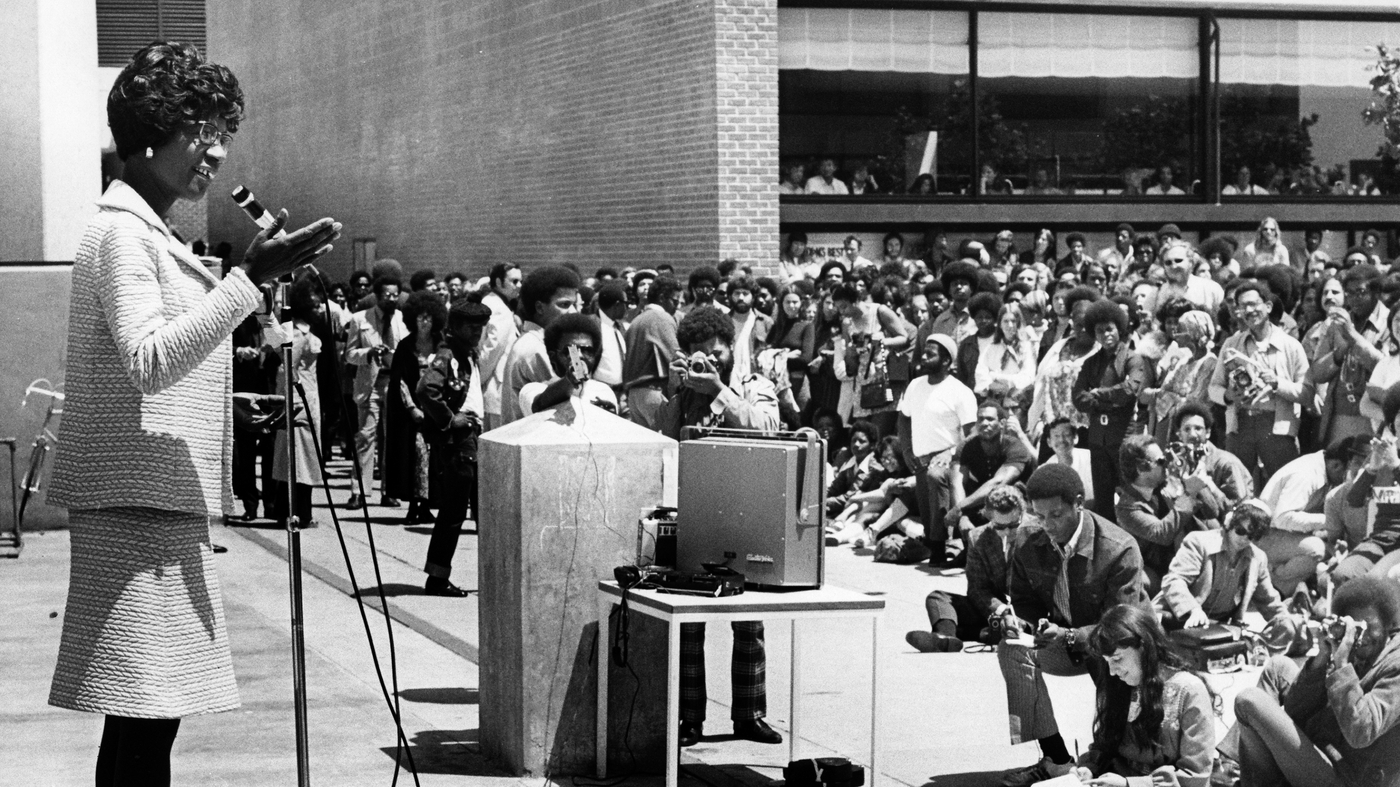
Scientists studying conflict and human behavior emphasize the importance of understanding the biology behind toxic interactions. Humans are wired to form strong bonds with groups that can help them survive, leading to empathy for those within their group and less empathy for adversaries. Conflict dampens the brain's ability to feel love. Lessons from peacemakers like Nelson Mandela and Shirley Chisholm show that diffusing conflicts requires recognizing the humanity of opponents and respecting their sacred values. By emotionally disarming the opposition and neutralizing assumptions of negative intent, adversaries can come together and change history. On a smaller scale, these approaches can also repair damaged friendships. Taking "microbreaks" and reducing stress can help regain perspective and handle conflict better.

Unveiling the Neural Basis of Consciousness: Insights from Brain Scans
neuroscience3 years ago

Unveiling the Neural Basis of Consciousness: Insights from Brain Scans

Neuroscientists from the Hebrew University of Jerusalem and the University of California, Berkeley, have identified the region of the brain where sustained visual images are retained during perception. The study focused on patients with unilateral neglect, a condition where stroke victims lose conscious awareness of half of what their eyes perceive. The researchers found that the visual areas of the brain retain information about the percept at a low level of activity for much longer than previously thought. This sustained pattern of neural activity suggests a neural basis for stable perception over time. The findings could have implications for understanding consciousness and developing treatments for disorders of consciousness.